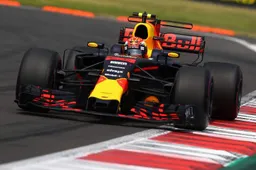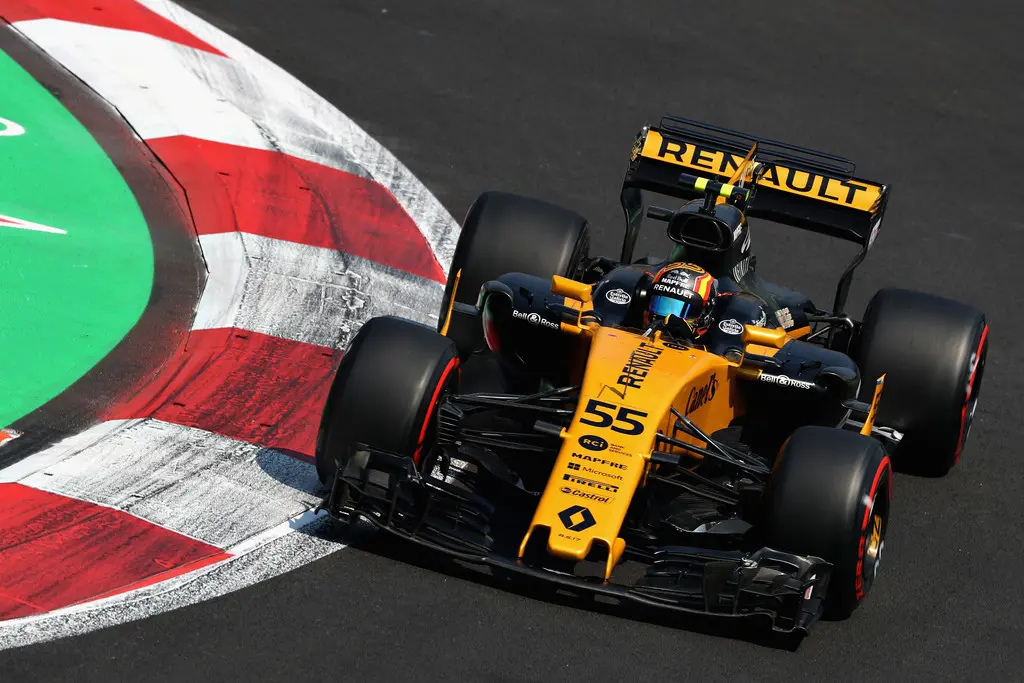
Renault preview the Brazilian Grand Prix, Round 19 of the 2017 Formula 1 World Championship, at Autódromo José Carlos Pace (aka Interlagos) in São Paulo.
Foreword from Renault Sport Racing Managing Director, Cyril Abiteboul: "In the wake of challenging back-to-back races for the team, the Brazilian Grand Prix is already looming. Interlagos is a legendary circuit that often makes for an unpredictable race in front of many excited fans. The weather often plays an important role, but come rain or shine, we are confident in the positive qualities of both our drivers and the R.S.17. The enthusiasm of the fans is always enjoyable to see and hear; in so many regards it is a very fine Grand Prix."
"For its part, the Mexican Grand Prix was particularly difficult with a number of unacceptable mechanical problems and we have the clear intention to take fast and strong measures. The particularities of Mexico accentuated our weaknesses, but clearly we have not been successful in balancing performance and reliability."
"The performance of our engine has progressed a lot this year as the results in the race attest; we now have to find reliability, for both us and our customers, even if Max won magnificently in Mexico."
"The team remains confident and united, which is essential to maintain progress to the end of the season, and also for our preparations for 2018. We have the means; our organisation is stable, robust and competent."
"This season we set ourselves the goal of fifth in the Constructors’ Championship. Whilst achieving this is still mathematically possible, it is now a tall order after a race where we didn’t score points."
"Mexico highlighted our performance potential. Both cars sadly retired, however the two cars reached Q3 and lined up seventh and eighth on the grid and were in fourth and fifth at the end of the first lap. Points were clearly within our reach."
"There are now two Grands Prix remaining. We will do everything we can to be sixth at the end of the weekend."
Against the clock
"For its part, the Mexican Grand Prix was particularly difficult with a number of unacceptable mechanical problems and we have the clear intention to take fast and strong measures. The particularities of Mexico accentuated our weaknesses, but clearly we have not been successful in balancing performance and reliability."
"The performance of our engine has progressed a lot this year as the results in the race attest; we now have to find reliability, for both us and our customers, even if Max won magnificently in Mexico."
"The team remains confident and united, which is essential to maintain progress to the end of the season, and also for our preparations for 2018. We have the means; our organisation is stable, robust and competent."
"This season we set ourselves the goal of fifth in the Constructors’ Championship. Whilst achieving this is still mathematically possible, it is now a tall order after a race where we didn’t score points."
"Mexico highlighted our performance potential. Both cars sadly retired, however the two cars reached Q3 and lined up seventh and eighth on the grid and were in fourth and fifth at the end of the first lap. Points were clearly within our reach."
"There are now two Grands Prix remaining. We will do everything we can to be sixth at the end of the weekend."
Against the clock
After a Mexican Grand Prix which fell short of expectations, the team have a point to prove at Interlagos, one of Formula 1’s most popular circuits, explains Technical Director Nick Chester
What are the main challenges of Interlagos?
It’s a track with three interesting and contrasting sectors. The first sector is fairly quick with medium to high speed corners and a short straight which enables DRS overtaking opportunities. The middle sector is very twisty, which should play to the strengths of the R.S.17 pretty well. The lap is capped-off with a big drag up the hill and the long straight. It’s an interesting layout sat at a relatively high altitude. Both drivers should perform well there in the R.S.17.
It’s a track with three interesting and contrasting sectors. The first sector is fairly quick with medium to high speed corners and a short straight which enables DRS overtaking opportunities. The middle sector is very twisty, which should play to the strengths of the R.S.17 pretty well. The lap is capped-off with a big drag up the hill and the long straight. It’s an interesting layout sat at a relatively high altitude. Both drivers should perform well there in the R.S.17.
Interlagos was once the highest on the calendar, is it still a challenge after the giddy heights of Mexico?
Despite the reasonably high altitude of São Paulo, Mexico City trounces it. Instead of being 25% down on air density as we are in Mexico, we’ll be down only by around 10% which is much, much easier to manage. We’re not expecting too many dramas to control temperatures and there will be a range of set-ups for us to try out. It’s not a full downforce track like Monaco or Hungary but there are a range of aero set-ups for us to try.
Despite the reasonably high altitude of São Paulo, Mexico City trounces it. Instead of being 25% down on air density as we are in Mexico, we’ll be down only by around 10% which is much, much easier to manage. We’re not expecting too many dramas to control temperatures and there will be a range of set-ups for us to try out. It’s not a full downforce track like Monaco or Hungary but there are a range of aero set-ups for us to try.
Dare we mention the weather?
The weather can be quite exciting there and is always a bit of an uncertainty. Notably, there have been four wet races in the past nine years at Interlagos. We haven’t had many wet races this year, so certainly there’s some scope for interest. We’ll be well prepared for any eventuality.
The weather can be quite exciting there and is always a bit of an uncertainty. Notably, there have been four wet races in the past nine years at Interlagos. We haven’t had many wet races this year, so certainly there’s some scope for interest. We’ll be well prepared for any eventuality.
What are your thoughts on Carlos’s first two races with the team?
Carlos has been very good. He had a fantastic race in Austin, he works with the team brilliantly, qualifies well and I think he’s done a great job so far. Mexico was tricky with low grip, particularly in the wake of other cars, which led to the spin in the race.
Carlos has been very good. He had a fantastic race in Austin, he works with the team brilliantly, qualifies well and I think he’s done a great job so far. Mexico was tricky with low grip, particularly in the wake of other cars, which led to the spin in the race.
How’s progress with next year’s car?
We’re making strong progress at Enstone and it’s where our focus lies. It’s a completely new car despite a relatively low number of regulation changes. We’ve learnt a lot on the aerodynamic package and the balance of a car built to 2017 regulations, so the car should represent a strong step forward. We’ll be doing some aero runs in practice in Brazil with a variety of aero instrumentation to help prepare the 2018 package.
We’re making strong progress at Enstone and it’s where our focus lies. It’s a completely new car despite a relatively low number of regulation changes. We’ve learnt a lot on the aerodynamic package and the balance of a car built to 2017 regulations, so the car should represent a strong step forward. We’ll be doing some aero runs in practice in Brazil with a variety of aero instrumentation to help prepare the 2018 package.
Reset and refocus
After an early escape from the Mexican Grand Prix Nico Hülkenberg returns to the scene of his incredible rookie season pole position…
What do you make of the Brazilian Grand Prix?
It’s very special for me and one of my favourite places and races on the calendar. São Paulo is a crazy city and there’s something I really like about it. The food, the people, it’s all really engaging and a highly unique experience.
It’s very special for me and one of my favourite places and races on the calendar. São Paulo is a crazy city and there’s something I really like about it. The food, the people, it’s all really engaging and a highly unique experience.
How do you rate the track?
The track itself has so much history especially when you cast your mind to all the stories and championships won there. You can feel the history and the emotions that belong to racing and I really like that. It’s a reason why I usually perform quite well there. The circuit is short and can be quite tricky to get right. It’s anti-clockwise, very bumpy and extremely tough on the neck! It’s all about confidence, especially the in-field middle sector.
The track itself has so much history especially when you cast your mind to all the stories and championships won there. You can feel the history and the emotions that belong to racing and I really like that. It’s a reason why I usually perform quite well there. The circuit is short and can be quite tricky to get right. It’s anti-clockwise, very bumpy and extremely tough on the neck! It’s all about confidence, especially the in-field middle sector.
Why do you think you go well in Brazil?
I have special memories around Interlagos! My only Formula 1 pole position to date came in my rookie season, which was awesome. I put a perfect lap together at the right time in changing conditions and poled it by over a second; that’s a real standout moment in my entire racing career. In 2012, I led for a large part of the race and was unlucky not to get a podium. I have a decent record there and I will be pushing to make sure I continue that.
I have special memories around Interlagos! My only Formula 1 pole position to date came in my rookie season, which was awesome. I put a perfect lap together at the right time in changing conditions and poled it by over a second; that’s a real standout moment in my entire racing career. In 2012, I led for a large part of the race and was unlucky not to get a podium. I have a decent record there and I will be pushing to make sure I continue that.
How do you reflect on Mexico?
Mexico was a good weekend, sadly without a happy ending! We qualified well, and I got a good start in the race to be running in fourth position. Sadly, that wasn’t to last and it was an early bath for me. We missed out on some points, which is always disappointing, but we’ll start over again.
Samba Time
Mexico was a good weekend, sadly without a happy ending! We qualified well, and I got a good start in the race to be running in fourth position. Sadly, that wasn’t to last and it was an early bath for me. We missed out on some points, which is always disappointing, but we’ll start over again.
Samba Time
After a complicated Sunday in Mexico Carlos Sainz is ready to battle in Brazil in the season’s penultimate race.
What do you think of Brazil?
The track is obviously nice and you can still feel the vibe from Ayrton Senna all around. He’s still very much in people’s hearts, which makes it very special. In actual fact, it’s not a track layout I particularly enjoy, but it’s one of those historical places in Formula 1 where you race. There are a lot of stories in Brazil and lots of championships have been won there. The Brazilian culture is pretty eclectic, and, in terms of food, it’s probably my favourite destination on the calendar.
The track is obviously nice and you can still feel the vibe from Ayrton Senna all around. He’s still very much in people’s hearts, which makes it very special. In actual fact, it’s not a track layout I particularly enjoy, but it’s one of those historical places in Formula 1 where you race. There are a lot of stories in Brazil and lots of championships have been won there. The Brazilian culture is pretty eclectic, and, in terms of food, it’s probably my favourite destination on the calendar.
What are your personal Interlagos memories?
I had a good race there last year and it was one of my most complete Grands Prix. I was fifteenth in qualifying – two seconds off the top guys - and suddenly I was racing against them in the rain! We were back alive on race day, we got the strategy right and it paid off. We did a decent job and it was a very enjoyable Sunday capped off with eight points.
I had a good race there last year and it was one of my most complete Grands Prix. I was fifteenth in qualifying – two seconds off the top guys - and suddenly I was racing against them in the rain! We were back alive on race day, we got the strategy right and it paid off. We did a decent job and it was a very enjoyable Sunday capped off with eight points.
How’s Interlagos to drive?
The track is old school and challenging to get right, especially the twisty in-field which features some changes in elevation. The weather usually throws up some surprises; it can be nice and very warm and then it will switch to thunderstorms. The secret is adapting quickly to the weather and finding a well-balanced car which is suited to both wet and dry conditions.
The track is old school and challenging to get right, especially the twisty in-field which features some changes in elevation. The weather usually throws up some surprises; it can be nice and very warm and then it will switch to thunderstorms. The secret is adapting quickly to the weather and finding a well-balanced car which is suited to both wet and dry conditions.
What are your post-Grand Prix feelings from Mexico?
Track Notes:
Interlagos is a legendary circuit on the Formula 1 calendar, famed for its unpredictable weather, tight and twisty infield and its ability to provide cutting-edge drama with championships on the line. Out of the 15 corners, the most famous come at turns one and two. Named after the late great Ayrton Senna, drivers turn anti-clockwise off the line, dipping downhill through the Esses and onto the DRS straight of Reta Oposta. Sector two is sharp and technical before it’s back up the hill and past the raucous grandstand to complete the lap.
T1: A tricky downhill turn at the end of a long straight, the nature of the first corner makes it easy for drivers to out-brake themselves. Turn 1 is the hardest stop on the circuit as the cars arrive at over 330kph and drop to just 110kph on entry.
T2: It’s important to get a good exit from Turn 1; carrying the momentum on through Turn 2 into the high-speed Turn 3 and subsequently to the first DRS straight.
T4: The first DRS zone along the back straight presents a good overtaking opportunity heading into the medium speed Turn 4.
T2: It’s important to get a good exit from Turn 1; carrying the momentum on through Turn 2 into the high-speed Turn 3 and subsequently to the first DRS straight.
T4: The first DRS zone along the back straight presents a good overtaking opportunity heading into the medium speed Turn 4.
T5/6/7: These are high speed corners, with turns 6 and 7 particularly hard on the left-hand side tyres, before entering in to the lower speed Turn 8. From T2 to the entry for T6 the driver is at full throttle for 17 secs, with just a dab on the brakes through Turn 4.
The MGU-K recovers energy in the braking zones, and especially in the low speed middle sector of the lap.
T8: Flat kerbs through the low speed Turns 8 and 10 allow drivers a degree of freedom in their apex point.
T12: Turn 12 is crucial for a quick lap, with exit speed defining how fast you can charge up the hill and along the start / finish straight. The ICE will be straining on the edge of its power as the elevation change is just shy of 40m from the exit of Turn 12 to the braking point of Turn 1.
Start-finish: A second DRS zone – running for 500m along the start/finish straight – boosts what is already a good spot for overtaking.
The MGU-K recovers energy in the braking zones, and especially in the low speed middle sector of the lap.
T8: Flat kerbs through the low speed Turns 8 and 10 allow drivers a degree of freedom in their apex point.
T12: Turn 12 is crucial for a quick lap, with exit speed defining how fast you can charge up the hill and along the start / finish straight. The ICE will be straining on the edge of its power as the elevation change is just shy of 40m from the exit of Turn 12 to the braking point of Turn 1.
Start-finish: A second DRS zone – running for 500m along the start/finish straight – boosts what is already a good spot for overtaking.
Power Unit Notes:
Interlagos sits in the upper bracket for ICE difficulty. The circuit may be short, but the long, uphill start/finish straight takes up a considerable percentage of the lap. The driver will be at full pedal travel for around 15secs, around 25% distance, or 20% of the overall lap time.
Interlagos sits 800m above sea level. Until the Mexican GP it was the highest race of the year by a long way, but now seems low by comparison to the giddy heights of Mexico City. The turbo will be spinning at a higher speed to generate the same power as a sea level event, rotating at close to its maximum.
Due to the long periods of full throttle, the MGU-H has ample opportunity to recover lost exhaust energy. However, energy recovery is not necessarily critical as fuel consumption is relatively low due to the high altitude and lower air density.
loading
Latest News
Loading