Formula 1's new owners have released their vision of the engine formula to be adopted by the sport in 2021, but Mercedes and Renault are united in their disdain for the concept which they claim will be expensive and unattractive for engine suppliers wanting to enter the sport.
Mercedes chief Toto Wolff was first to voice his displeasure, and now Renault boss Cyril Abiteboul has weighed in with his own observations.
The Frenchman said in the aftermath of the presentation made by F1 motorsport chief Ross Brawn, "We would have to make substantial development and substantial financial commitment without an understanding of the broader picture of what F1 would look like past 2020. And I'm referring to not just engine regulations but chassis regulations as well as the commercial side of F1."
"[We] approve of the targets that have been set in terms of cost, noise and power, and the fact we need to try to make performance continue to converge. Those are things that could have been done with the current engine architecture anyway."
One of the key factors of a new engine Formula 1 would be to attract other manufacturers and engine builders into the sport.
But Abiteboul does not believe the new vision addresses this issue, "I don't see how what has been presented would be offering a model for an independent engine manufacturer."
"Maybe it would lower the cost of access for a car maker, but you would still need a substantial amount of marketing dollars to spend into research and development to make any business plan work for the new engine.
"And that is actually our problem, that we need to spend again, just like a new entrant would have to spend. But I don't think an Ilmor or a Cosworth will be able to go for it independently without the subsidises of another car company."
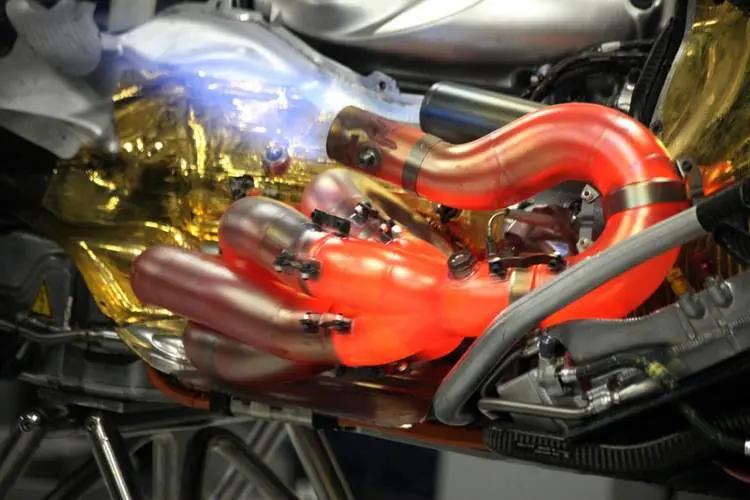
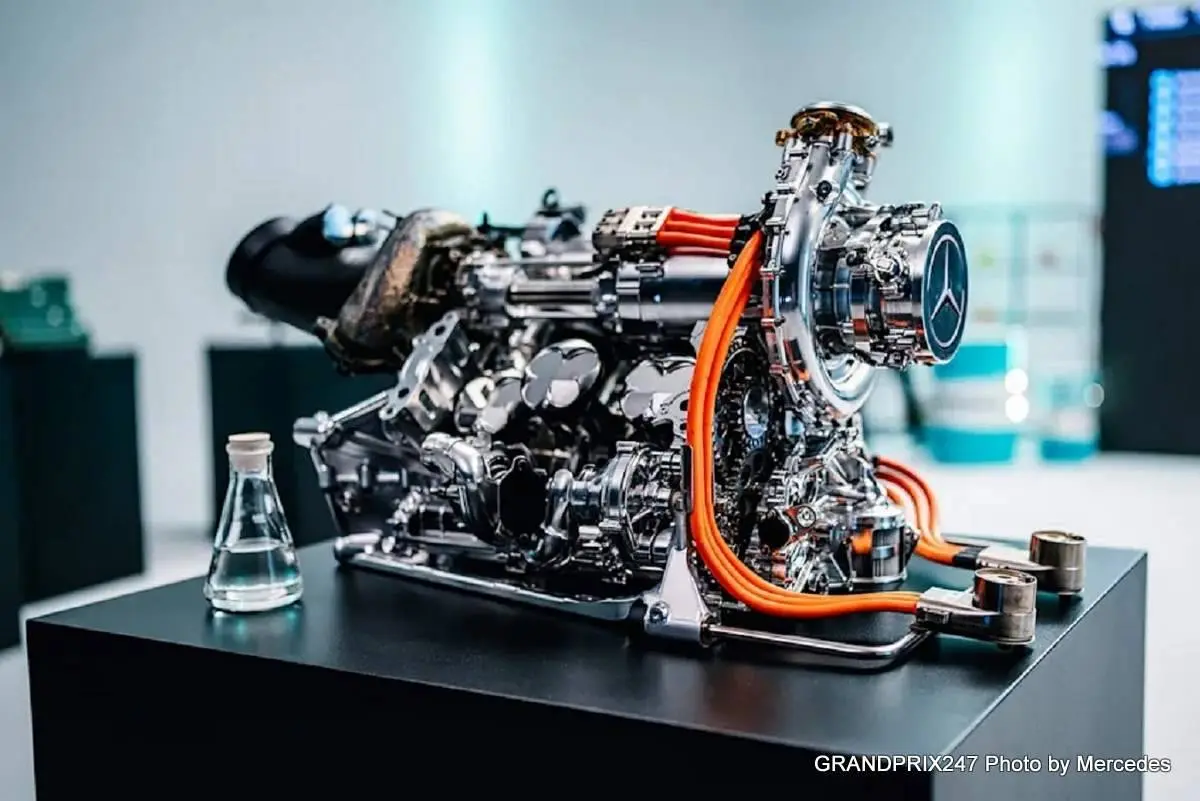
The proposal suggests dropping the MGU-H, the turbo energy recovery system, which make the engines highly efficient but at a great cost.
But Abiteboul is not convinced, "My problem with the removal of the MGU-H is that as soon as you do that it is a new engine.
"It fundamentally changes the way the energy is managed within the engine, the way the turbo is working and so on and so forth. It is a new combustion concept, a new way to manage turbo lag and efficiency, so it is new design of turbo."
"We actually believe that the MGU-H is a fantastic device in order to have a sustainable power around the lap and during the whole race. So that is the sort of disconnect we may be finding ourselves in right now," added Abiteboul.
Although Ferrari and Honda have yet to comment on the proposed new engine rules, Wolff said, "It portrays it in a way of this is how we're going forward and none of the current OEMs (Original Equipment Manufacturers) was particularly impressed."
"The new concept needs to tackle the deficit that has been outlined - development costs and noise level - and all that needs to be linked with a global view of F1. We haven't seen any of that."
The Mercedes chief warned that "developing a new engine concept, that will trigger immense costs, should not be done just for the sake of having a new concept."
Big Question: What is the best solution for a new and cost effective power unit for Formula 1 beyond 2020?
loading
Latest News



Loading