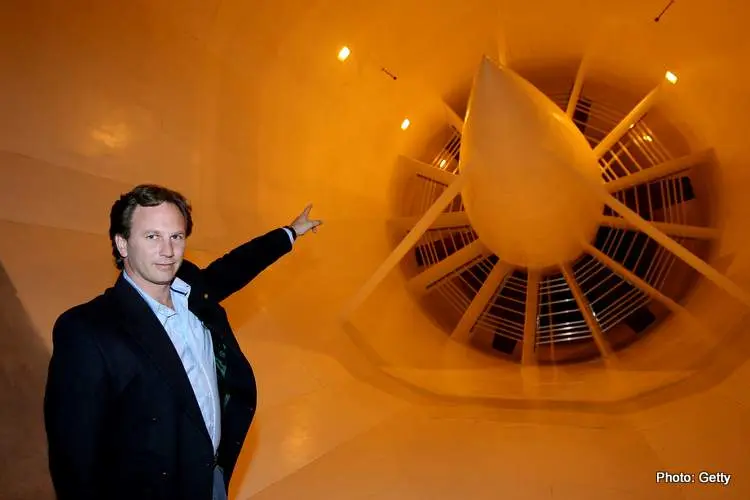
Red Bull Racing's long-awaited new Formula 1 wind tunnel is set to be completed earlier than expected, with construction reportedly three months ahead of schedule.
The cutting-edge facility is projected to be fully operational by 2026, offering the team a crucial advantage as they design their 2027 car. The accelerated timeline could not come at a better moment for the reigning world champions, as rivals continue to invest heavily in aerodynamic development.
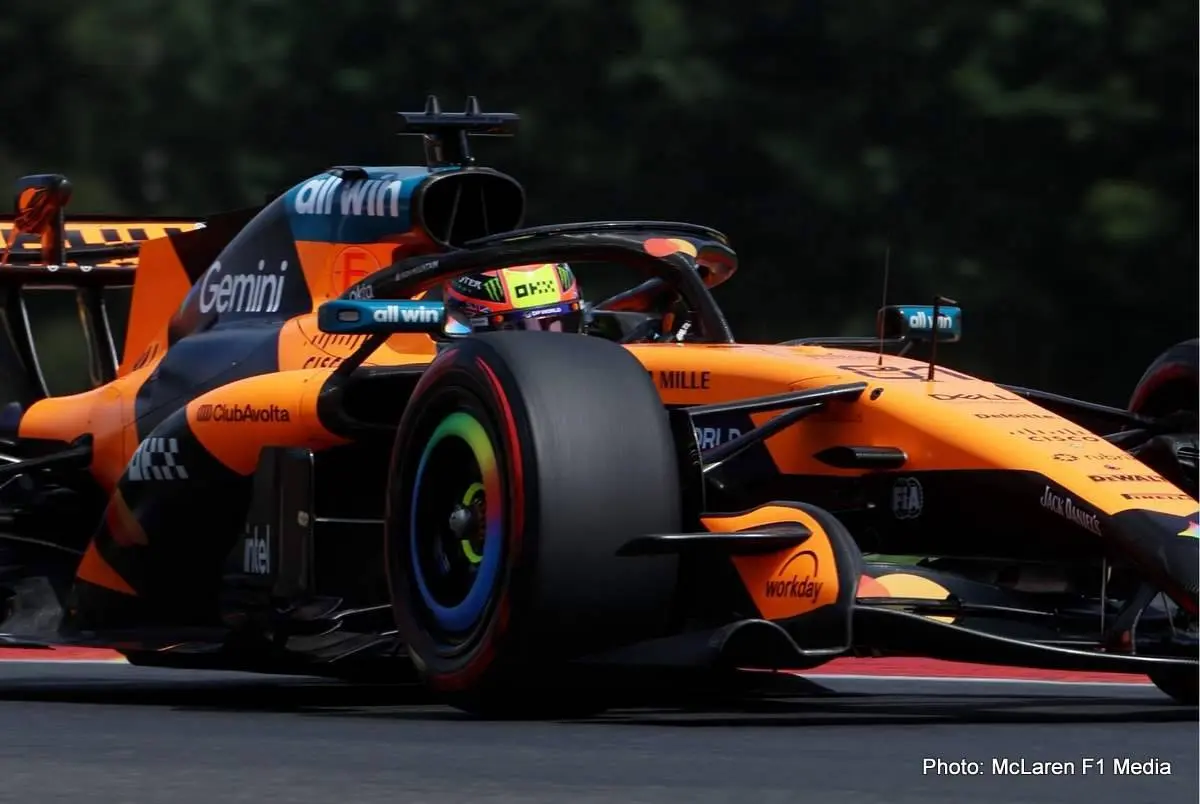
Rivals McLaren opened their state-of-the-art wind tunnel in 2023, contributing to the success of the MCL38 in 2024. Aston Martin is also nearing completion of their own advanced facility, heightening the competitive landscape.
Christian Horner, Red Bull's Team Principal, has been vocal about the limitations of the team's current wind tunnel and told reporters last year: “Our wind tunnel is a relic of the Second World War,!"
Horner remarked, expressing frustration over the ageing equipment. His concerns have been echoed by Technical Director Pierre Waché, who highlighted the correlation issues stemming from the outdated setup.
Marko: Our wind tunnel dates from just after the World War II

Waché explained: “Some aspects that are related to the fact that we are not delivering the performance that we expected are related to correlation,”. We are using a fairly old wind tunnel and, as a result of our first place in the championship, we have fewer hours available than our opponents.”
The Red Bull RB20, which dominated much of the 2024 season but faced unexpected struggles in certain areas, was partially affected by these technical constraints, according to Waché.
Red Bull advisor Helmut Marko told Formule1 that he is optimistic about the impact the new wind tunnel will have on the team’s long-term performance: “Our wind tunnel dates from just after the Second World War. That of course has disadvantages. It takes a very long time to get the temperature in it up. The tunnel is outdated and I hope that our new wind tunnel can be put into operation in 2026.”
As Red Bull prepares to phase in the new facility, their rivals’ advancements underline the importance of modern infrastructure in maintaining competitive dominance.
With their championship success already limiting wind tunnel hours under FIA regulations, the new facility could be the key to sustaining Red Bull’s edge in Formula 1’s relentless development race.
Latest News


Loading