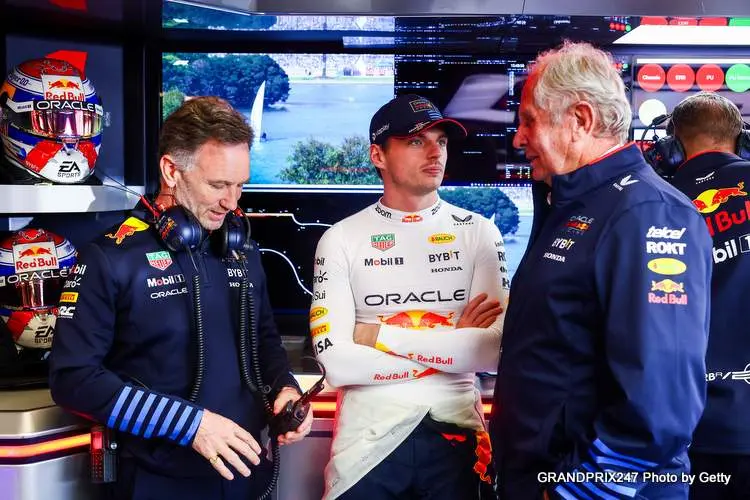
Red Bull Racing finds itself going through uncharted waters following Adrian Newey's departure in early 2025, with the legendary designer's absence creating significant technical hurdles for the Milton Keynes squad.
The RB21 has proven problematic from the outset, with fundamental balance issues plaguing Max Verstappen throughout the season. Pierre Wache, now leading the technical department, has acknowledged that the car fails to respond as expected during setup changes, leaving the team scrambling for solutions.
The correlation problems between Red Bull's aging wind tunnel and real-world performance have become increasingly apparent. Christian Horner has identified their "Cold War relic" wind tunnel as a primary culprit, describing how it drives development in directions that don't replicate track performance.
This creates a dangerous disconnect between simulation data and actual car behavior, forcing engineers to rely heavily on track data rather than their traditional development tools.
Technical Challenges and Engineering Struggles

As fans closely monitor every development update and car upgrade package for upcoming races, many are also seeking enhanced engagement opportunities, including looking out for promotional offers such as Bet 365 bonus code to add excitement to their race weekend experience.
The scrutiny from supporters has intensified given Red Bull's unexpected struggles, with Verstappen managing only two victories from nine races completed so far.
Despite Newey's departure, Red Bull has maintained its core technical structure, with Wache insisting that daily operations haven't fundamentally changed. The team has secured key personnel through contract extensions, including chief engineer Paul Monaghan signing a new long-term deal.
However, McLaren CEO Zak Brown revealed an influx of CVs from Red Bull staff following Newey's exit, suggesting potential instability within the technical ranks.
The team's ability to innovate has been tested by their struggles with the ground-effect regulations. Newey himself noted that Red Bull's "inexperience" may have contributed to continuing down a flawed development path with the RB20 and subsequently the RB21. The current regulations, which generate significant downforce through floor sculpting without sealed skirts, create aerodynamic instabilities that Red Bull has struggled to manage effectively.
Competition and Championship Prospects

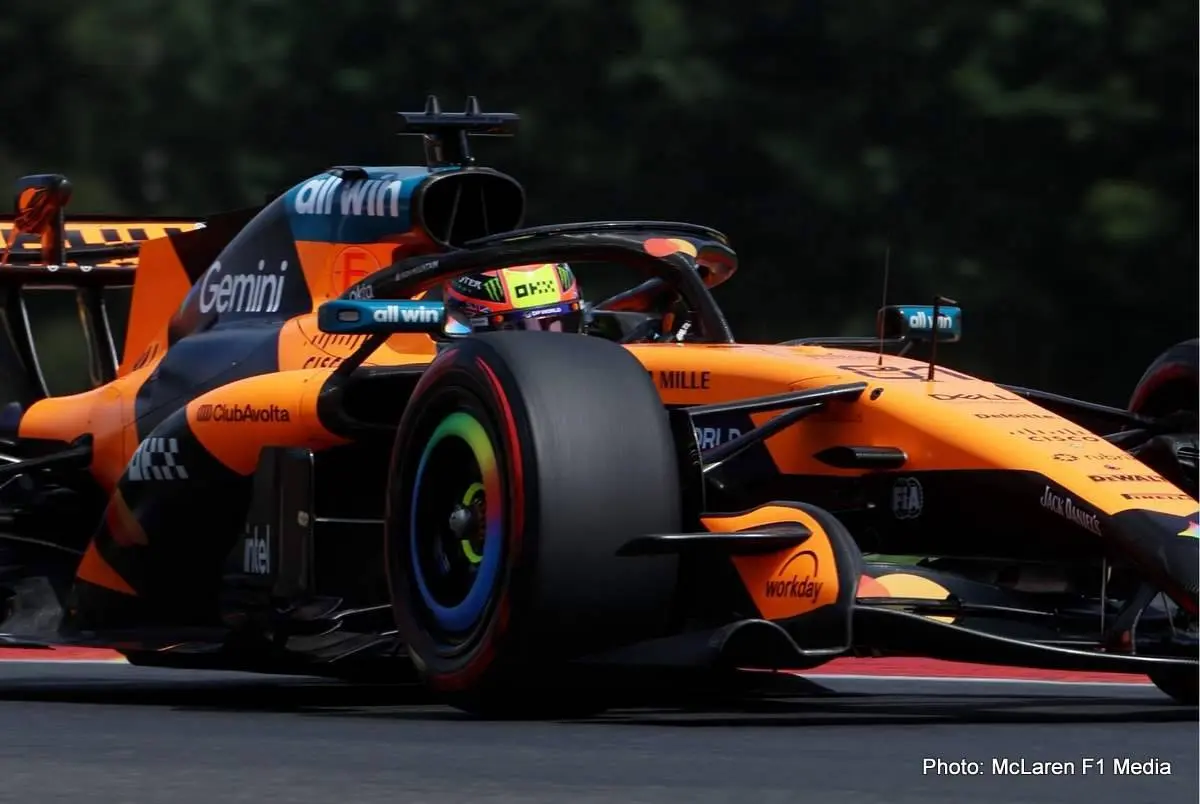
Red Bull's championship aspirations for 2025 appear increasingly remote as McLaren dominates both standings with 362 points, while Red Bull languishes in fourth place with just 144 points.
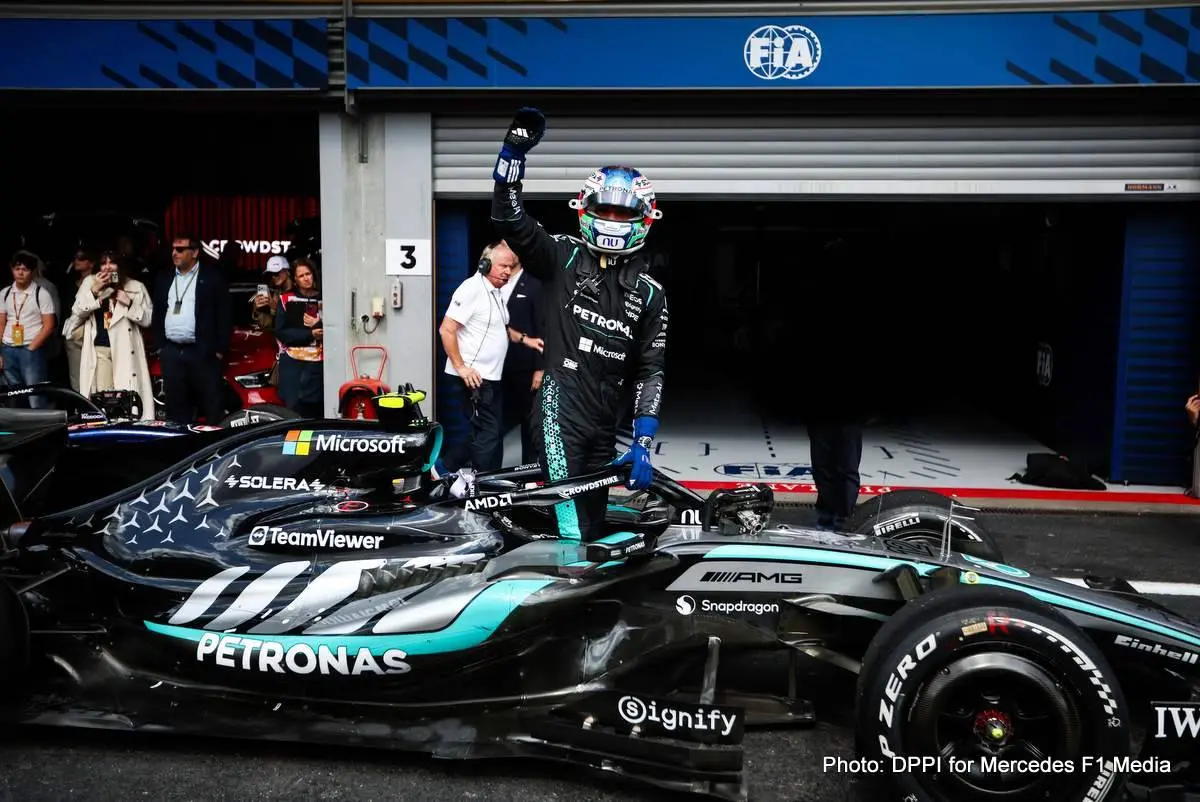
Ferrari, with their formidable driver pairing of Charles Leclerc and Lewis Hamilton, sits second with 165 points, presenting a significant threat. Mercedes has also leapfrogged Red Bull into third position.
The team's performance deficit has become particularly evident in race trim, where tyre degradation and balance issues compound their problems. Verstappen finished sixth in Bahrain, 34 seconds behind race winner Oscar Piastri, highlighting the scale of their competitive disadvantage. The RB21's inability to maintain consistent performance across different circuit types has left them vulnerable to their resurgent rivals.
Given their current struggles and the magnitude of the 2026 regulation changes, Red Bull faces a critical decision point about resource allocation.
The new regulations will introduce active aerodynamics, lighter cars, and revised power units with increased battery power and 100% sustainable fuels. These fundamental changes offer Red Bull an opportunity to reset their competitive position.
Verstappen's Prospects for the Future

The team's new wind tunnel facility won't arrive until 2027, creating a strategic dilemma about whether to continue developing the problematic RB21 concept or redirect resources toward 2026 preparation.
With McLaren's current dominance showing little sign of weakening, a strategic pivot toward 2026 development may become necessary by mid-season, particularly if the championship gaps continue expanding.
Since joining Red Bull, Max Verstappen's dedication to the team is put to the ultimate test. Although there are performance-based exit clauses in his contract, sources indicate that given his championship position, he is likely to stay until 2026. With frequent radio complaints about the car's erratic behavior, the four-time champion's tolerance for the RB21's handling characteristics has clearly worn thin.
The Dutchman's choice in the future will probably depend on Red Bull's capacity to show that it has made headway in resolving its core technical problems.
Verstappen's devotion to Red Bull may hinge on their ability to get back into the championship picture before the 2026 rule change offers new chances for all competitors, even though Mercedes and other teams have expressed interest.
Latest News
Loading