Red Bull engine boss says differences between 2026 F1 power units will be less than in 2014
F1 NewsMonday, 19 January 2026 at 11:43
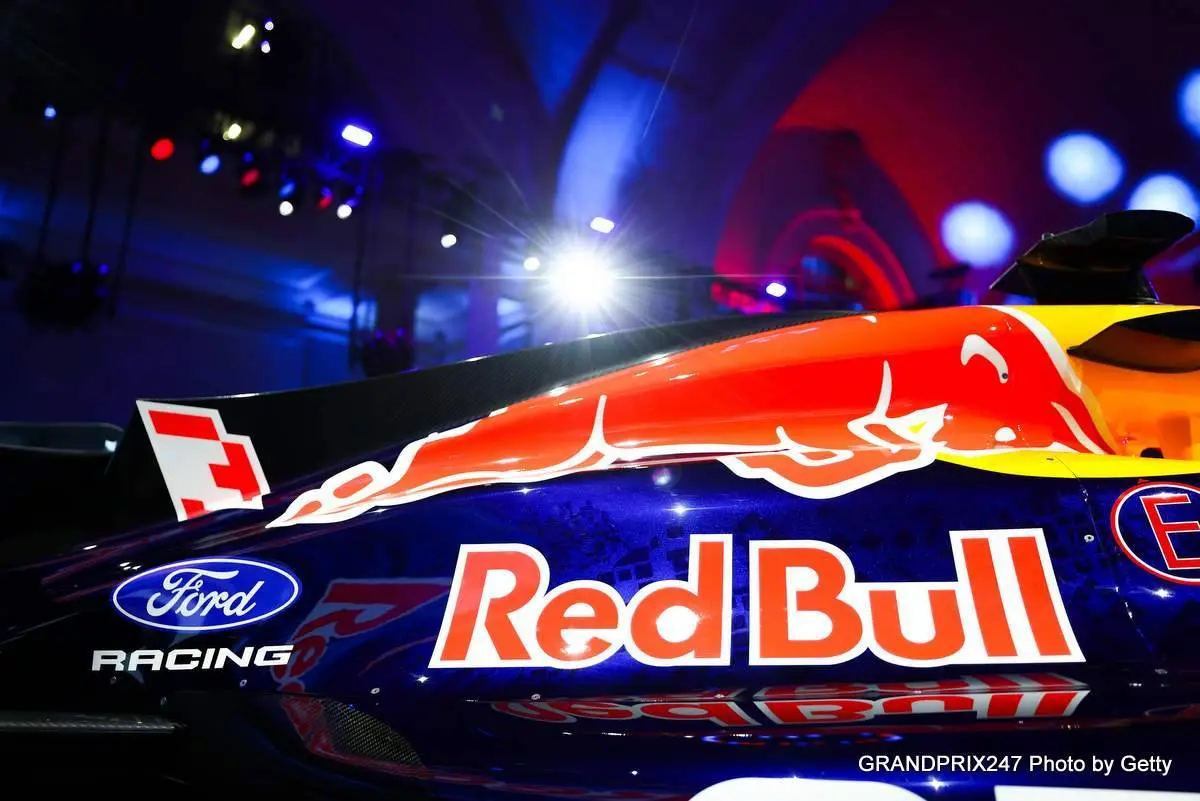
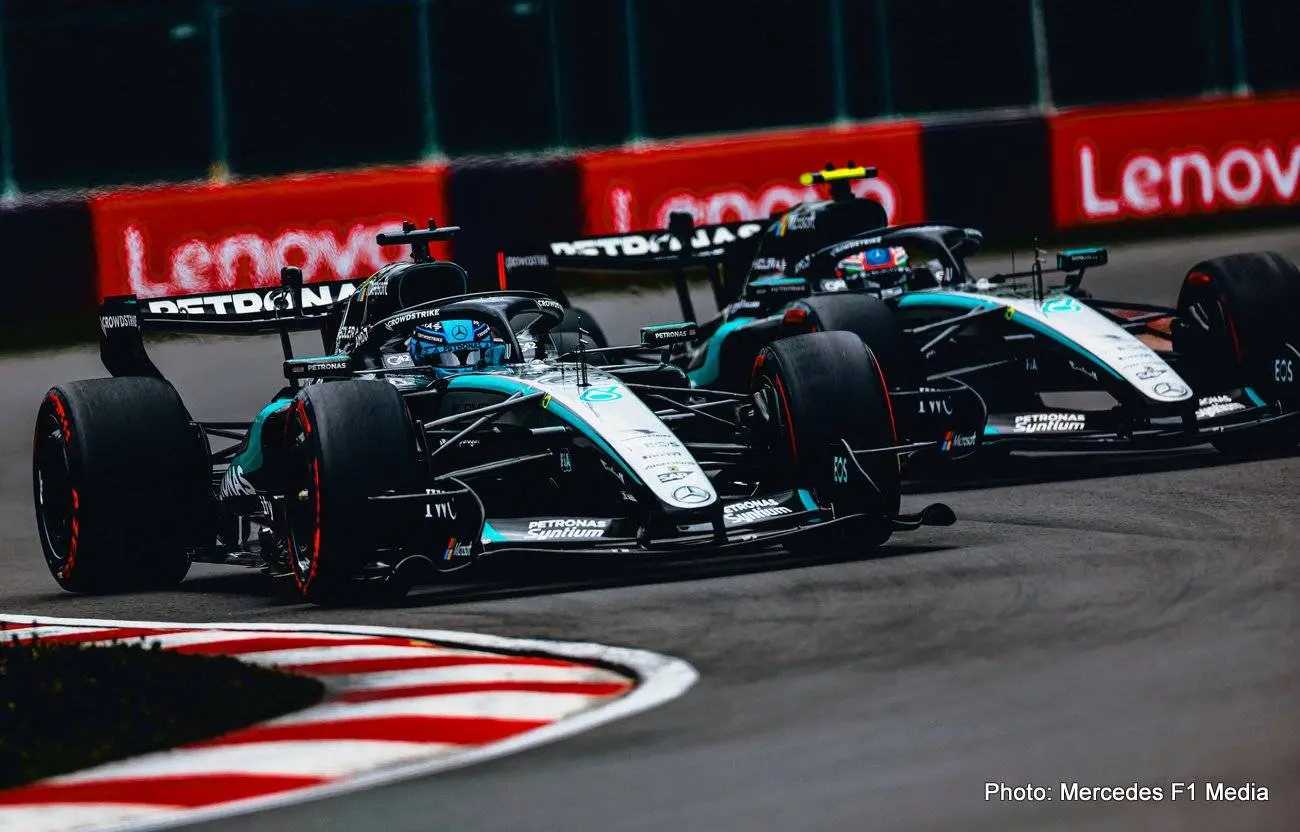
The last time Formula 1 had a change in engine regulations back in 2014, Mercedes emerged with a huge advantage, but that will not be the case in 2026.
That is the claim of Red Bull Ford Powertrain boss Ben Hodgkinson, who discussed his team's first F1 power unit on the day when their RB22 livery was revealed in an event held in Detroit on January 15.
However, the new rule changes are not limited to the power units, as the cars will also change in dimensions, becoming smaller and lighter, while the way they generate downforce will not be reliant on ground effect, with front and rear moveable aero being introduced instead of DRS.
Nevertheless, the main question, or concern, is the possibility of any of the teams coming up with an advantage and running away with the Championship like Mercedes did back in 2014.
Hodgkinson downplayed such concerns, at least from the power unit side; he said: “I think within the power unit space itself it could be true that the internal combustion engine might be the biggest differentiator.
“I think that on the ERS side everyone will be sort of 99% efficient on their power electronics and their motor.
“I think the biggest differences are probably going to be on the ICE side, and that does work with your fuel partner a lot as well. So in our case, ExxonMobil has been really vital in trying to get as much performance as we can out of the ICE," he explained.
But he added the differences between different power units will not be considerable; he went on: “I think the differences between the power units are going to be less than we've seen in 2014.
It is still a V6 ICE

"Because the power unit, or the ICE in particular, is very, very similar. Yes, it's got sustainable fuels, and yes, we've lost the MGU-H, and there's been a compression ratio limit.
"There's been lots of tweaks to the regulations that deliberately kind of reset combustion technology, but it's not a million miles away [from what we had].”
“It's not like we're suddenly developing a different configuration,” Hodgkinson continued. “It's still a V6, and it's still fundamentally the same.
"All the lowering of things like compression ratio and boost limits have actually made the loads a bit less, so the stress the parts have to go through is a little easier.
“I think the power units could be similar," he maintained. "Maybe I'm saying that because technically we're newcomers as Red Bull Powertrains, although an awful lot of my staff have lots of F1 experience.
"Maybe I don't feel so much like a newcomer as perhaps we should do, and maybe that's why I'm saying that.
“It'll be interesting to see where all the other teams are, but I guess there's a bigger risk on the aero side," he pointed out.
Going further on the aero side, Hodgkinson quipped: “But aerodynamics is not really my expertise, so you shouldn't really take it as an official statement.
“But it's a complete reset with the whole car; it's not just a reset for the power units. So yeah, there should be differences, and we'll see what they are," the former Mercedes engineer concluded. (Qoutes from Motorsport.com)
Latest News


Loading