
In the US, one of the most common types of car accidents is a rear-end collision. The most recent data from the National Highway Traffic Safety Administration (NHTSA) shows that 29% of reported crashes with other vehicles were rear-end collisions.
When one car hits the back of another moving or stopped car, that's called a rear-end collision. Cars involved in these kinds of incidents usually sustain damage to the back part of the vehicle. If someone hits you from behind, you might not know what to do next.
After the accident, stay calm and check everyone's safety. Photograph the scene and see to it that you capture all important details. These steps may boost your chances for successful insurance claim compensation. A lawyer for car insurance claims is also helpful in maximizing your compensation.
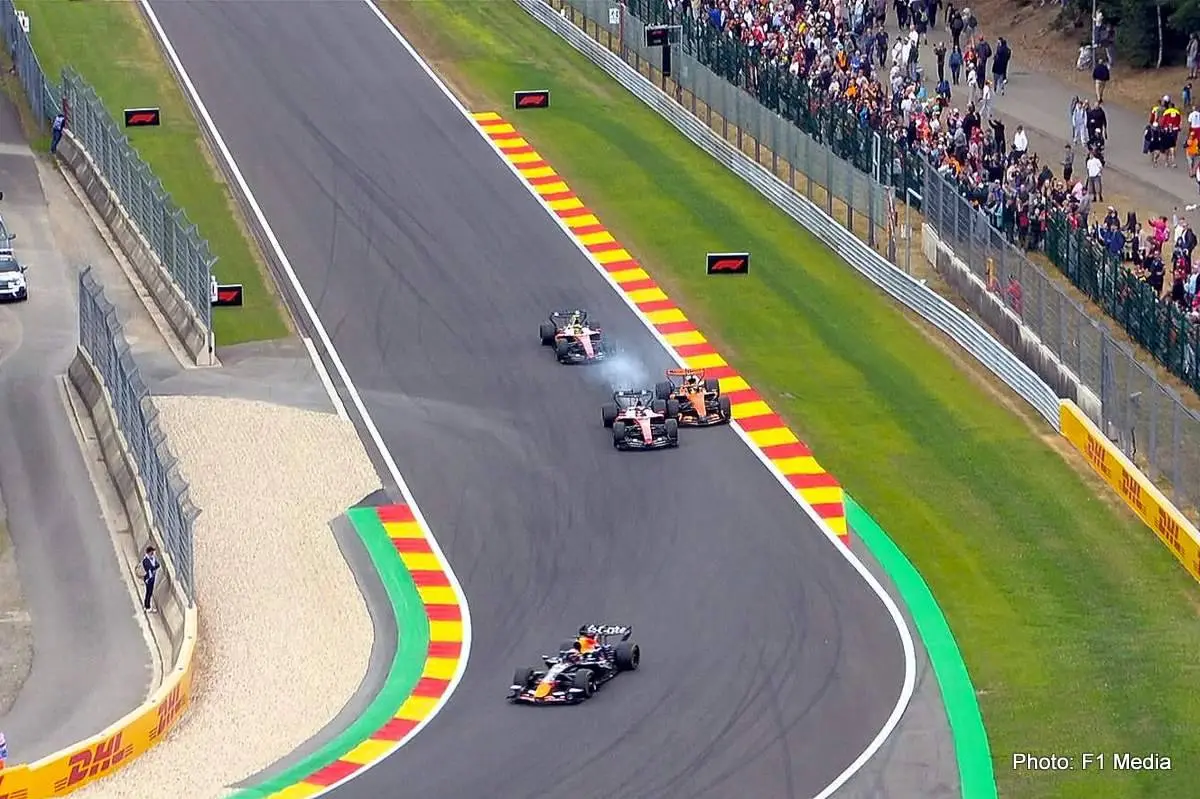
This special report for our Formula 1 readers and F1 fans highlights the necessary steps you should take to claim your accident insurance.
Ensure Safety and Seek Medical Attention
Always prioritize your safety after a rear-end collision. Check your and other passengers’ safety conditions. Immediately call 911 if there is anyone injured.
Take the car out of the way of traffic and to a safe place if you can still drive. Leave the lights on to alert other drivers. If not, stay in the car until help comes.
Once you're inside, you should see a doctor right away. The injuries you sustained may have been small, but seeing a doctor will confirm if there are no underlying injuries that can lead to even worse medical issues in the future.
Never even think about not going to the doctor or the emergency room. Giving importance to your safety and well-being will help you keep track of your current condition in case you decide to file any insurance claims later.
Document the Accident Scene
Proper recording of an accident scene is important for supporting your claim. If you are taking pictures of all the cars involved, see to it that you include all the damage, the license plates, and where the cars are on the road.
You might also want to take pictures of any road signs or traffic lights that could be important to the case. Document the current weather conditions too. Obtain statements from witnesses since their testimonies can be used to help your case.
When the police come, ask for a copy of the accident report so you can keep it. Write down the date, time, place, and anything else you can remember about the event.
Meticulous documentation will strengthen your claim and may help describe what happened before the collision. Be thorough with your documentation, since these will heavily influence your insurance dealings.
Notify Your Insurance Company
As soon as you finish preparing your documentation, contact insurance regarding the incident. The report you submit to the insurance company should include the date, time, and location of the event along with any other important facts.
Always provide the right information about the accident, as it may affect the claim very much. The average rear-ended settlement can range from several hundred to thousands, depending on the severity of your injury.
The company will instruct you on the next steps to take. They will send a claims adjuster whose task is to investigate the damages. Inquire further about the coverage and the applicable deductibles, if any.
Keep a file of everything you ever wrote down, taking note of the dates and the names of the representatives of the insurance.
Reporting the incident immediately to the insurance company is a way to check that everyone is on the same page with regard to the insurance terms and helps you stay clear of uncertainties throughout the claim.
Communicate With the Other Party's Insurer
Afterwards, it would be necessary to get in touch with the other party's insurance company. Gather all relevant data, like witness statements, accident reports, and any photos you took. Stand firm but kind when confronting the other party's insurance company.
Describe the accident's occurrence as objectively as possible with only the facts known to you. Avoid admission of fault in the conversation, as it could affect your claim. Make notes of any discussions, just for your benefit. If they ask for anything else, try to give it to them quickly.
Keep Track of Expenses and Follow Up
Tracking expenses becomes necessary after a rear-end collision, especially when losses are being compensated for. Start with a journal of expenses arising in connection with the accident. Include medical bills, car repairs, or even loss of wages when accounting for the damages sustained.
Receipts or bills can be utilized as key evidence and demonstrate the extent of damage you have received. Other kinds of expenses may cover the rental of another car or travel costs to medical appointments.
Follow up often with the insurance company, asking for updates on the claim, whereas if no reasonable time has passed, you have to call them.
Persistence truly can speed up the claims process. Staying organized, being active, and fighting for your compensation are all that matter.
Latest News










Loading