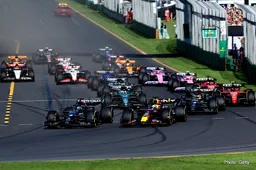
Racing on the Blockchain: A New Paradigm for F1 and Motorsport
F1 NewsThursday, 18 April 2024 at 01:53
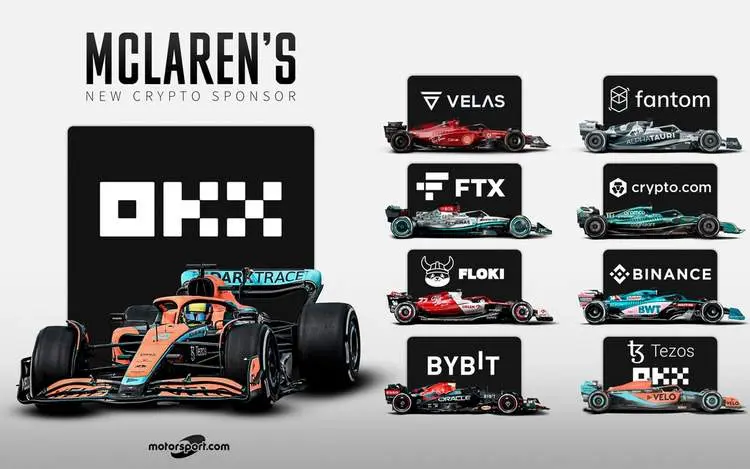
Greetings from the blockchain-powered racing of the future. This special report examines how blockchain technology is expected to revolutionize Formula 1 and other motorsport.
Improving everything from fan interaction to supply chain management. For a deeper dive into this exciting development, Visit proficator.com/.
Racing Revolution: Blockchain's Impact on Formula One and Other Sports
Formula 1 and motorsports, in general, are being drastically changed by blockchain technology, which is bringing in a new era of efficiency and transparency. Every lap time, pit stop, and technological change may be irrevocably recorded by incorporating blockchain, making data manipulation nearly impossible.
This capacity builds trust between teams, officials, and supporters, improving the fairness of contests. Additionally, blockchain simplifies cross-border transactions, reducing mistakes and delays in payments between teams, sponsors, and suppliers. In addition to improving safety and competition fairness, real-time tracking of vehicle parts and materials reduces the possibility of fake parts finding their way into sports.
What if team strategies—currently under confidentiality—could be safely communicated and confirmed without risking espionage? By establishing the legitimacy of tickets sold to fans and guaranteeing that only valid ticket holders are admitted to events, blockchain technology has the potential to transform the ticketing industry and eradicate fraud. How might this security and transparency change the motorsport fan experience and competitive landscape?
Asset Tokenization in the Motorsports Industry
In the racing world, tokenization is a revolutionary change that converts tangible assets—such as vehicles, gear, and sponsorship agreements—into blockchain-based digital assets. Thanks to technology, teams can issue digital tokens representing a portion of their assets that can be bought and sold by both investors and fans. Giving supporters a stake in the teams they cheer for democratizes investment options and increases fan involvement.
Token owners might, for example, be able to cast votes on small team decisions or get paid when their races are won. In addition to giving teams a new source of revenue, tokenization fosters fan loyalty and engagement and can turn spectators into engaged participants.
Imagine having a token that gives you access to exclusive content, voting privileges, and first choice on memorabilia, all while increasing in value in response to your team's performance. When the public has a financial and emotional stake in the results, what adjustments may we observe in fans' actions and the tactics employed by their teams?
Blockchain-Powered Fan Interaction and Loyalty Schemes
Blockchain's individualized, safe loyalty and reward systems are revolutionizing motorsports fan interaction. Teams may use blockchain technology to create tokens that supporters can obtain by participating in online content, buying products, or going to races.
After that, these tokens can be used for exclusive experiences like meet-and-greets with drivers, unique merchandise, or behind-the-scenes access. Because blockchain technology is secure, fraud and illegal data access are avoided by maintaining the fans' identities and the tokens' integrity.
Furthermore, this technology makes it possible to create a more customized fan experience, wherein awards are made based on the likes and habits of sure fans, strengthening their bond with the club. What possible effects might this degree of individualized interaction have on the general popularity of motorsport events and fan loyalty?
Blockchain-Based Supply Chain and Logistics Management
Blockchain is vital for improving supply chain and logistics management in motorsport, as parts and materials are frequently acquired internationally. Teams can see each component's origin, quality, and delivery status in real-time by tracking every transaction and transfer on a decentralized ledger.
This lowers the possibility of delays and mistakes while manufacturing racing cars while guaranteeing adherence to rules and specifications.
Blockchain can expedite customs clearances, automate contracts and payments, and enable effective recall procedures if faulty parts are found. More sustainable racing methods may result from blockchain's capacity to lower overhead expenses and boost operational effectiveness. What impact would improved logistics have on motorsport competition dynamics?
Blockchain Technology to Improve Motorsports Security
By preventing unwanted access and interference with critical data and systems, blockchain improves security in motorsports. Since blockchain is decentralized and uses cryptography, data recorded on it cannot be changed later without being discovered.
Ensuring the secrecy of critical telemetry data, strategy, and internal communications is contingent upon this. Furthermore, blockchain technology can protect IoT gadgets and sensors—essential components of contemporary race cars—from cyberattacks that might result in data tampering or breaches.
Teams are safeguarded by blockchain's increased security, which also upholds the integrity of the sport by guaranteeing that competition is impartial and fair. How may better data security affect racing teams' strategic choices?
Conclusion
As we've seen, blockchain technology can completely transform the motorsport sector by creating more transparent, safe, and effective procedures. With the potential to drastically alter the future of this exciting sport, the transition from conventional racing operations to a blockchain-driven system is currently in progress.
Latest News




Loading