Essential tips for casual sim racing fans for maximum performance
F1 NewsThursday, 28 November 2024 at 01:42
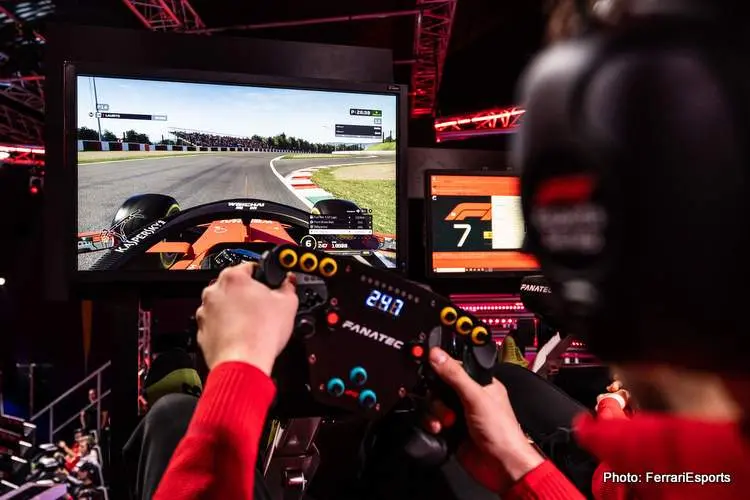
Sim racing has quickly become a thrilling way to experience motorsports without leaving home, one guesses that many of our Formula 1 readers and fans have a rig of sorts at home.
From competitive league races to improving your lap times, optimizing your setup can make all the difference; we will offer actionable tips here that can help optimize both gear and environment for peak performance.
Assess Your Hardware: Assessing The Foundation Of Your Setup
Hardware is at the core of sim racing. To maximize its benefits and get the most from your equipment, ensure it fits your needs and skill level.
- Steering Wheel and Pedals: Invest in a wheel and pedal set that offers smooth feedback and precise control for optimal control. If you own one, ensure its force feedback calibration matches realistic resistance without overwhelming your movements.
- Shifter and Handbrake: For rally and drifting enthusiasts, having their standalone shifter and handbrake can improve control while making the experience more authentic.
Regularly inspect your hardware for wear and tear. Worn-out pedals or loose wheel mounts can lead to unpredictable performance and hinder your ability to stay in control during critical moments.
Optimizing Your Seat and Cockpit Position

Your seating position is integral to interacting with and maintaining control of your gear. An uneasy or poorly suited setup may result in fatigue and decreased reaction times, decreasing performance significantly.
- Adjust Your Seat: Make sure your seat is securely fastened and positioned like the interior of an actual racing car, with legs slightly bent when pressing pedals fully and arms forming a comfortable angle when holding onto the steering wheel.
- Optimize Your Cockpit Layout: Make sure all cockpit elements, such as the wheel, pedals, and monitor, are placed directly in front of you to minimize twisting or stretching for controls, as this could strain muscles and lower accuracy.
Rather than creating your setup using makeshift items such as a desk and office chair, consider investing in a dedicated sim racing cockpit or an excellent wheel stand to keep everything secure.
Fine Tuning Your Display Settings

Visual clarity is critical for making quick decisions on the track, but an improperly configured display can make distance estimation more challenging, leading to unnecessary mistakes.
- Field of View (FOV): Adjust your FOV settings accordingly with monitor size and distance from the seat. A properly calibrated FOV ensures that virtual track proportions mirror accurate life proportions, helping you judge corners and distances accurately.
- Refresh Rate and Resolution: To maximize responsiveness on the track, utilize a monitor or TV with at least 120Hz refresh rate and resolution to reduce motion blurring and input lag. These factors can significantly improve your ability to react instantly when something unexpected comes your way on track.
Practice your display settings before race day to ensure they fit comfortably and you can see all critical details.
Adjusting Force Feedback Settings

Force feedback is the tactile link between you and the virtual car, providing tactile senses for road surfaces, traction levels, and car behaviors. By configuring properly tuned settings, you can feel what the road surface feels like while understanding car behavior and performance.
- Adjust Strength and Sensitivity: Excessive force feedback may make controlling the wheel difficult, while too little reduces the sensory information you receive. Aim for a balance that allows you to feel subtle nuances of car movements without experiencing too much resistance.
- Set Deadlines: When setting dead zones in your wheel or pedals, eliminate all dead zones so every movement translates directly to in-game actions. This ensures a seamless gaming experience!
Explore various settings within your sim racing software and conduct test runs to identify what feels most natural.
Customizing Your Control Inputs

Effective control mapping can save vital seconds during a race. Configuring your inputs to meet your preferences makes smoother and more intuitive driving possible.
- Button Assignments: Make essential functions, like gear changes, pit requests, and camera adjustments, easily accessible through specific buttons on your wheel or controller.
- Pedal Sensitivity: Adjust the sensitivity curves on your throttle, brake, and clutch pedals so you can precisely modulate inputs when braking. This ensures precise input modulation during braking situations.
Test your control settings under various scenarios to ensure they fit comfortably. This will enable quick responses without searching for buttons or overcorrecting.
Establishing an Undisruptive Environment

Your surroundings can dramatically impact your focus and performance. A disorganized or noisy area could distract you from an essential race during key moments.
- Lighting: For optimal screen glare reduction without eye strain, utilize consistent lighting that creates uniform illumination of your monitor screen. Avoid placing it near direct sunlight or overhead lights that might prevent visibility.
- Sound: Headphones can provide invaluable feedback about your car's behavior when listening to engine sounds and tire squeals, which give insight into its behavior.
Maintain a tidy racing area free of unnecessary objects that might interfere with racers or cause discomfort.
Preparing Mentally and Physically for Race Day

More preparation will be needed to thwart even the best setup, affecting mental and physical performance equally.
- Practice: Spend some time practicing on the track you will be racing to familiarize yourself with its layout, braking zones, and tricky sections.
- Stretch and Hydrate: Sim racing may not seem physically demanding, but staying hydrated and stretching beforehand is vital to avoid fatigue and maintain focus.
- Take short breaks during longer sessions to remain sharp and avoid burnout.
To further enhance your sim racing experience, consider exploring your options here for a comprehensive resource for mods, tracks, and community discussions
Conclusion
Optimizing your sim racing setup involves fine-tuning both hardware and environment elements and your mental preparedness. Following these essential tips can increase performance while creating an immersive and competitive racing experience. Practice and consistency are keys here; modify and fine-tune as often as necessary while adapting to new challenges as you develop as a racer.
Latest News



Loading