When we think of Formula 1 drivers and gamblers, we often picture two very different worlds, one filled with the roar of engines, precision engineering, and lightning-fast reflexes; the other rooted in chance, strategy, and cards on a table.
Yet, beneath the surface, both drivers and gamblers are driven by a common psychological thread: a unique relationship with risk, which we examine in this special report for our readers interested in safe and responsible gambling.
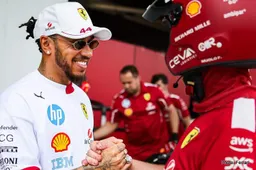
Whether it’s Lewis Hamilton threading his car through a wet corner at 200 mph or a seasoned poker player going all-in on a bluff, both are making rapid, high-stakes decisions. These behaviours aren't random, they are deeply rooted in neuropsychology, emotional control, and personality traits that influence how risk is perceived and managed.
Risk-Taking: Wired Into the Brain
Risk is inherently tied to dopamine, a neurotransmitter that regulates the brain’s reward system. People with higher dopamine sensitivity are often more inclined to seek thrills, handle uncertainty, and pursue potential rewards, even at the cost of possible losses.
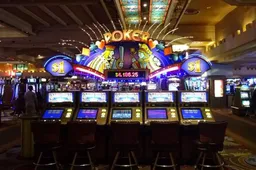
F1 drivers and gamblers often exhibit high levels of sensation-seeking behavior. This trait is linked to a desire for novel and intense experiences. Research suggests that sensation seekers have a stronger neurological reward response when taking risks, making dangerous maneuvers or risky bets feel more rewarding. It’s no surprise, then, that many thrill-seekers are drawn to the best online casinos that payout, where the combination of high stakes and fast rewards provides the kind of excitement they crave.
Decision-Making Under Pressure
Both F1 drivers and gamblers must make rapid decisions under pressure, often with incomplete information.
- F1 Drivers: Every millisecond counts. Drivers are trained to assess variables like tire grip, engine performance, weather, and opponent behavior, then make instant decisions. A mistimed overtake or late brake can mean the difference between victory and a crash.
- Gamblers: Similarly, in high-stakes poker or roulette, players must read the game, anticipate outcomes, and act quickly. A wrong call can wipe out hours of profit.
This demands an extraordinary level of emotional control, cognitive flexibility, and focus. Both must detach themselves emotionally from previous outcomes, be it a crash or a lost bet, and continue to make logical, calculated decisions.
Calculated Risks vs. Recklessness
It's a myth that all gamblers or F1 drivers are reckless. In fact, the best in both domains are those who can balance risk and reward with cold rationality.
- An F1 driver knows when to push and when to hold back. They analyze data, understand race strategy, and rely on intuition honed through years of experience.
- A skilled gambler manages their bankroll, understands odds, and plays within defined limits, resisting the urge to chase losses.
In both worlds, discipline is key. Risk-taking isn’t about carelessness, it’s about embracing uncertainty with informed judgment.
The Role of Adrenaline and Flow State
The intense environments of racing circuits and gambling tables both induce high levels of adrenaline, the hormone responsible for the body’s “fight or flight” response. This heightens senses, sharpens reflexes, and can lead to a state of hyper-focus commonly known as “flow.”
Psychologist Mihaly Csikszentmihalyi described flow as a state where individuals are fully immersed in an activity, performing at their peak without conscious thought. Both F1 drivers and gamblers often enter this zone—drivers during qualifying laps, gamblers during a tense bluff or high-stakes tournament.
Flow state is addictive. The pursuit of this heightened awareness and control is one reason both F1 and gambling can become all-consuming passions.
Risk Perception: Framing and Biases
One of the most fascinating overlaps lies in how risk is perceived, not just objectively, but emotionally and psychologically.
- Optimism Bias: Many F1 drivers, like high-level gamblers, possess an optimism bias—they believe they are less likely to encounter negative outcomes than others. This confidence allows them to take risks others might avoid.
- Loss Aversion: Conversely, poor decision-making in both gambling and racing can emerge when individuals become too focused on avoiding loss rather than maximizing gain. This leads to conservative driving or risk-averse betting, which often results in poor performance.
Understanding cognitive biases is essential. The best performers learn to recognize and mitigate biases that cloud judgment.
The Thrill of Control in Chaos
At their core, both F1 and gambling offer the same addictive cocktail: control within chaos. The ability to influence outcomes in environments that are unpredictable is thrilling.
- An F1 driver cannot control the weather, engine failure, or other drivers—but they can control their reactions.
- A gambler cannot control the shuffle of the deck or the spin of the wheel—but they can control their strategy and mindset.
This illusion of control enhances emotional investment and makes both activities intensely satisfying.
Managing Risk in Real Life
Interestingly, both professional F1 drivers and experienced gamblers tend to be more risk-averse in their personal lives. Many are cautious with investments, health, and relationships. The intense focus on risk within their fields may actually lead them to seek balance outside of it.
Moreover, both industries are adopting better risk management tools, helmet safety and telemetry in F1, and responsible gambling tools like betting limits and self-exclusion in casinos. Awareness of risk psychology has led to safer, more sustainable practices.
While the worlds of Formula 1 racing and gambling may seem worlds apart, the psychology that drives their top performers is strikingly similar. Both demand quick thinking, emotional control, a high tolerance for uncertainty, and a well-calibrated approach to risk.
Understanding this shared mindset gives us insight not just into these thrilling domains, but into the human relationship with risk itself. It’s a reminder that in any high-stakes environment, whether behind the wheel or at the gaming table, the greatest asset isn’t luck or speed, but the mind.
Latest News
Loading