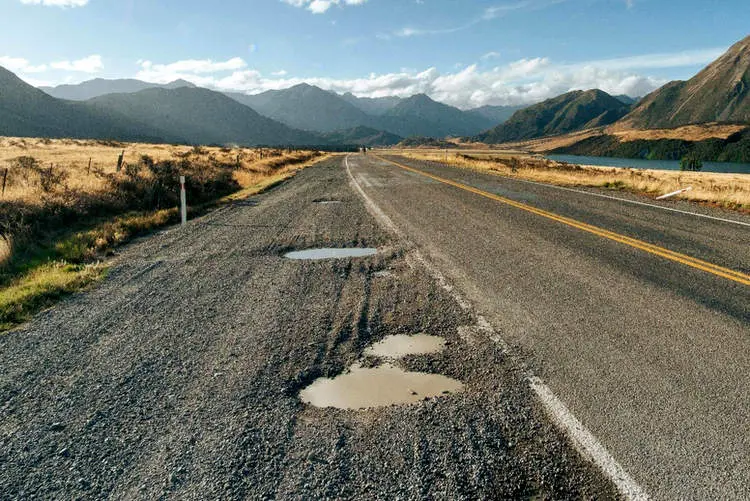
Potholes are an unavoidable challenge for drivers everywhere, and they can wreak havoc on your car if you're not prepared. Here is a guide to be ready.
They are particularly common in areas where there is a lot of traffic and where local governments might be diverting resources to issues other than road maintenance. USA Today reports that it’s often the colder northern states that have the biggest problems with potholes, but they are a common occurrence across the entire country.
General maintenance and awareness can help to protect your vehicle against pothole damage. Here are some essential tips:
Check your tire pressure regularly
One of the simplest yet most effective ways to protect your vehicle from potholes is by maintaining proper tire pressure. Tires that are under-inflated or over-inflated can lead to increased vulnerability when hitting a pothole.
Under-inflated tires tend to bulge, offering less resistance to impact, while over-inflated tires are more rigid, increasing the risk of a blowout. Regularly checking your tire pressure ensures that your tires should be able to absorb the impact of a pothole with minimal damage.
Inspect your suspension system
Your vehicle’s suspension system, including shock absorbers and struts, is your first line of defense against pothole damage. If your car doesn’t handle bumps smoothly or pulls to one side, it could be a sign that the suspension needs attention. Regular inspections help maintain balance, absorb shocks effectively, and prevent further wear and tear caused by potholes.
Get your wheels aligned
Hitting a pothole can throw off your car’s alignment, leading to uneven tire wear and difficulty steering. If you notice that your steering wheel is off-center or if your vehicle drifts to one side even when you're driving straight, it might be time for an alignment check.
Misalignment can make your tires wear out faster and lead to safety issues, especially when braking. A simple alignment adjustment can save you from more significant, costly repairs down the line.
Monitor your tire tread depth
The tread on your tires plays a huge role in how your vehicle responds to road conditions, including potholes. Tires with worn-out tread can be more prone to damage, such as punctures or blowouts, when they come into contact with a pothole.
Checking your tire tread regularly with a tread gauge or the simple "penny test" can alert you when it’s time for a new set of tires. Healthy tread means better grip, a smoother ride, and increased protection against unexpected road hazards.
Slow down and avoid sudden braking
Driving at high speeds increases the impact when you hit a pothole. When you notice a pothole ahead, it's best to reduce your speed but avoid sudden braking right before the impact. Braking shifts the car's weight to the front wheels, which can cause more damage to the suspension and tires. Instead, maintain a controlled speed, and if possible, gently steer around the pothole.
Pay attention to noises and warning lights
After hitting a pothole, you might not notice damage right away. However, pay attention to any unusual noises, vibrations, or warning lights that come on shortly after the impact. These signs could indicate damage to your vehicle's suspension, exhaust system, or undercarriage. If any of these symptoms occur, it's important to get your car inspected to prevent further complications.
Keep a safe distance from other vehicles
Maintaining a safe following distance can give you more reaction time to spot and avoid potholes. Tailgating reduces your ability to see road hazards in time to avoid them, increasing the chances of hitting a pothole hard. As such, keeping a safe distance should allow you to steer clear of damage more effectively.
Report the potholes you see
Depending on where you are in the world, you should be able to report a pothole for the local government to come out and fix. If you see a pothole, report it to your local government or municipality so that they can fix it before it causes damage to other vehicles. This small action can make a big difference in preventing accidents and vehicle damage.
Choose roads wisely
While it’s not always possible to avoid potholes, choosing well-maintained roads whenever possible can help. Some places are worse than others when it comes to the number and severity of potholes, and a simple Google search can help you out ahead of time.
For example, according to research from car insurance experts Compare the Market, Wyoming had the highest number of Google pothole searches per capita in the US, with 2.34 searches per 1,000 population.
If you frequently drive on roads with heavy traffic or poor maintenance, consider alternate routes that may be smoother and less likely to have potholes. The extra few minutes could save you from expensive repairs.
Staying on top of vehicle maintenance is important for keeping your car in good condition when encountering potholes. While you may not be able to avoid every pothole, following these tips can help minimize the damage to your vehicle and extend its lifespan.
By regularly checking your tires, suspension, and alignment, and adopting smart driving habits, you can navigate even the bumpiest roads with confidence.
Latest News











Loading