When you're talking about the pinnacle of motorsport, it's impossible not to mention the visceral thrill of Formula 1.
With engines that roar like thunder and cars that represent the bleeding edge of technology, it's not merely a race, it's a spectacle.
From the sepia-tinted days of Alain Prost and Ayrton Senna to the modern-day duels between Lewis Hamilton and Max Verstappen, the sport has been etched in history, not just for its innovative leaps, but also for the sheer audacity and skill required from its maestros behind the wheel.
Pole Position Importance
In the vast matrix of Formula 1, one thing remains unequivocally certain, the pole position is more than just a coveted spot. It’s an arena where drivers showcase not just speed, but mastery over the machine. Securing this position isn't a mere function of having the fastest car.
Teams burn the midnight oil, sifting through terabytes of data and engineering breakthroughs, refining every single parameter. The driver then, with a concoction of adrenaline and precision, harnesses this data to carve out that perfect lap, ensuring a front-row view of the race ahead, sans the melee of middle-order chaos.
The Art and Strategy Behind Racing
The art of F1 racing goes beyond the battle for milliseconds. It's a chess match at 200 mph. A driver, in symphony with his team, makes split-second decisions on tire choices, softs that grip but degrade quickly, or hards that last but demand more from the driver.
Then there's the calculus of pit stops, determining the perfect window to dive into the pits, refuel, switch rubber, and rejoin the battle. And let's not forget nature’s own stake. A sudden drizzle can transform the race, making the choice between slicks and wets a dance with destiny. Indeed, with the ebb and flow of car tech, driver prowess, and strategy, the path to the podium is seldom a straight line.
The Unpredictability of F1
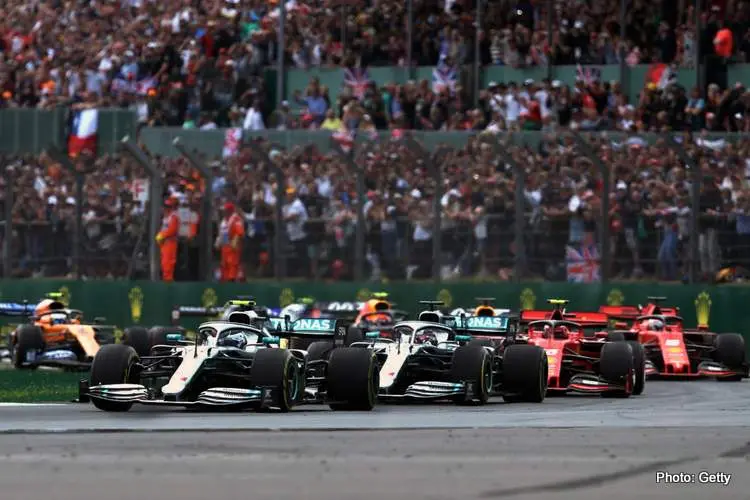
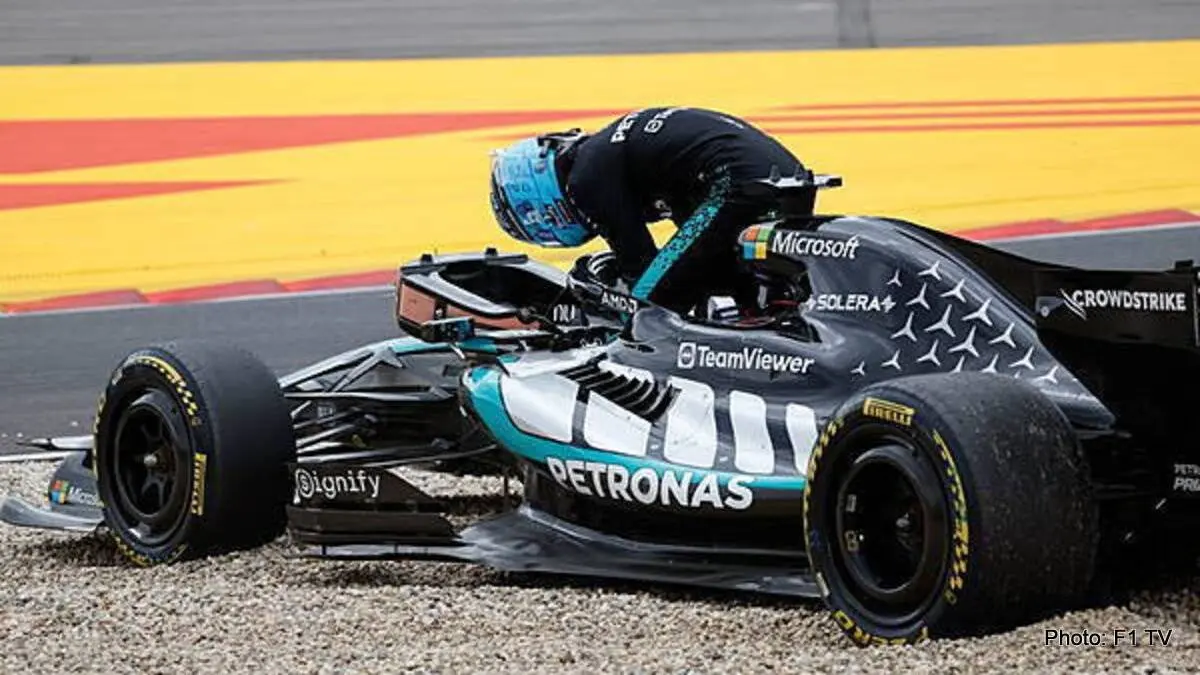
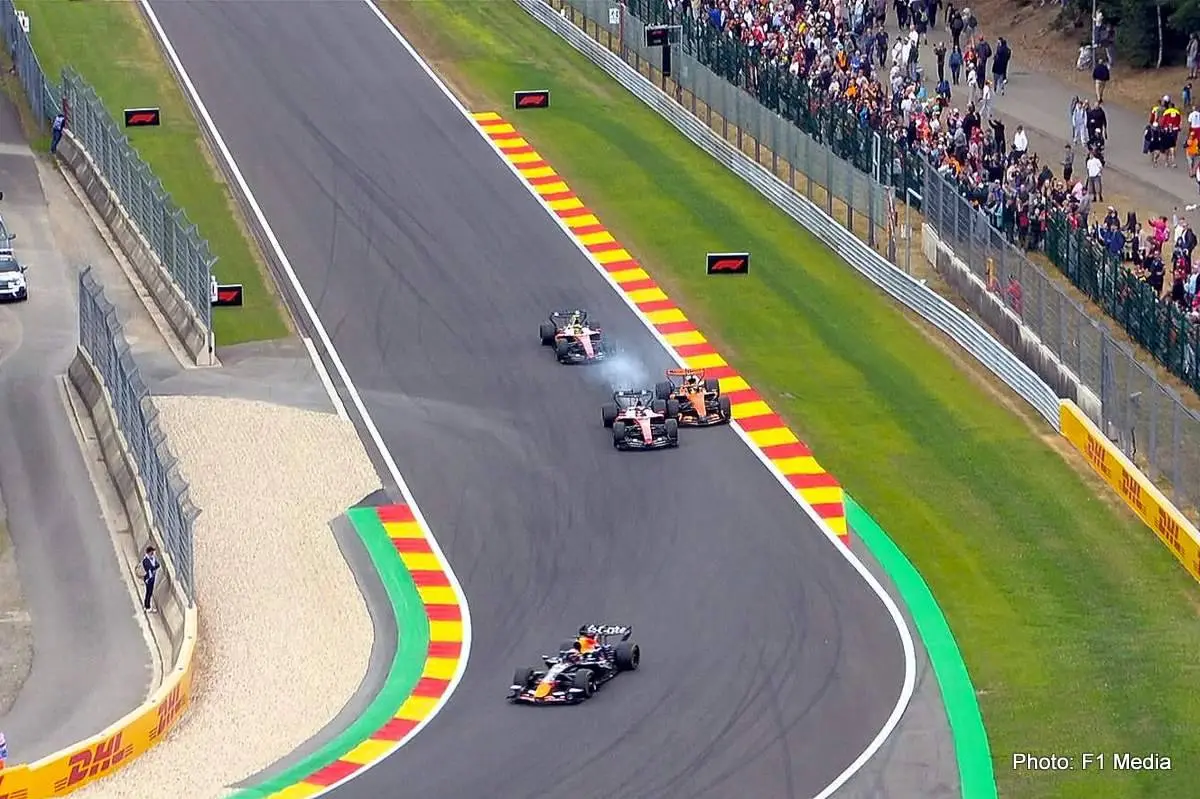
Just when you think the script is set, Formula 1 has a penchant for throwing a curveball. The shadow of unpredictability looms large, be it an out-of-nowhere downpour, a safety car deployment, or the heart-stopping moment when carbon fiber meets carbon fiber at 180 mph.
Now, picture this unpredictability juxtaposed with the thrill of predicting outcomes. For many enthusiasts, placing their faith and predictions in a particular outcome adds a layer of personal engagement to the race.
They're not just passive spectators, they're emotionally and intellectually invested. It’s akin to placing a subtle stake on a chess grandmaster's next move, understanding the intricacies of the game, yet reveling in its uncertainties. Watching an F1 motorsports race then becomes a multi-dimensional experience.
The dice rolls, fortunes sway, and just like that, pre-race predictions and fan expectations are tossed to the wind, making every grand prix an adrenaline-packed affair both on and off the track.
The Thrill of the Podium Finish
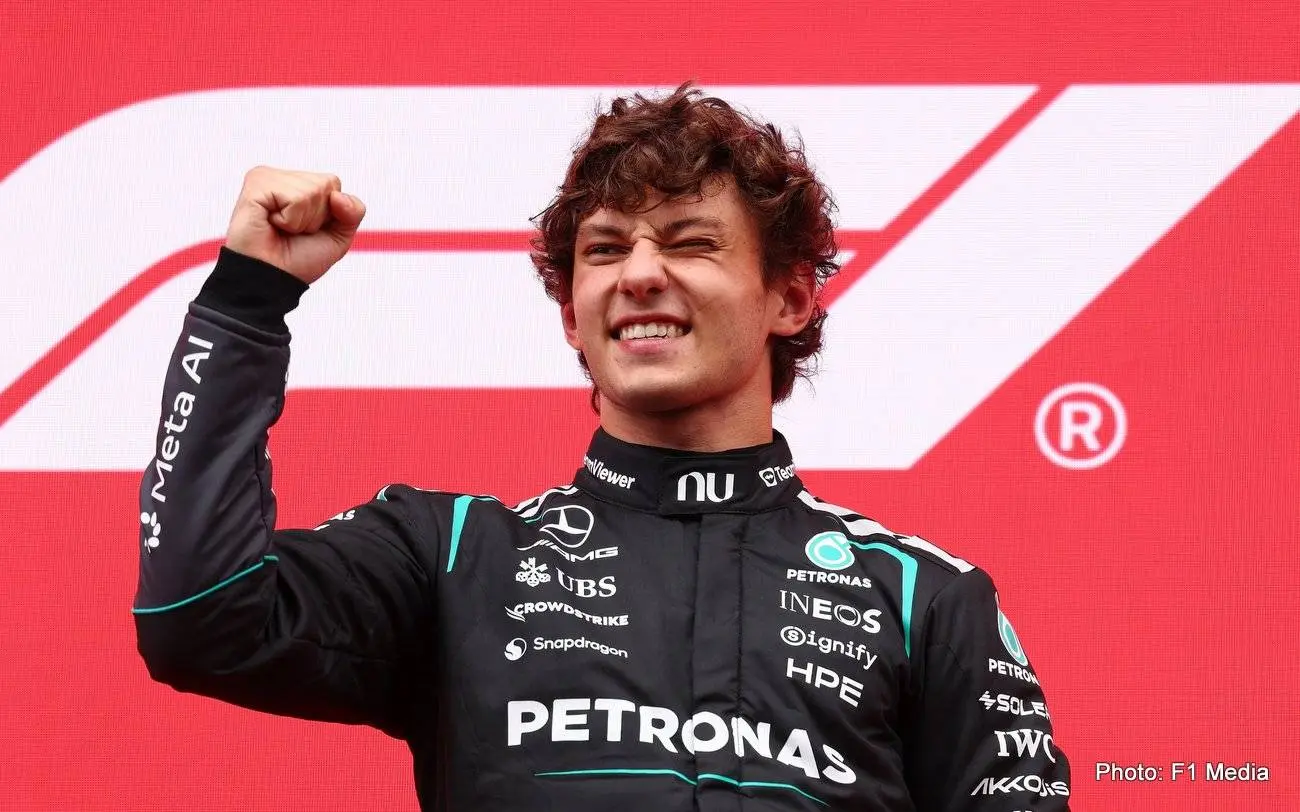
There's something transcendental about that final lap. The culmination of a race's crescendo, where every drop of sweat, every strategy tweak, every rev of the engine converges into a singular moment of triumph.
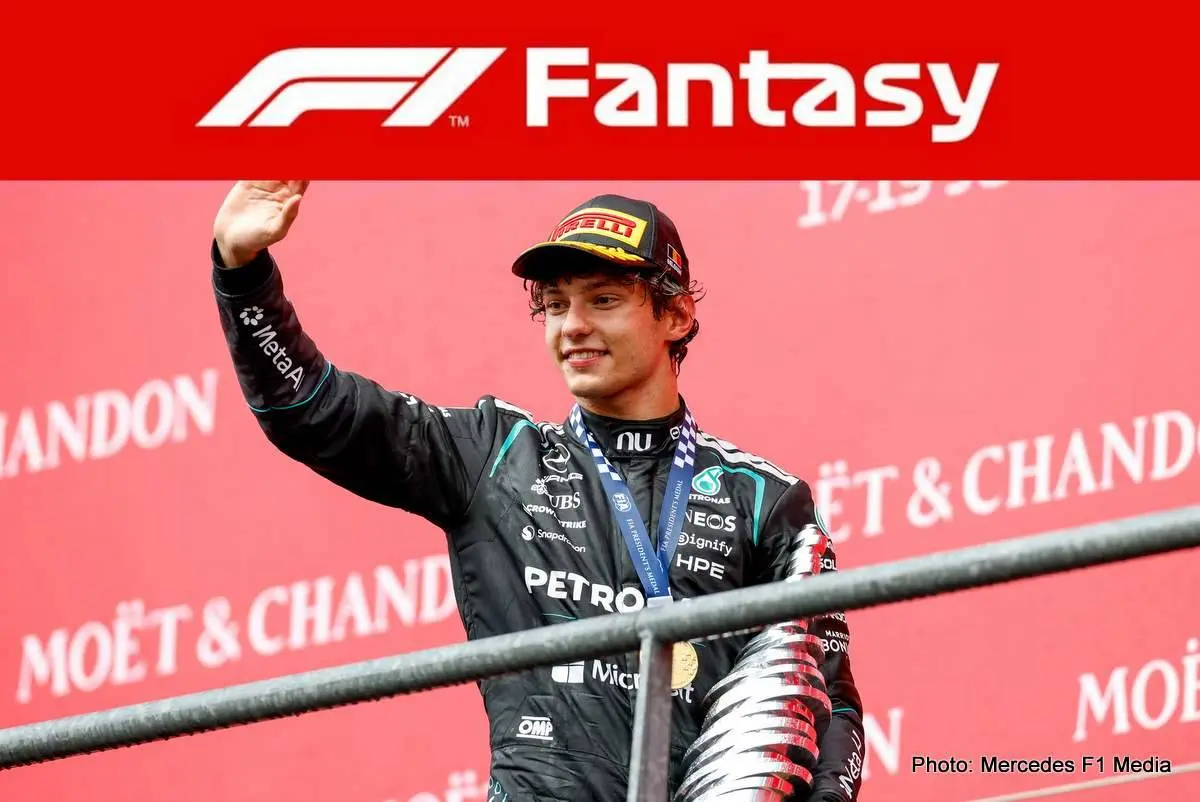
Ascending the podium isn’t just about that one rac, it’s a testament to consistency, adaptability, and the sheer will to overcome adversaries. As champagne sprays and anthems play, it’s a poignant reminder of the amalgamation of man, machine, and the relentless pursuit of excellence.
Latest News
Loading