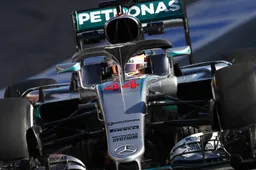
A host of changes to rules will come into effect for the 2017 Formula 1 season, including massive downforce gains expected to decrease lap times by around five seconds, which in turn will influence the type of tyres that Pirelli need to develop to adapt to these changes.
Pirelli motorsport chief Paul Hembery told ESPN, in a wide ranging interview, that the 'new era' comes with a number of challenges, both positive and negative, for his technicians to overcome.
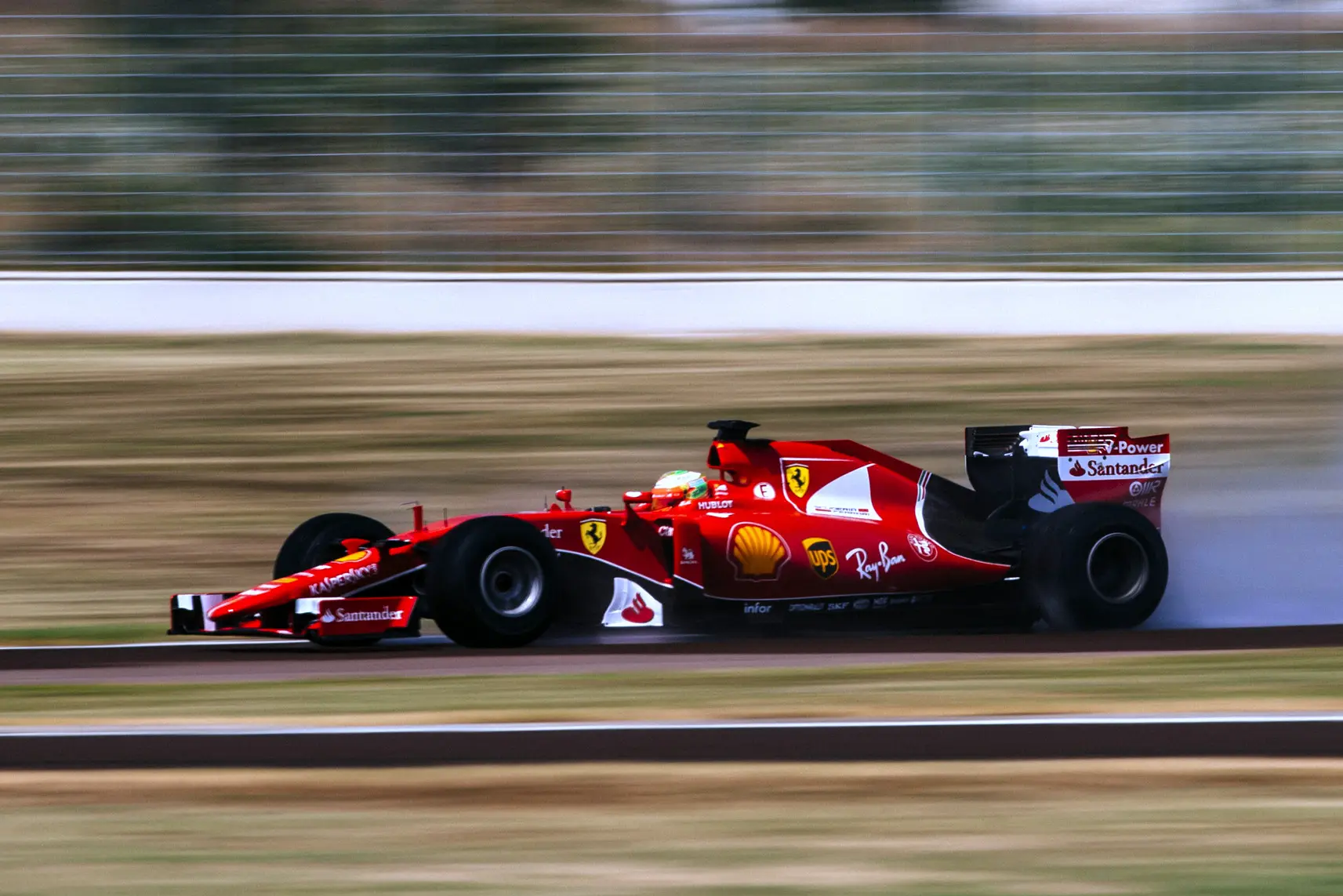
"The good news is, we do have a test programme," Hembery acknowledged. "As we've made people aware, we have started a 24 testing day programme split equally between Red Bull, Ferrari, and Mercedes, who have kindly supported us by developing a version of the 2015 car with an aerodynamic package intended to simulate what will be the effect of the 2017 rule regulations. This of course is a huge step forward. We're making such a dramatic change to the tyre width."
As for the main challenges facing Pirelli, he revealed, "The downforce increases are substantial. The performance requirements are to improve by five seconds compared to the 2015 lap times. In reality, having seen maybe a two-second improvement already this season, next year it is likely that we will substantially improve on the lap time."
"The initial simulation data that we have would suggest, as I say, that would be easily surpassed. Of course we won't actually see the real cars until we get through to pre-season testing next year. The change is vast, increasing the width of front and rear tyres by six and eight centimetres respectively, which looks good. It makes the cars look very dramatic, with both the front and rear track increased by 20 centimetres each."

"The intention there is that it will make it easier for teams to overtake; if they're following another car [we want to ensure] that the tyres won't reach a temperature peak, which has stopped the drivers from overtaking on some occasions. Of course, that will only work if we also reduce the impact of the weight of the aero of one car from another. The suggestions are that that will be improved in the aero. I wouldn't say there is universal opinion on that."
FIA have granted Pirelli a number of in-season testing options - happening from now onwards - but is it enough considering the extent of changes being introduced?
"I think if you said to somebody: how should you do it correctly?" said Hembery, "You'd go to a circuit where you race so you have all the data, and you'd go in conditions that represent the conditions that you're going to race in."
"In January and February, we will have a good indication when we do our testing now with the three teams. "We've tested at Fiorano and Mugello in early August, where the temperature at the moment is very, very warm. So we will start to get some very clear indications of testing with the mule cars that we have this year. As I said, there is no substitution for getting on the actual cars, which we will get next year and at the moment we're undecided where the locations are.
"From a purely tyre-maker perspective it would be better to be in somewhere warm during that period of time. In the past few years we have been to Bahrain, which allowed us to have a clear indication of the tyre performance at much earlier stage. I understand that teams believe there is a certain cost penalty for doing that, but then again it is a sport that has a few billion spent on it. If the willingness is there I'm sure the funding can be found.

"One session in Bahrain would already be a big step, so we would know where we are during the season," Hembery continued. "That might not be able to affect what we do for Australia, but it means we can start working earlier if there are changes needed. We're obviously aiming not to make changes, however the changes are so important that there may well be things that we understand only by going on the track with the 10 or 11 different chassis that we have in Formula One."
"We can do a lot with simulation and indoor drum testing. You do the majority of work there, but the interaction between car, tyre and tarmac still requires going out and testing and looking at the tarmac. If that's all been changed, it changes completely the dynamic of the package. In reality you still need to go out on the track and do that testing.
"We need to have a good understanding how the compounds are working to understand if we've got the scaling right between them, if we have the degradation levels right or whether it's too low or too high. [The teams] are still asking for two-stop strategy, which will become harder with less degradation -- why would you change your tyres? At the moment it is primarily due to performance.
"If we want to have a quicker understanding of how the tyres or compounds in particular are performing, we would need to go to somewhere like Bahrain as early as possible."
Latest News


Loading