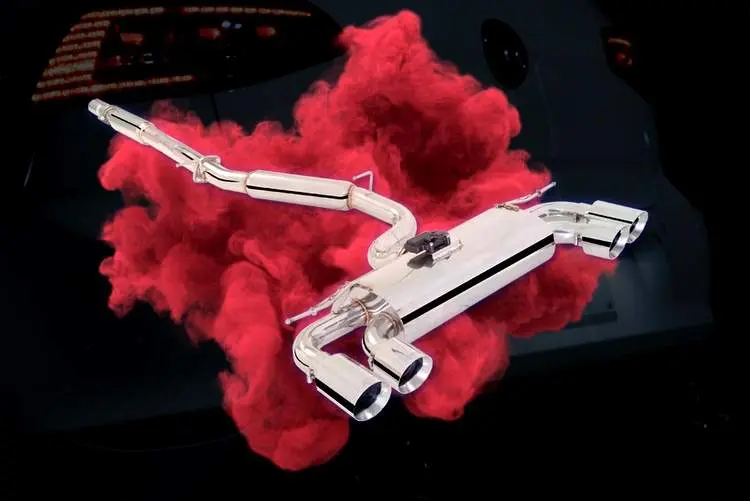
When it comes to improving vehicle performance, the exhaust system is one of the first areas enthusiasts focus on to get instant results.
Whether you're looking for a more aggressive sound, better fuel efficiency, or an increase in horsepower, a well-chosen exhaust system can deliver on all fronts. However, with numerous options on the market, knowing what to look for before purchasing is crucial.
What Is an Exhaust System?
The exhaust system is an essential component of a vehicle, responsible for directing and controlling the gases emitted from the engine. When fuel is burned inside the engine, it creates gases that must be safely vented out of the vehicle. The exhaust system also plays a role in minimizing noise and controlling harmful emissions.
In a standard factory vehicle, the exhaust system is designed with economy and emissions regulations in mind. While these systems are efficient, they aren’t always optimized for performance. This is where performance systems come into play.
Types of Performance Exhaust Systems
There are different types of performance exhaust systems available, each designed for specific needs and performance goals. The most common are full exhaust systems and cat-back systems.
Full Exhaust System
A full exhaust system replaces the factory system from the engine all the way to the tailpipe. This typically includes the headers, catalytic converter, mid-pipe, and muffler. A full system allows for a more significant increase in performance since it optimizes the flow of exhaust gases from start to finish.
Advantages of a full exhaust system include:
- Increased horsepower and torque.
- Improved exhaust flow, reducing back pressure.
- Enhanced sound quality.
- Potential improvement in fuel efficiency.
However, installing a full exhaust system can be more expensive and may require professional installation. You’ll also want to ensure the system complies with local emissions laws, as some modifications can make the vehicle non-compliant.
Cat-Back Exhaust System
A cat-back exhaust system starts at the catalytic converter and extends to the rear of the vehicle. This type of system is popular among enthusiasts because it can offer noticeable performance improvements without replacing the catalytic converter.
Cat-back systems typically include:
- Mid-pipe.
- Resonator.
- Muffler.
A cat-back system is a more cost-effective option than a full exhaust system but still provides improvements in sound and performance. You may not see as significant an increase in horsepower as you would with a full exhaust system, but it is still a worthwhile upgrade, especially for those looking to enhance their vehicle's sound profile and flow without breaking the bank.
Benefits of a Performance Exhaust System
Upgrading your exhaust system can provide several benefits, whether you opt for a full exhaust system or a cat-back exhaust system. Here are some of the most common advantages:
1. Increased Horsepower and Torque
One of the most notable benefits of upgrading to a performance exhaust system is the potential increase in horsepower and torque. A well-designed system can reduce the restrictions on exhaust flow, allowing your engine to breathe better. This improved airflow can translate into more power, particularly at higher RPMs.
2. Enhanced Sound
Many performance exhaust systems are designed to enhance the sound of your vehicle, giving it a more aggressive tone. Whether you’re looking for a deep rumble or a high-pitched roar, there are systems available to match your desired sound profile. The sound can vary based on the material of the exhaust, the type of muffler, and other components.
3. Better Fuel Efficiency
While this benefit depends on driving habits and the specific system installed, some performance exhaust systems can improve fuel efficiency. By reducing back pressure and improving exhaust flow, your engine may not have to work as hard to expel gases, leading to a more efficient use of fuel.
4. Improved Aesthetics
In addition to the performance benefits, many performance exhaust systems come with polished tips or stainless-steel finishes that can enhance the visual appeal of your vehicle. These aesthetic upgrades can be a subtle but noticeable improvement to your car’s overall look.
What to Consider Before Buying a Performance Exhaust System
Before purchasing a performance exhaust system, it’s essential to consider several factors to ensure you choose the right setup for your vehicle and needs.
1. Material and Construction
The materials used in the construction of an exhaust system can significantly affect its durability and performance. Common materials include:
- Mild Steel: Generally the most affordable option, but prone to rusting over time.
- Stainless Steel: A popular choice for performance exhaust systems due to its durability and resistance to corrosion.
- Titanium: Lightweight and extremely durable, but also more expensive. Titanium systems are typically reserved for high-performance and racing applications.
Stainless steel is often the best balance between cost and longevity, providing excellent durability for most drivers.
2. Legal Considerations
Before upgrading your exhaust system, it's crucial to consider local noise and emissions regulations. Some performance systems, especially full systems, may not comply with emissions laws in certain areas. Additionally, excessively loud exhausts can result in fines or even being banned in some jurisdictions. Be sure to check local regulations and ensure your chosen system is compliant.
3. Fitment
It’s essential to select an exhaust system that is specifically designed to fit your vehicle's make and model. Universal systems may require additional modifications, which can increase the cost and complexity of installation. Purchasing a system designed for your car ensures easier installation and optimal performance.
4. Installation
While some exhaust systems are designed for easy installation and can be installed at home with basic tools, others may require professional installation. This is particularly true for full exhaust systems, which involve replacing multiple components. Be sure to factor in the cost of installation when budgeting for your new system.
5. Brand Reputation
There are many brands offering performance exhaust systems, but not all are created equal. It’s important to choose a reputable brand with a proven track record of quality and performance. Reading reviews, checking for warranties, and consulting with other enthusiasts can help you make an informed decision.
6. Your Driving Goals
Finally, consider your driving goals when choosing an exhaust system. Are you primarily looking for improved sound? Are you hoping to boost your vehicle's performance on the track? Your objectives will help guide you toward the type of system best suited for your needs, whether that’s a full exhaust system for maximum performance gains or a cat-back exhaust system for a balance of sound and efficiency.
Final Thoughts
Upgrading to a performance exhaust system is an exciting way to enhance your vehicle's performance, sound, and overall driving experience. Whether you choose a full system or a cat-back system, the key is selecting one that fits your specific goals and needs.
Be sure to research your options thoroughly, consider all the factors mentioned above, and, most importantly, enjoy the new roar of your ride!
By understanding the differences between types of systems, considering important factors such as material and fitment, and aligning your choice with your performance goals, you’ll be able to make an informed decision that maximizes the benefits of your new exhaust system.
This guide is provided for our Formula 1 readers and F1 fans interested in Performance Exhausts: What You Need to Know Before Buying.
Latest News










Loading