As the Belgian Grand Prix closed off the first half of the 2024 Formula 1 season, this seemed an apt way to describe events to date.
I still believe Red Bull Racing and Max Verstappen’s names are already on the respective F1 Constructors' and Drivers' World Championship trophies. However, the dominance seen in previous years is clearly over.
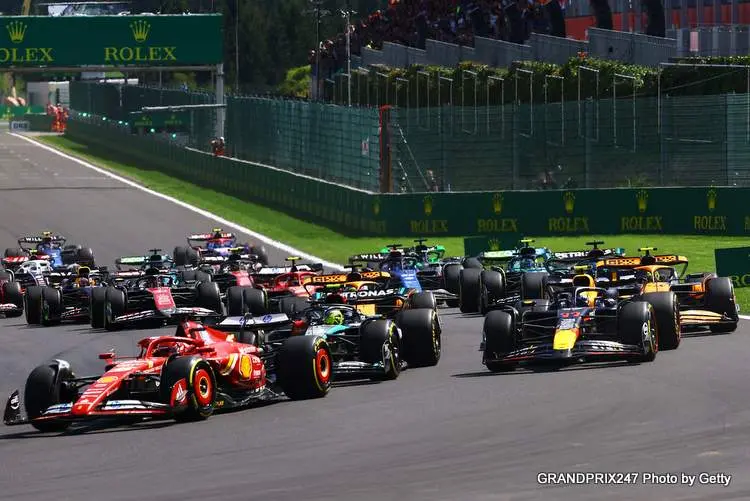
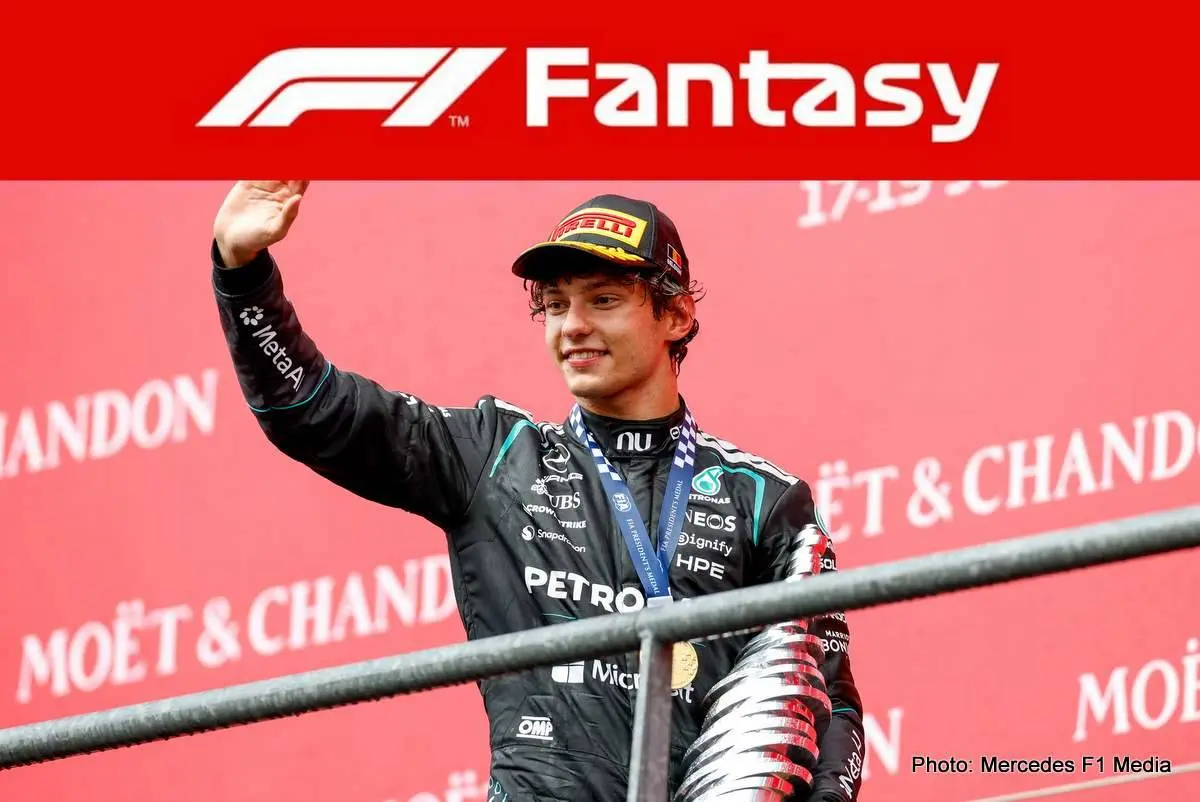
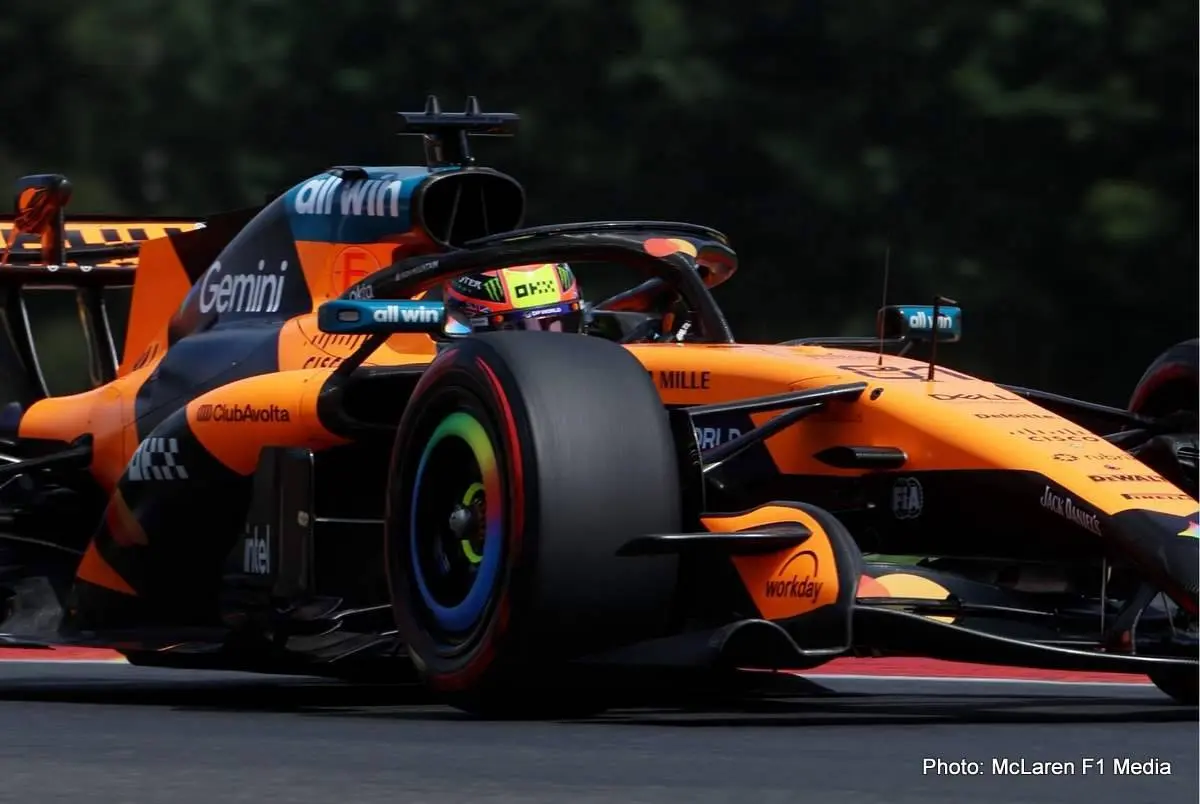
Spa underlined the fact that there are now three F1 teams capable of winning a race and the RB18's and RB19’s secret sauce is no longer a secret. Both McLaren and Mercedes now seem to have the recipe, with the former appearing to have made some further refinements.
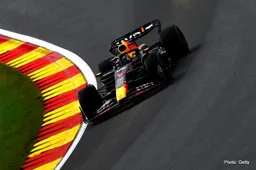
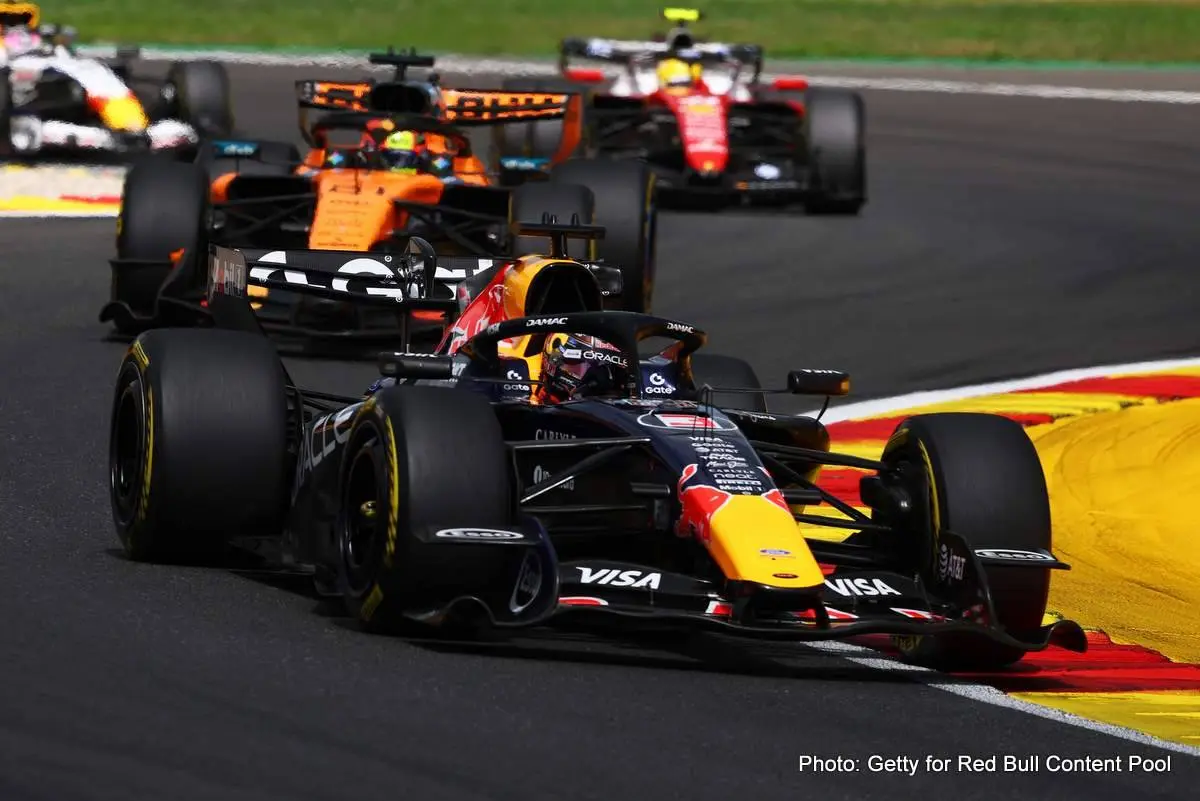
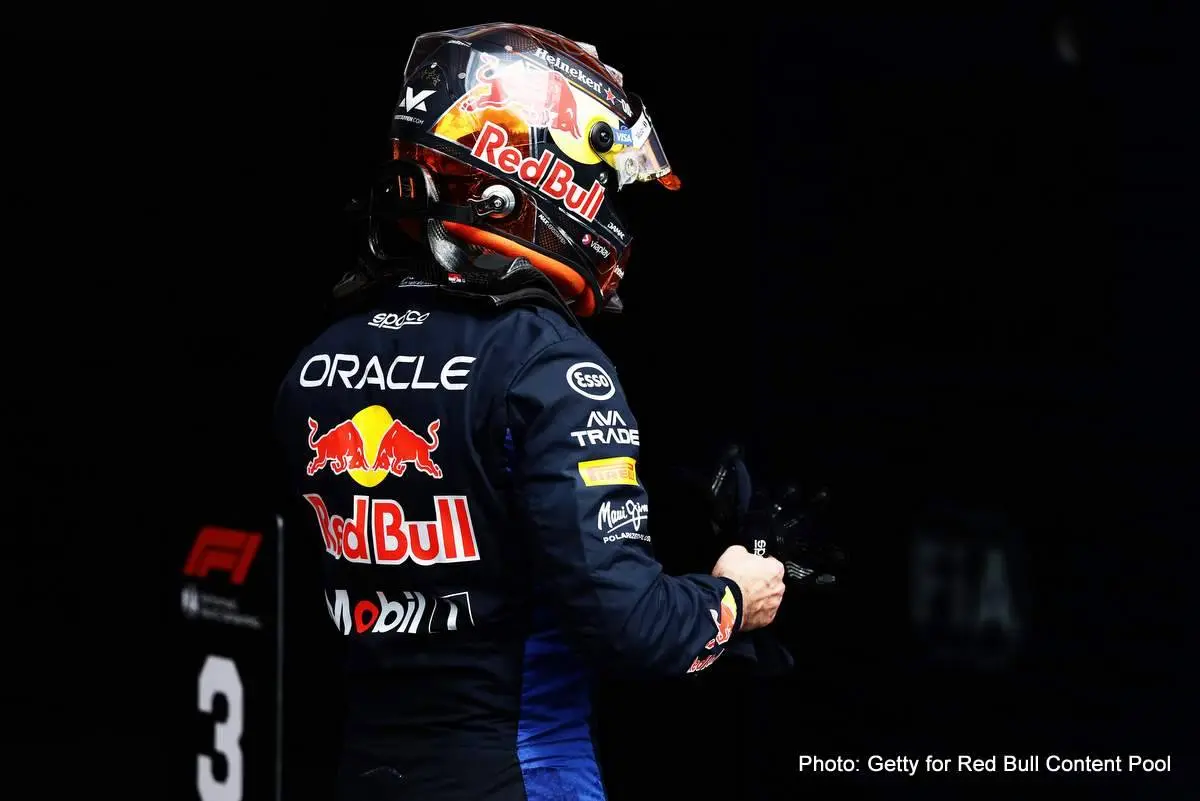
Max qualified on pole and drove an excellent race, but it did put his contribution to his wins in 2022 and 23 into perspective. No more all-conquering drives from the middle of the grid here.
Air pollution
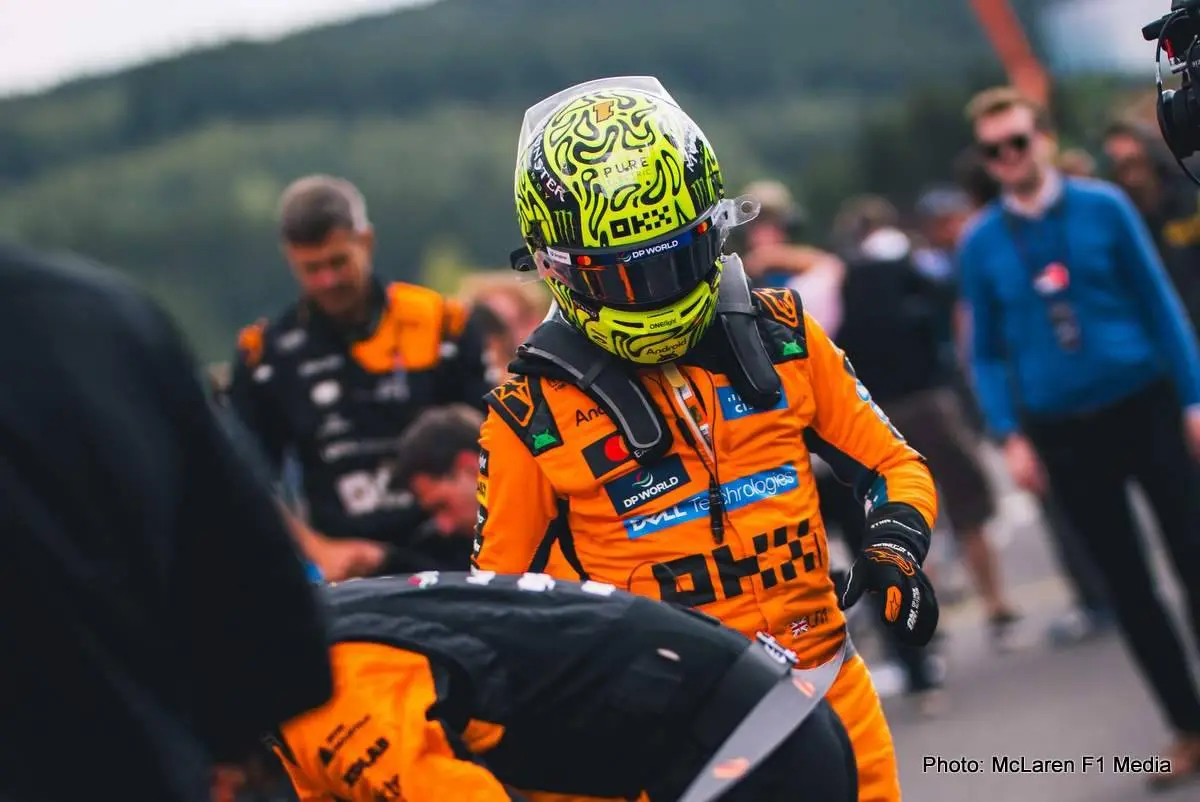
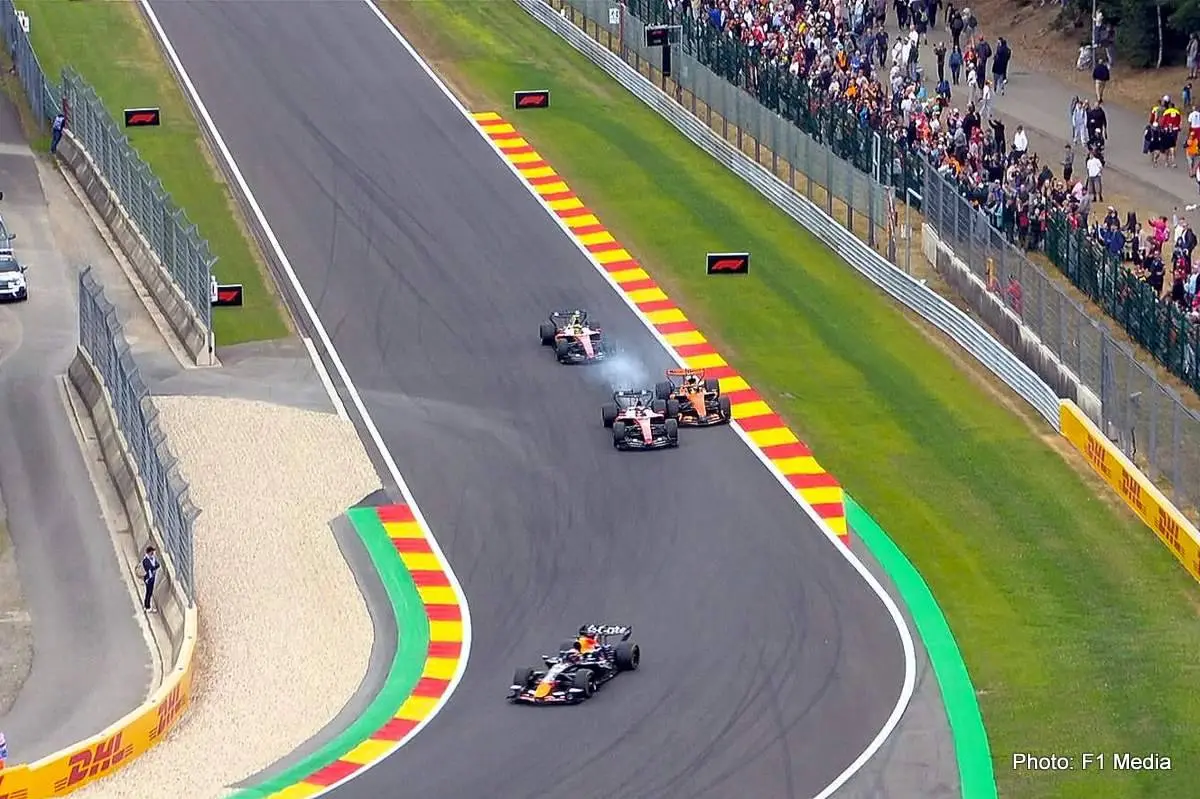
Max’s relatively low finishing position highlighted a key failure of the 2022 F1 regs: to provide clean air for the car behind. The teams have successfully neutralized that objective with various aero innovations. The current tyre degradation design amplifies its impact, hence Oscar Piastri’s comment when leading the race that "Clean Air is King".
Tyre teaser
Talking of tyres, all the teams seemed to have been wrong-footed on this subject at the weekend. Lack of dry running leading up to the race led them to believe that degradation would be high. The opposite proved to be the truth once the track had “rubbered in”! A state that had not occurred until race day, due to the persistent rain washing it received at the hands of Spa’s micro-climate.
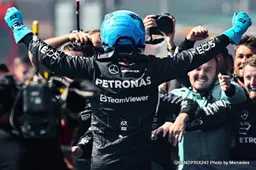
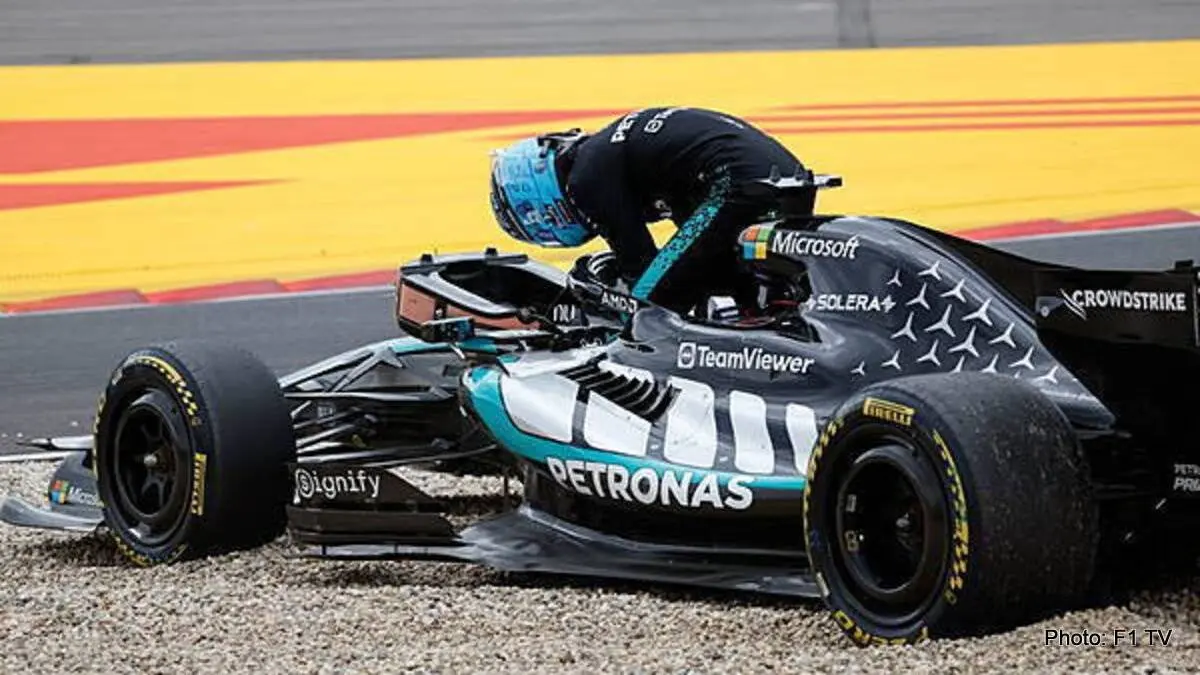
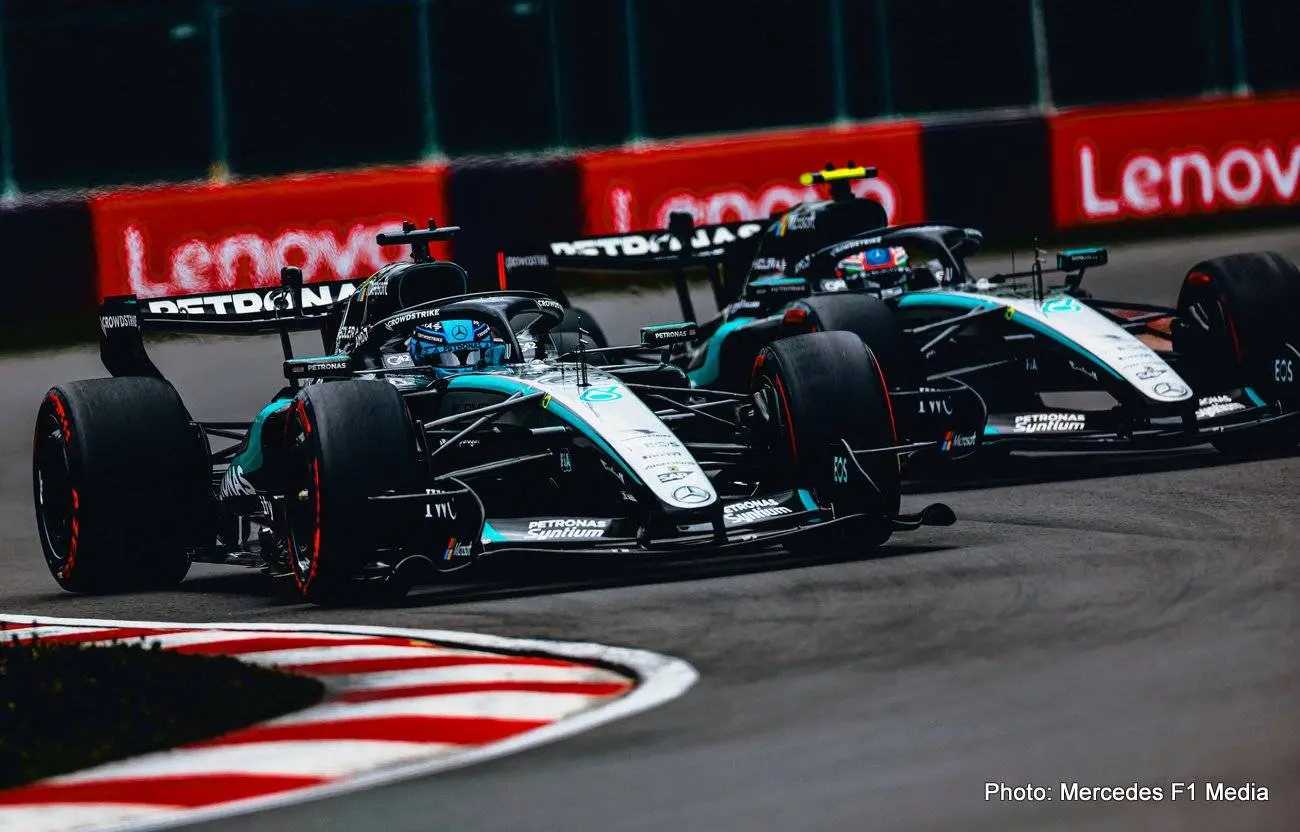
However, no one made the schoolboy error level mistake of Mercedes-AMG on George Russel’s tyre weight degradation. This is not an “unknown unknown” area. Teams have been calculating this, together with cool-down lap “pick up” and other parameters for years to ensure they were not underweight at the post-race scrutineering. Even George should have known this and, maybe, posed a question to the team. Hindsight and all…
Tail wagging the dog
To be fair to Russel, the team should not have asked him if he could do the distance before checking the calculations. Few race drivers can resist this kind of challenge, especially when they can sense the glory of pulling off a win against almost impossible odds. In this instance, the opportunity to stick it to a teammate who had been handing him his backside recently turbocharged the situation —double prizes!

Duh…
I have no doubt that the penny eventually dropped on the Mercedes AMG pit wall at some point. Quite when I don’t know, but I suspect towards the end of the race. A quick calculation probably revealed that bringing him or being disqualified was a zero-sum calculation in point terms. A better strategy was to try and blag the scrutineer at the end of the race. It would seem they gave it a go by forgetting to remove all the fuel.
Oops, did we not...?
Unfortunately for George, an FIA Steward, with his freshly sharpened pencil, had a keen eye for detail. If nothing else, this failed attempt proved that the team’s calculators were working. The fuel left-in equalled the exact amount car 63 was underweight! Someone had fallen asleep at the metaphorical wheel when giving George the green light to stay out.
Game of two halves
Normally, I would say in racing, there’s no such thing as a good or bad win; there's only winning. However, after the results of the last two weekends' F1 Grands Prix, I’m thinking of adding an exception. Thankfully the teams and drivers now have the summer break to reflect on some of these faux-pas and avoid them in the second half of the season.
Latest News
Loading