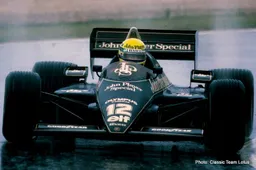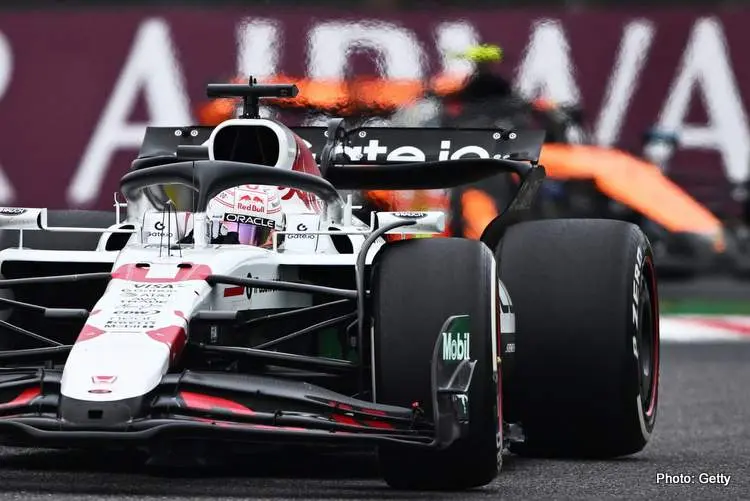
Despite the hype surrounding Max Verstappen’s and Kimi Antonelli’s achievements, the Japanese Grand Prix was a soporific race. Unfortunately, this trend is only likely to get worse as the season progresses.
The closing races of last season indicated that Formula 1 in 2025 would deliver a standout year. The convergence in car performance, as we entered the final term of the 2022 regulations, suggested it would be one of the tightest championships in recent history. However, after only three races, a clear pattern has emerged.
Gimme a break. Last year, Oscar Piastri coined the phrase, “Clean air is king.” Following on from the various teams' winter aero developments, we can now add to that and say, “Clean air guarantees victory.” That or qualifying on pole and exiting turn one first and intact. Lewis Hamilton proved in China that even a Ferrari in cold weather can look like a championship-winning car if it achieves the latter.
Competition is the mother of invention. Despite the FIA’s best efforts to thwart this aerodynamic condition with the Formula 1 regulations, the root of the problem is no secret—dirty air. The team’s cunning engineers and designers, of course, have figured out ways to circumvent them to gain a competitive advantage. Such is the nature of the F1 beast.
Playing dirty
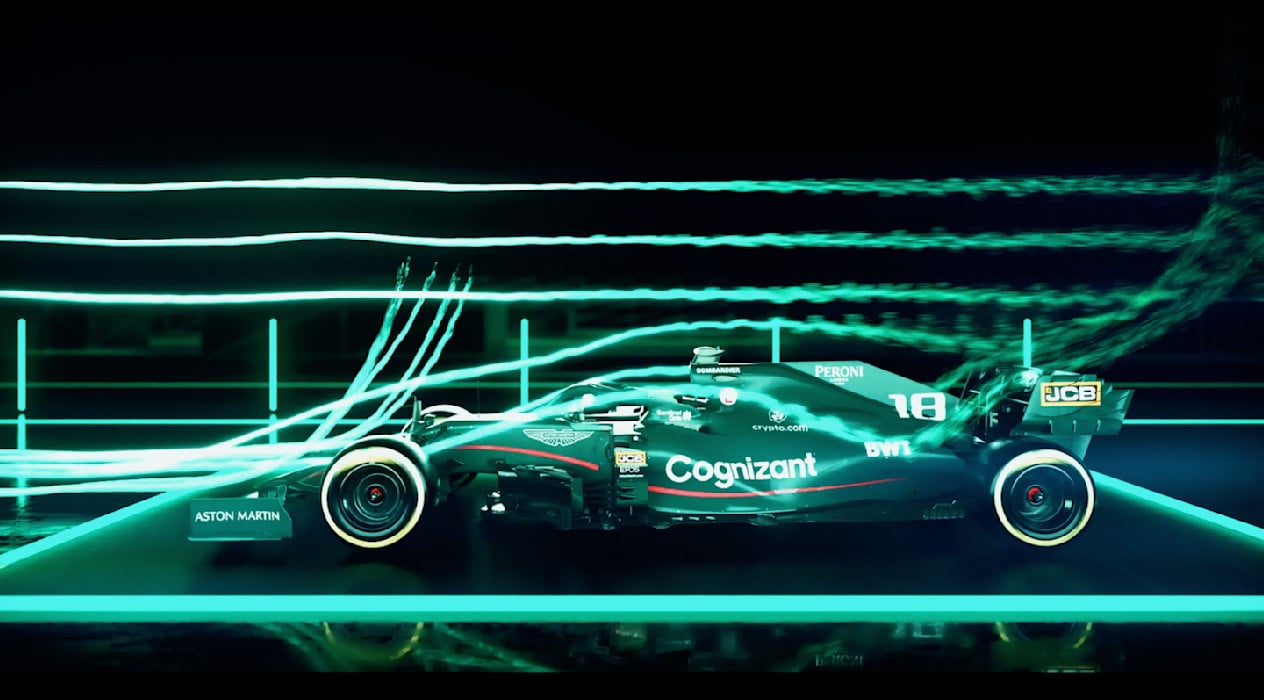
While the primary manifestation of this Formula 1 aerodynamic problem is the flexing of wings – a phenomenon that is difficult to legislate and control - other “devices” and design innovations have exacerbated the problem by increasing the “outwash. "
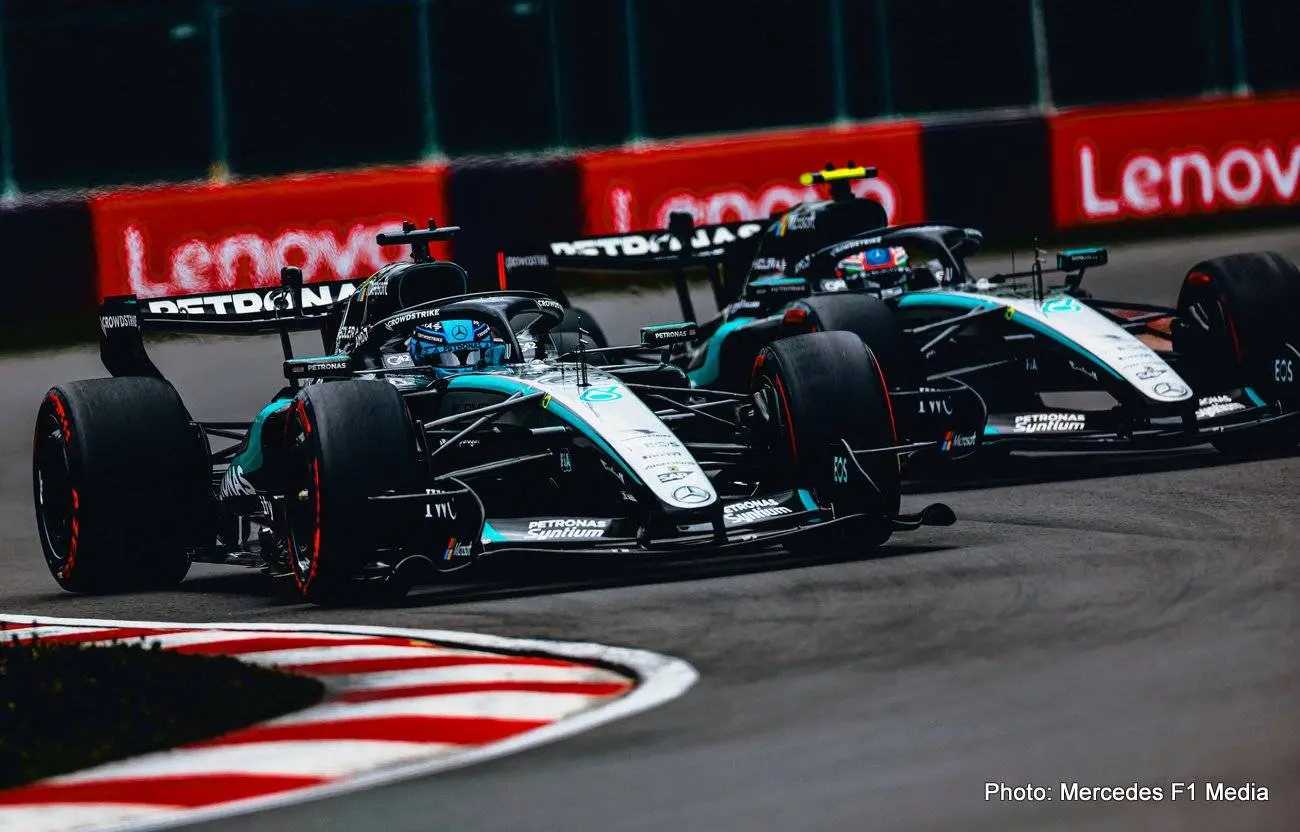
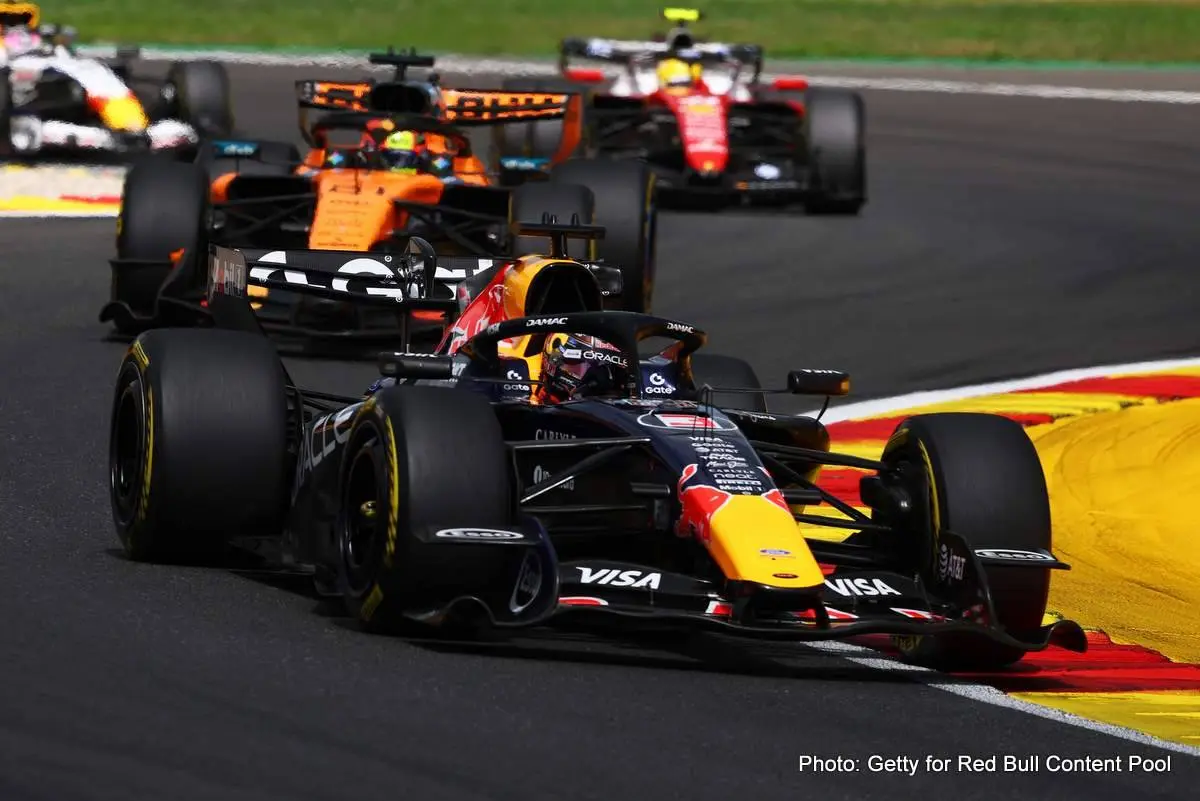
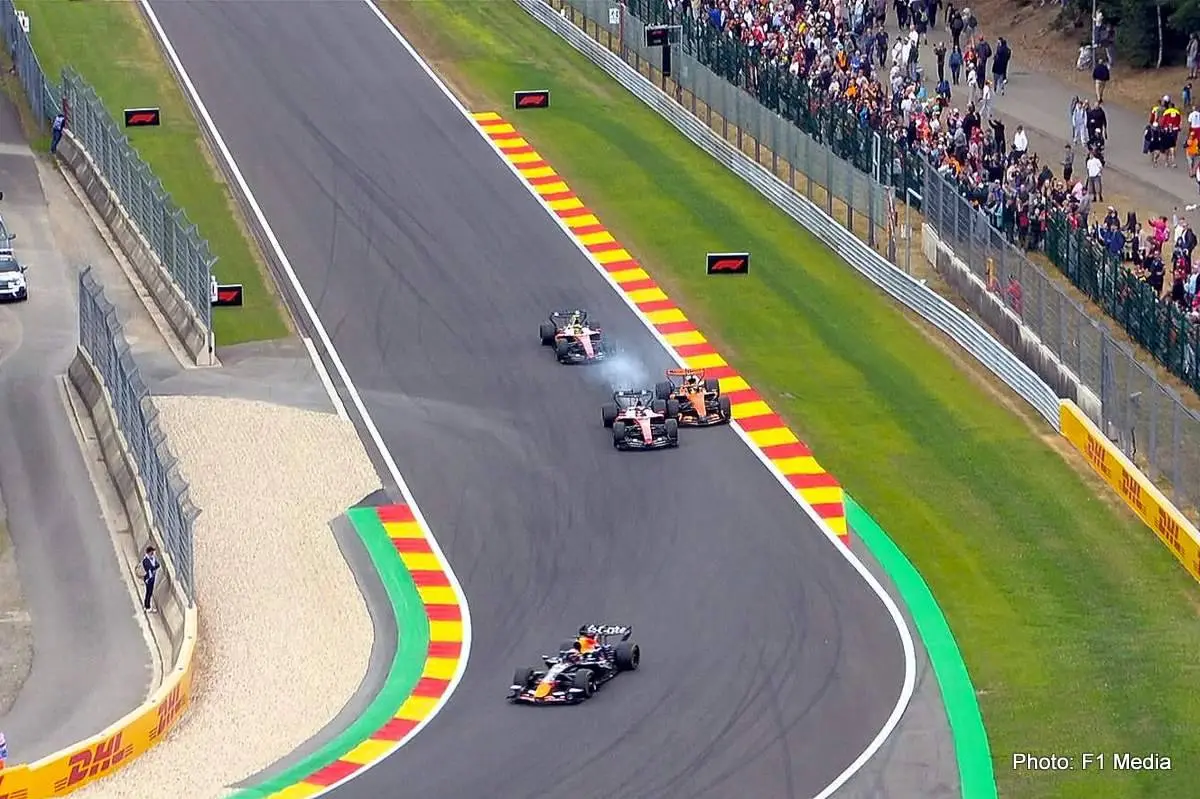
All of these factors contribute to a wake of dirty air that affects any car following within proximity of three to four seconds. This may sound dramatic, but when the first two rows of the grid are separated by hundredths of a second, it is a critical factor.
Hanging on to the car in front then requires greater reliance on mechanical grip. However, this results in the tyres wearing out at a faster rate, quickly nullifying any advantage of having fresh rubber. If the DRS zone does not deliver the speed differential for long enough, you have what happened in Suzuka. That is the top six qualifiers finishing in the race in the same order.
In conclusion, this means that the Formula 1 World Championship has pretty much become a qualifying competition, a sentiment echoed by Ferrari team principal Fred Vasseur earlier this week. This is in opposition to the close racing spectacle the season initially promised. We can only hope that Bahrain proves otherwise!
Latest News
Loading