Last weekend’s Emilia Romagna Grand Prix showed us what Formula 1 should be: drivers racing each other rather than gaming the rules.
Imola provided some well-earned respite for the Stewards from the nightmare of adjudicating track infringements. To my knowledge, there was not a single call in this respect across the entire weekend.
Instead, the track did its job, together with forced cooperation from the drivers, as nature intended.
Asleep at the wheel
This novel approach also seemed to enhance the competition. Traditionally, there is little passing at this Italian track, either occurring or expected.
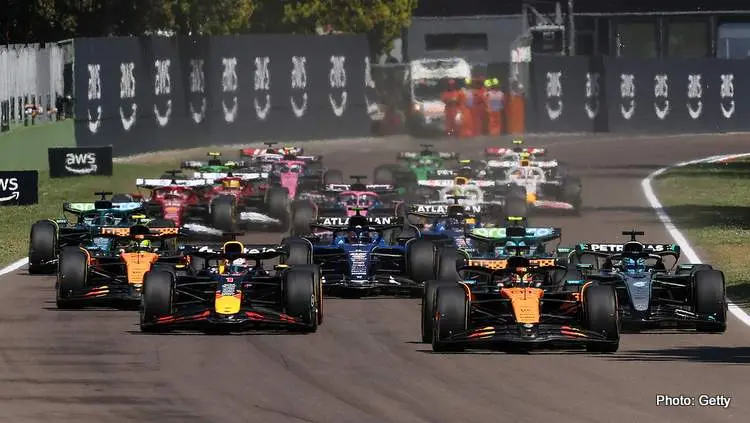
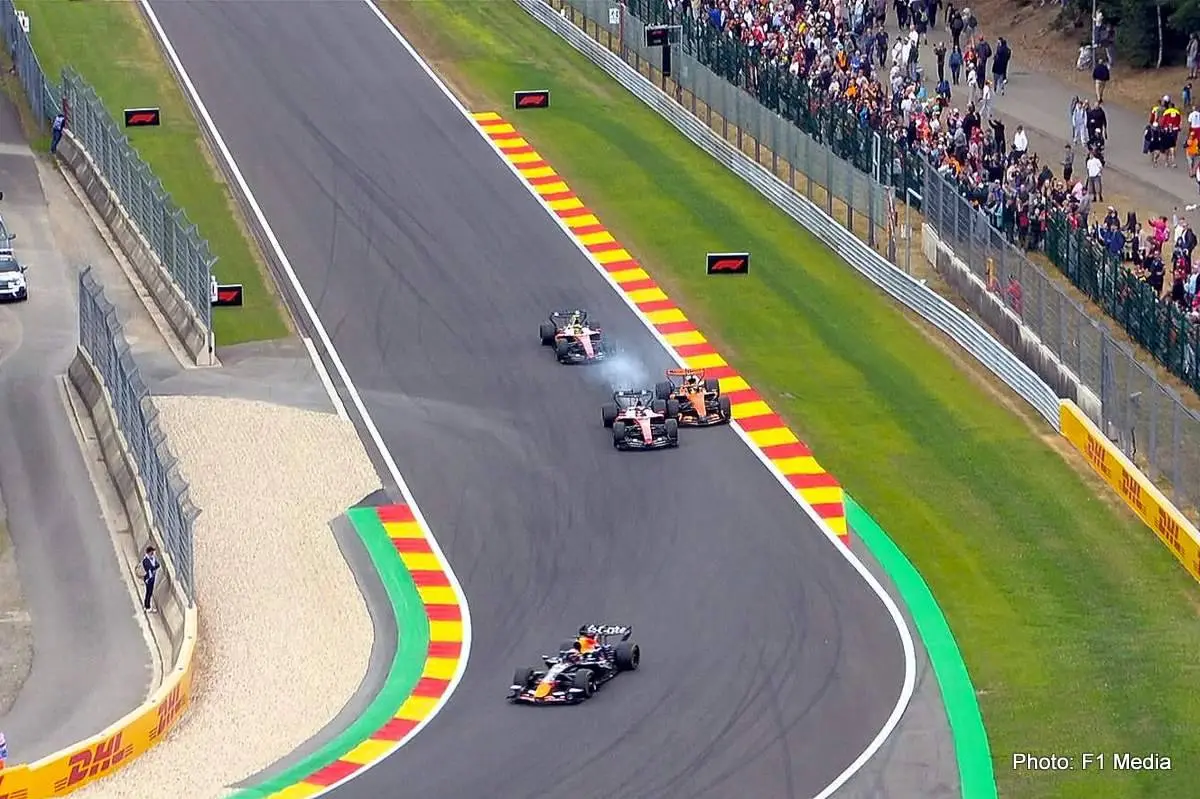
Sure, the race was not an overtaking fest, but it did produce more than its fair share of ballsy, entertaining moves. One of which was the start at turn three, where an overthinking Oscar Piastri allowed Max Verstappen to steal the lead and the victory.
George Russell’s radio message best summed it up: “Piastri, what are you doing?!” You still need to send it into the first proper corner, even if you're on pole, and especially when it’s Max next to you!
Luckily, the young Aussie is no fool, and unlike his teammate, he doesn’t require a second lesson. This is fortunate since Verstappen is not in the habit of giving second chances either.
Dicing Deference
The drivers also discovered a healthy respect for each other and the track limits at Imola. This, in turn, allowed them to take chances that they would generally defer for fear of contact or being shoved off the track.
Again, another example of the natural features of the circuit's verges promoting real racing values and theatre.
Has anyone seen my downforce?

On another note, Imola also showcased a dangerous problem, although not of the track’s making. The culprit is our current set of regulations relating to ground effect delivering the majority of the aero downforce.
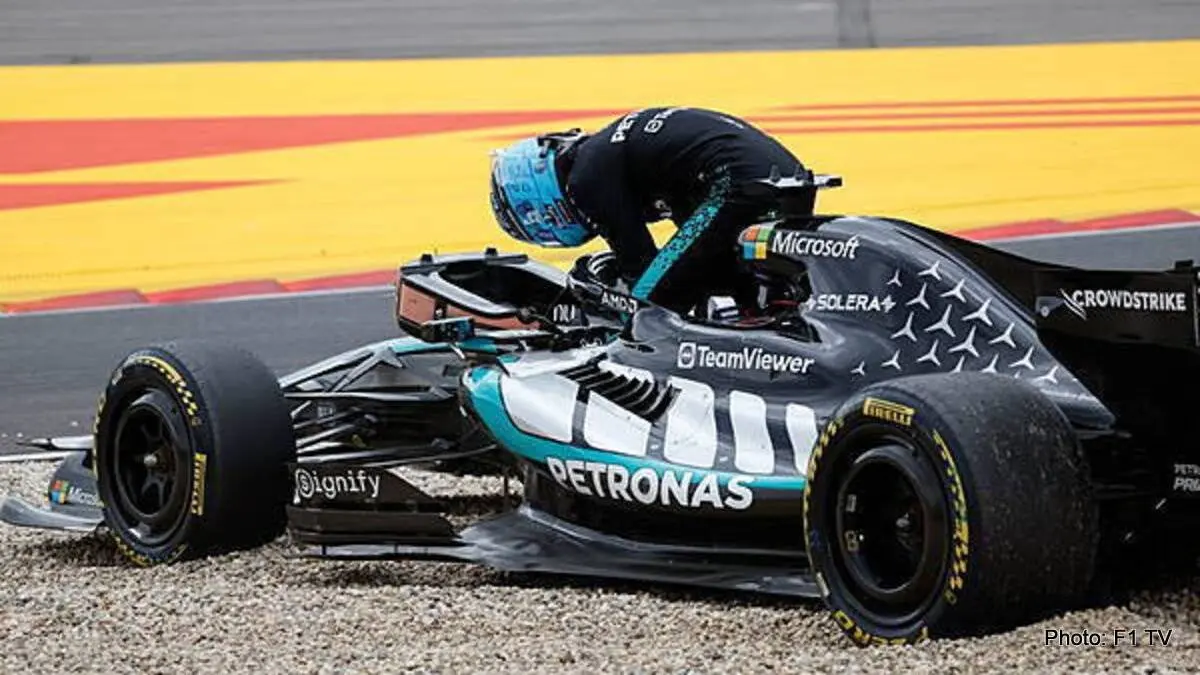
Yuki Tsunoda’s accident demonstrated what happens if you are over-greedy with the kerbs in fast corners, especially with the necessary ultra-stiff set-up to make it work.
Effectively, he bounced off the kerb and broke the air seal between his floor and the track for a fractional moment. This resulted in a catastrophic loss of grip, putting him into a spin. Once the car starts to rotate, there is no chance to regain said downforce – the air needs to enter the car from the front, not from the side, for it to work.
In reality, the car needs to rotate a full 360° before the ground effect could feasibly start to function again. By then, you’re already in the hedge, and it’s no longer required.
This issue seems to be a moot point. Fortunately, the Halo safety device saved Yuki’s day, but if F1 has proved anything over the years, you’re only one step away from a more violent and terminal outcome.
Bon voyage
Ironically, the weekend also marked a departure from this oasis of sanity in the desert of F1 circuits. The Autodromo Internazionale Enzo e Dino Ferrari will not be on the calendar in 2026, or thereafter, for the time being.
Hopefully, the lessons learned are salient for Formula One Management and the FIA. Meanwhile, another old oak is felled for the sake of some weedy new pine trees.
That’s progress, I guess...
Latest News
Loading