Liberty Media’s acquisition of Formula 1 in 2017 was a watershed moment for the top tier of motor racing as it marked the end of the sport being run by motorsport people and a further shift away from its roots.
Those roots are its existence as a sport in the first instance, of course. Arguably, Bernie Ecclestone had already turned it into a business brand many years earlier. Growing Formula 1’s awareness globally and making many F1 team owners, including himself, extremely wealthy.
Then, the TV ratings started to soften, and it was declared that F1 was not attracting younger fans. Ecclestone’s position was very clear here; he didn't care. In his opinion, young people generally had no money, an opinion that was difficult to argue against. Did his crystal ball need repairing?
Even Bernie’s legendary foresight was losing its clarity. Modern technology and social media had changed the money tree’s landscape. It was now a numbers game, and it was Liberty Media who saw where the future of F1’s income stream lay.
Younger fans may not have the wealth, but there are still many of them, and they are easy to tap into with smartphones. Plus, why not expand the female fan base? Broad viewership, followers and the ability to tightly target demographics make you attractive to advertisers’ deep dollar pockets.
Dull performances followed by light at the end of the tunnel

Formula 1 had the backdrop, but unfortunately, not the show. For the short attention span generation, it was not much of a proposition in entertainment terms. Nothing happened for long periods of time, and often, it was all a bit predictable.
Liberty set about this problem almost immediately with the appointment of Ross Brawn as technical director for the Formula One Group. While only Liberty and Brawn know his true mandate, we can speculate that he had one primary goal: to create regulations that make it difficult for one team to win, week in and week out.
Brawn retired in 2022 and handed the baton to Pat Symonds, his former Benetton colleague of “Crashgate” fame, to continue the mission.
Using a combination of tyre degradation design, artificial overtaking mechanisms, race weekend format changes and regulations. F1 is no longer a straight fight between men and their machines.
The FOM technical department has introduced a plethora of influences to the outcome of an F1 race that previously never existed. The 2022 regulations were the coup de grâce to F1’s old racing heritage. The new regulations were a gift to Red Bull Racing.
Formula 1 mission accomplished or a train coming the other way?

Red Bull's ace designer, Adrian Newey, had ground-effect experience from the earlier era. This advantage quickly became apparent in the 2022 pre-season testing and beyond. However, late in 2023, the other teams began to catch up as they better understood how to tame the regulations.
Fast forward to 2024, and convergence is pretty much there. Based on what we have seen in the latter part of the first half of the season, the race winner is no longer a foregone conclusion.
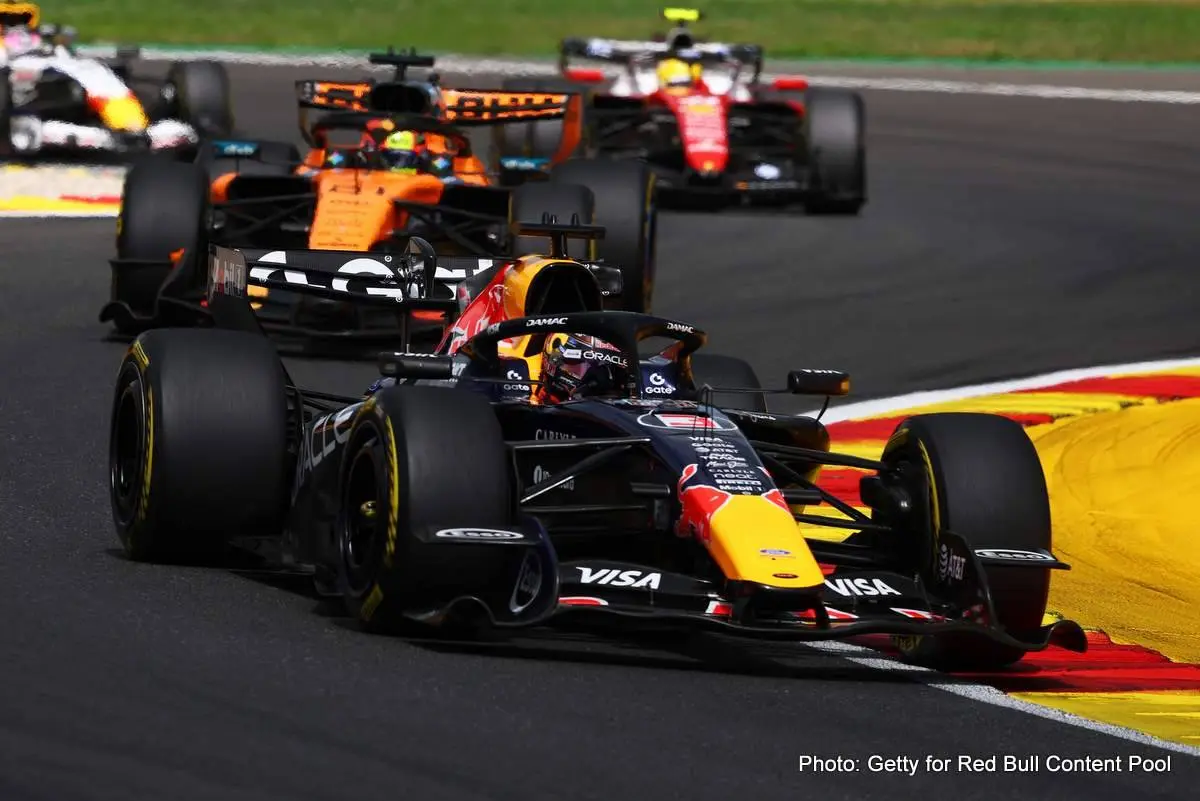
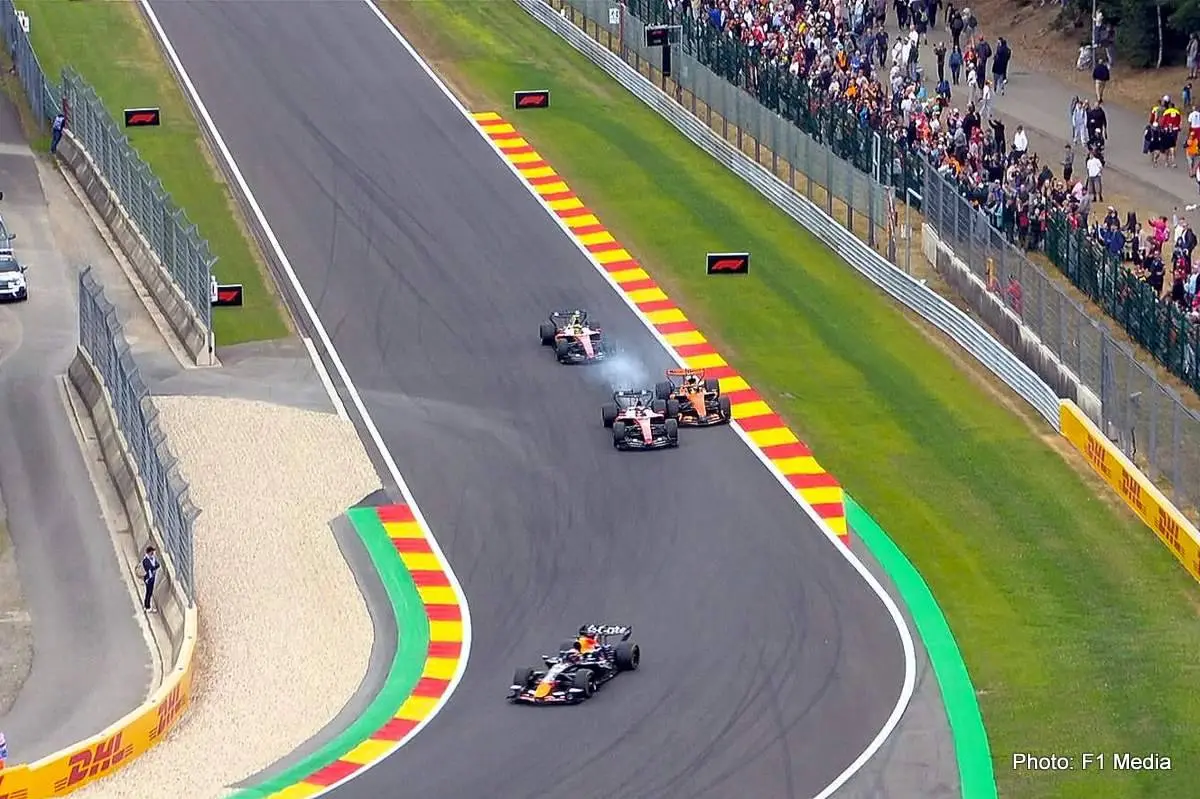
Fortress Red Bull Racing is pregnable, and Max Verstappen has displayed chinks in his armour. At Spa-Francorchamps, the winner took the chequered flag with the second, third and fourth drivers in relative proximity. It may not be pure old-school racing, but it was entertaining!
With FOM now looking at what can almost be described as racing-based entertainment nirvana, it begs the question of why change the F1 regs again in 2026. A move that is likely to hand dominance to a single team once more and create another two-year latency for others to catch up?
Of course, we know the answer: manufacturers and money. I don’t begrudge the last bit, but I would remind those non-motorsport people from Liberty of some words from a man who was and said: In F1, manufacturers are fair-weather friends!
Latest News
Loading