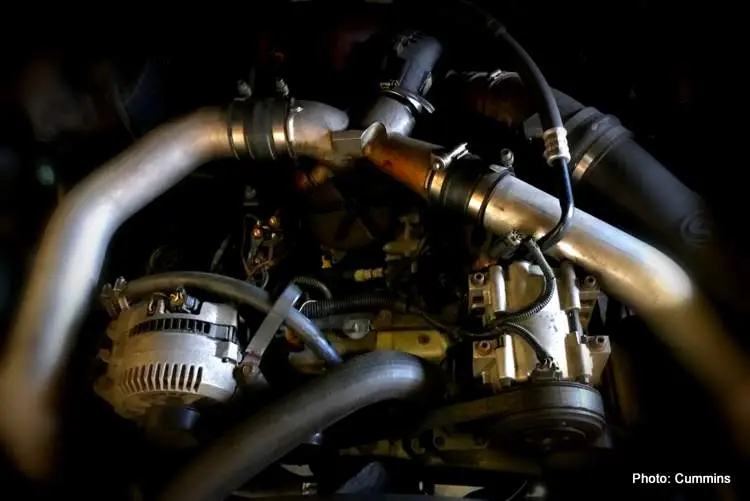
Installing intercooler boots on a 6.7 Cummins engine isn't just a routine maintenance task; it presents its own set of challenges, even for experienced mechanics and for Formula 1 readers of our website interested in the matter.
The 6.7l Cummins is a robust diesel engine known for its power and durability, however, like any other component, its intercooler boots may require replacement over time. Common issues during installation include ensuring a proper fit, dealing with wear and tear on the intercooler itself, and navigating the technical aspects of the installation process.
Considering the force these turbo diesel engines generate, the quality and integrity of the intercooler boots are vital to engine performance. High-quality 6.7 cummins intercooler boot kits are essential to withstand intense pressure and temperature.
The right tools and a clear understanding of the engine's layout are crucial for a successful installation. Mechanics must pay attention to every detail, from carefully removing the old boots to securing and testing the new ones to ensure the engine maintains its efficiency and power.
Key Takeaways
- Proper fit and compatibility are crucial when replacing 6.7 Cummins intercooler boots.
- High-quality intercooler boot kits are essential for maintaining engine performance.
- Attention to detail in the installation process ensures efficiency and longevity.
Evaluating Intercooler Condition and Compatibility
When upgrading to a 6.7 Cummins intercooler, it’s crucial to thoroughly evaluate the existing intercooler's condition and ensure the new system's compatibility. Successful upgrades hinge on meticulous assessment and alignment with the diesel engine's specifications.
Assessing the Condition of Factory Intercooler
Inspecting the condition of the factory intercooler is imperative before any upgrade. One must check for signs of physical damage, such as fins that are bent or crushed, which can impact airflow and cooling efficiency. Internal inspection is equally important; oil or soot buildup in the intercooler suggests underlying engine problems that could compromise the performance and reliability of a new system.
Also, measuring core thickness and inspecting for any corrosion can help predict the lifespan of the intercooler and the urgency of an upgrade.
Verifying Compatibility with 6.7 Cummins Engine
The compatibility between the new intercooler and the 6.7 Cummins engine cannot be overlooked. The upgraded intercooler must match the engine's specifications for optimal performance and to avoid strain on existing components.
It's essential to compare the dimensions, inlet and outlet sizes, and mounting points of the new intercooler with the OEM standard to guarantee seamless integration. Additionally, ensuring that the new intercooler's design, whether a bar-and-plate design or otherwise, can effectively handle the increased airflow and cooling demands of a powerful diesel engine is critical for maintaining the reliability and efficiency of the system.
Technical Aspects of Intercooler Boot Installation
When installing intercooler boots on a 6.7 Cummins, precise considerations must be made regarding airflow, sealing, and the ability to withstand temperature and pressure variances.
Optimizing Airflow and Cooling Efficiency
Effective airflow and cooling efficiency are pivotal for maximizing the performance of a 6.7 Cummins engine. Installing an intercooler boot should ensure minimal pressure loss and maintain consistent air-to-air intercooler function.
Choices such as high-quality 6.7 Cummins intercooler boot kits can be crucial for maintaining optimal EGT and IAT, directly affecting engine efficiency.
- Boost Pressure: It should be sustained through secure connections.
- Torque Gains: Optimized through enhanced airflow and cooler intake temperatures.
Ensuring Correct Fitment and Sealing
Proper fitment and sealing are necessary to prevent intercooler pipe failure or boost tube issues. It ensures no unfiltered air enters the system, safeguarding against contaminants.
- Bolts and Clips: Must be tightened to manufacturer specifications to maintain integrity.
- Clearance: Sufficient space must be ensured to avoid abrasion and wear.
Dealing with Pressure and Temperature Extremes
Intercooler boots must withstand extreme conditions, including high boost pressure and varying temperatures. Materials resistant to such stressors are essential to prevent degradation or failure.
- Temperature: Boots must tolerate the heat the turbos produce without losing elasticity.
- Pressure: Must resist ballooning or cracking under high boost pressure.
For those looking to upgrade or replace their intercooler boots, selecting a heavy-duty intercooler boot kit designed for the 6.7L Cummins can offer improved durability and performance benefits.
Conclusion
Installing intercooler boots on a 6.7 Cummins engine requires attention to detail and precision. Proper alignment and securing of the shoes are critical to prevent leaks and ensure optimal engine performance.
Regular maintenance checks post-installation can mitigate the risk of boot failure due to heat and pressure stresses. Understanding these challenges is key to achieving a successful installation and maintaining the integrity of the intercooler system.
Latest News









Loading
![Wolff: Let's do it again [until the end of 2026 at least]](https://r.testifier.nl/Acbs8526SDKI/resizing_type:fill/width:256/height:170/plain/https://s3-newsifier.ams3.digitaloceanspaces.com/grandprix247.com/images/2025-11/gdosaxwweaacp3v.jpg@webp)
