Poker Face Unmasked: Neuro-Psychological look at Bluffs & Tells
F1 NewsMonday, 04 August 2025 at 01:04
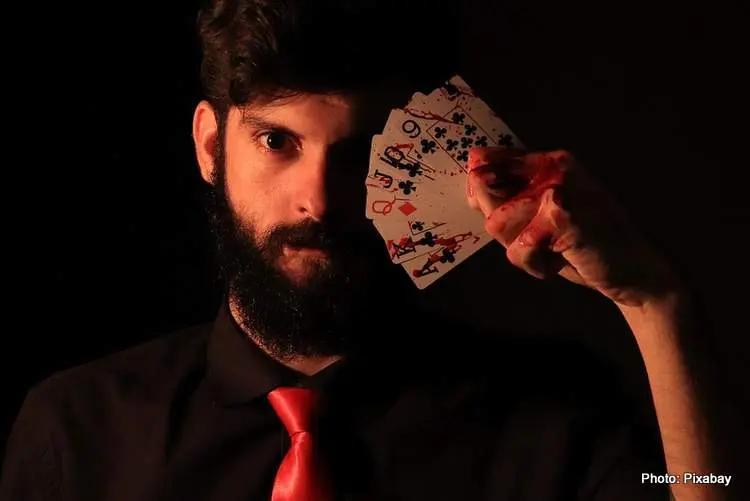
The river card hits the felt. Your opponent, who has been passive the whole hand, suddenly pushes out a small, unassuming bet.
Your mind races. Is it a monster hand they’ve been slow-playing, or a desperate, last-ditch bluff? The fate of your chip stack hangs on your ability to answer that one question. Winning at poker isn't just about the cards you hold; it's about playing the person across from you.
This isn't psychic intuition—it's applied psychology. Every player at the table is fighting an internal battle between their emotional brain and their logical brain. When under the pressure of a big decision, the brain can leak crucial information through subconscious actions known as "tells." By learning to spot these signals in others while masking your own, you can gain a significant edge before the cards are ever turned over.
The Brain at the Poker Table: Why Tells Exist
At its core, a tell is born from a conflict within the brain. Your limbic system, the ancient, emotional part of your brain, reacts instantly to the cards you see—with fear (a bad hand) or excitement (the nuts). Meanwhile, your prefrontal cortex, the center for logic and deception, works overtime to suppress that emotional reaction and project a calm, unreadable image. This internal battle happens whether you're playing in a high-stakes tournament or enjoying a few hands online at a platform like runacasino. The tiny cracks that appear during this mental war are the tells we look for.
Generally, these signals fall into one of two main categories.
- Unconscious tells: Genuine, involuntary physical reactions. These are the most reliable tells and can include micro-expressions, changes in breathing, or a sudden increase in heart rate.
- Conscious tells: Deliberate actions or mannerisms an opponent uses to project a false image. These are far less reliable, as skilled players can use them to mislead you (a "reverse tell").
Decoding the Signals: Common Tells and What They Mean
Now that we understand why tells happen, let's explore what they often look like at the table. A crucial principle to remember in poker psychology is that weak acts strong, and strong acts weak. Players bluffing with nothing often put on a show of force, while players holding a monster hand try to appear non-threatening to encourage a call.
Tells of Strength (The 'Weak Is Strong' Act)
When a player holds a powerful hand, their primary goal is to get paid. They don't want to scare you away. Their body language will often reflect an attempt to seem casual, disappointed, or uninterested to induce a bet or a call from you.
Tells of Weakness (The 'Strong Is Weak' Act)
Conversely, a player running a bluff is experiencing intense internal pressure. Their logical brain is trying to sell a story their emotional brain knows is false. This often leads to overcompensation—an exaggerated display of confidence and aggression to scare you into folding.
This table provides a quick guide to some classic opposing tells.
| Potential Strength (Wants a Caller) | Potential Weakness (Wants a Folder) |
| A quiet sigh or slump in posture | Sudden, upright posture; puffed-out chest |
| Glancing away from the pot and players | Intense, unbroken stare at an opponent |
| A very relaxed, almost limp hand motion | Forceful, splashing-the-pot betting |
| Smooth, effortless chip handling | Shaky hands or fumbling with chips |
The Advanced Read: Context Is Everything
Warning: A list of tells is a starting point, not a cheat sheet. A player rubbing their eye could have an itch, not a weak hand. The key to accurate reading is putting these signals into context. A tell is only meaningful when it represents a deviation from a player's normal behavior, or baseline.
Before you act on a perceived tell, run through this mental checklist:
- What is this player's baseline? How do they normally act when checking, betting, or folding?
- What is the game situation? Consider the board texture, pot size, and stack depths. Does the tell make sense with the story of the hand?
- Is this tell consistent? Have they exhibited this tell before in a similar situation with a similar outcome?
Furthermore, it's crucial to understand that not all tells are created equal. Some are far more reliable than others.
| Generally Reliable Tells (Hard to Fake) | Generally Unreliable Tells (Easy to Fake) |
| Fleeting micro-expressions (e.g., a flash of a smile) | Overly dramatic sighs or verbal statements |
| Involuntary deep breath before a big bluff | How a player stacks their chips |
| Timing tells (e.g., instant call vs. long deliberation) | Excessive or non-existent table talk |
Mastering Your Own Poker Face
Reading your opponents is only half the battle. You must also become unreadable. The goal isn't to be a robot, but to be consistent. If you perform your actions—looking at cards, placing bets, reaching for chips—the same way every single time, you give your opponents no deviations to analyze.
Here are some tips to help mask your own tells:
- Develop a routine: Decide how you will look at your cards and place your bets, and stick to it religiously.
- Control your breathing: When you feel pressure, focus on taking slow, deliberate breaths. This calms your nervous system and prevents physical giveaways.
- Stay still: Unnecessary motion can leak information. Find a comfortable, neutral posture and return to it after every action.
- Use the reverse tell: Once you are more advanced, you can occasionally fake a tell (like a shaky hand when you have the nuts) to intentionally mislead perceptive opponents.
From Observation to Mastery
Becoming an expert at reading poker tells is a journey. It begins with understanding the basic psychology of why people act the way they do under pressure. From there, you learn to spot common signals, filter them through the critical lens of context, and finally, master your own image at the table. This skill isn't learned overnight, but with focused observation and practice, you can turn your opponents' subconscious habits into your own tangible profit.
What's the most obvious tell you've ever spotted, or the most effective bluff you've ever pulled off? Share your story in the comments below!
Latest News









Loading