Mastering Grand Prix Strategy through Advanced Data Insights
F1 NewsTuesday, 18 February 2025 at 04:01
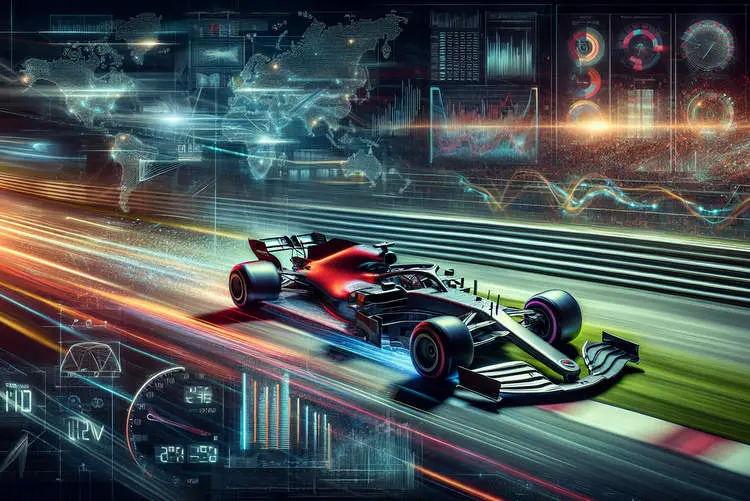
Data is transforming the landscape of Formula 1 racing, elevating strategies and performance to new heights. Real-time analytics have become crucial, enabling teams to adjust tactics with precision during races.
This evolution from instinct-driven to data-driven approaches marks a revolutionary shift in the sport. Data has become the backbone of modern Formula 1 racing. Detailed telemetry, race simulations, and performance metrics help teams gain an edge on race day.
By converting raw numbers into actionable insights, engineers and strategists can pinpoint optimal braking points, acceleration patterns, and fuel loads. These data-oriented decisions often lift a driver from mid-pack to top contender.
The aim is not just to collect information but to interpret it fast enough to gain a strategic advantage on every lap. Platforms like DexSport offer fans a way to engage with these analytics, providing insights into the tactical elements of each race.
Historical shift toward analytics

Long gone are the days when seat-of-the-pants intuition was the sole driving force in F1. Nearly every championship campaign now relies on precision analysis.
Over the past two decades, new sensor technologies and tracking tools have revolutionized how teams measure engine wear, aerodynamic efficiency, and tire degradation.
The introduction of more stringent testing limits has also pushed teams to rely on digital modeling, making analytics paramount from pre-season development to final lap battles. The integration of advanced analytics has made it possible for you to understand and appreciate the tactical elements of each race.
With real-time insights available at your fingertips, you can delve deeper into the mechanics behind each decision made by teams on the track. This not only enriches your viewing experience but also offers a glimpse into the complex world of motorsport strategy.
Real-time telemetry and strategy adjustments

In today’s races, data packets flow from car to pit wall almost instantly, enabling continuous updates on tire temperature, brake wear, and fuel consumption. Engineers can adapt a driver’s race strategy on the fly—whether that means short-pitting to avoid traffic or tweaking engine modes to save fuel.
This real-time insight can turn a minor advantage into a race-altering move, especially when seconds count in wheel-to-wheel encounters.
As you explore these dynamic adjustments, you’ll notice how they echo the rapid nature of decentralized sports betting platforms where split-second decisions can influence outcomes.
The ability to make informed predictions based on live data parallels betting on blockchain systems where transparency and immediacy are key components.
Pit stops, tires, and key indicators

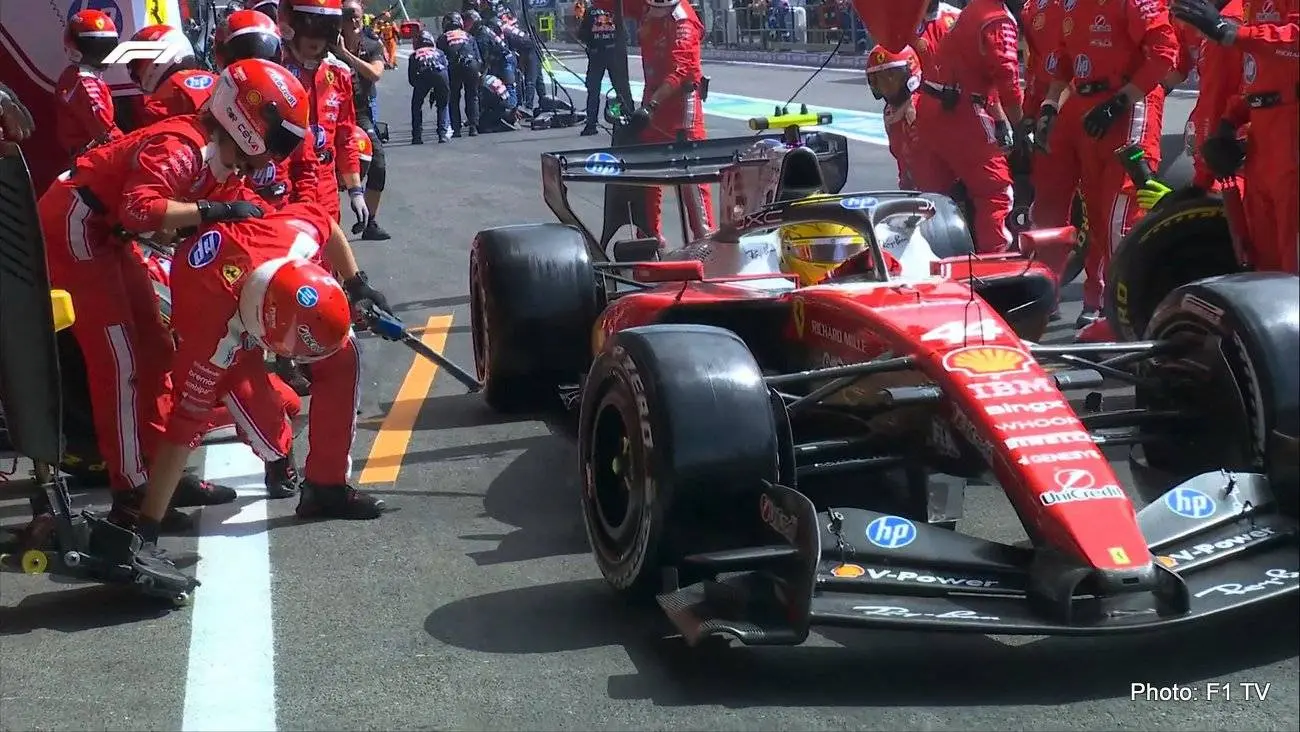
Pit stops define the outcome of many Grand Prix events. By monitoring tire temperatures and wear rates, teams determine the best window for a pit stop that minimizes traffic while maintaining performance.
Data also helps forecast shifts in track conditions and weather patterns, allowing teams to anticipate crucial changes before they cost valuable time. Even the angle of the front wing can be adjusted based on aerodynamic feedback in combination with tire metrics.
This meticulous attention to detail mirrors the precision required in bitcoin live betting where understanding key indicators can significantly impact your success.
As with a team’s pit stop strategy, your ability to interpret data accurately determines your advantage in predicting results within decentralized sports betting environments.
Latest News



Loading