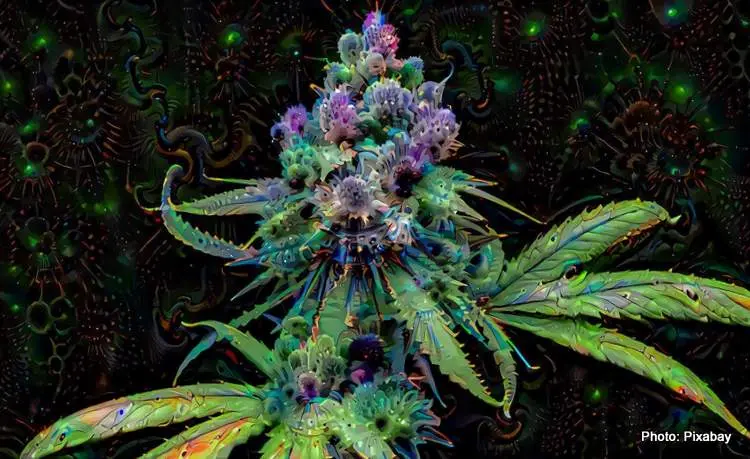
In the world of cannabis cultivation, understanding marijuana plant genetics is essential for producing high-quality strains with desired characteristics.
From potency and flavor to growth traits and therapeutic effects, the genetic makeup of cannabis plants plays a significant role in determining their overall profile.
In this report for our Formula 1 readers interested in the subject, we delve into the intricate world of marijuana plant genetics, unravelling the complexities of strains and varieties.
The Basics of Cannabis Genetics
At its core, cannabis genetics is the study of the hereditary traits and characteristics of the cannabis plant. Cannabis plants have two primary species: Cannabis sativa and Cannabis indica, each with distinct growth patterns, cannabinoid profiles, and effects.
For those interested in exploring different aspects of cannabis consumption, such as using THC vape pens by CBDfx, understanding these genetic details can enhance your experience and choices.
Within these species, there is a vast array of strains and varieties, each with its unique combination of genetic traits inherited from its parent plants. Get more information on the physical features of the Marijuana plant through The Sacramento Bee blog.
Strains vs. Varieties
In the cannabis world, the terms "strain" and "variety" are often used interchangeably to refer to specific types of cannabis plants. However, there is a subtle distinction between the two. A strain typically refers to a specific genetic lineage or family tree of cannabis plants with shared ancestry and characteristics.
For example, "Blue Dream" and "OG Kush" are popular strains known for their unique traits and effects.
On the other hand, a variety encompasses a broader category of cannabis plants that share similar characteristics but may have different genetic backgrounds.
Varieties are often classified based on factors such as cannabinoid content, terpene profile, and growth characteristics. For example, "sativa-dominant" and "indica-dominant" are commonly used to describe different varieties of cannabis based on their growth patterns and effects.
Genetic Diversity and Hybridization
Cannabis plants exhibit remarkable genetic diversity, with thousands of distinct strains and varieties cultivated around the world. This diversity is the result of centuries of selective breeding and hybridization, where breeders cross different cannabis plants to create offspring with desired traits.
Through careful selection and breeding, breeders can create hybrids that combine the best characteristics of multiple parent plants, such as high potency, unique flavors, and disease resistance.
Terpenes and Cannabinoids
Two of the most important factors influenced by marijuana plant genetics are terpenes and cannabinoids. Terpenes are aromatic compounds found in the resinous glands of cannabis plants that give each strain its distinctive aroma and flavor.
From fruity and citrusy to earthy and piney, terpenes play a significant role in shaping the sensory experience of cannabis consumption.
Cannabinoids, on the other hand, are chemical compounds found in cannabis plants that interact with the body's endocannabinoid system to produce various effects.
The two most well-known cannabinoids are tetrahydrocannabinol (THC) and cannabidiol (CBD), which are responsible for the psychoactive and therapeutic effects of cannabis, respectively.
The genetic makeup of a cannabis plant determines its cannabinoid profile, influencing factors such as potency, psychoactivity, and therapeutic potential.
Phenotype vs. Genotype
In cannabis cultivation, the terms "phenotype" and "genotype" are used to describe different aspects of a plant's genetic makeup and physical characteristics.
The genotype refers to the specific genetic code or DNA sequence of a cannabis plant, which determines its potential traits and characteristics.
On the other hand, the phenotype refers to the observable traits and characteristics of a plant, such as its appearance, growth pattern, and chemical composition.
Environmental Adaptability
Marijuana plant genetics play a crucial role in its adaptability to the environment. Strains vary in resilience to factors like temperature and humidity. Growers can select strains suited to their conditions, optimizing yield and quality while reducing resource needs.
Breeders also develop new strains for environmental resilience, ensuring sustainable cultivation across different regions.
Conclusion
In conclusion, marijuana plant genetics is a fascinating and complex field that plays a crucial role in cannabis cultivation and consumption. By understanding the genetic makeup of cannabis plants, breeders can create new strains and varieties with desired traits and characteristics.
From potency and flavor to growth patterns and therapeutic effects, genetics shape every aspect of the cannabis experience, making it an essential consideration for both growers and consumers alike.
As research into cannabis genetics continues to advance, we can expect to uncover even more insights into the intricacies of marijuana plant genetics and its implications for the future of cannabis cultivation and use.
Latest News











Loading