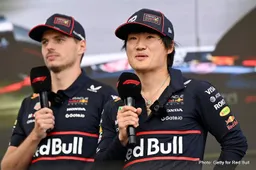
Mansell: Verstappen said it best, no one knows what's in store for 2026
F1 NewsTuesday, 05 August 2025 at 08:00
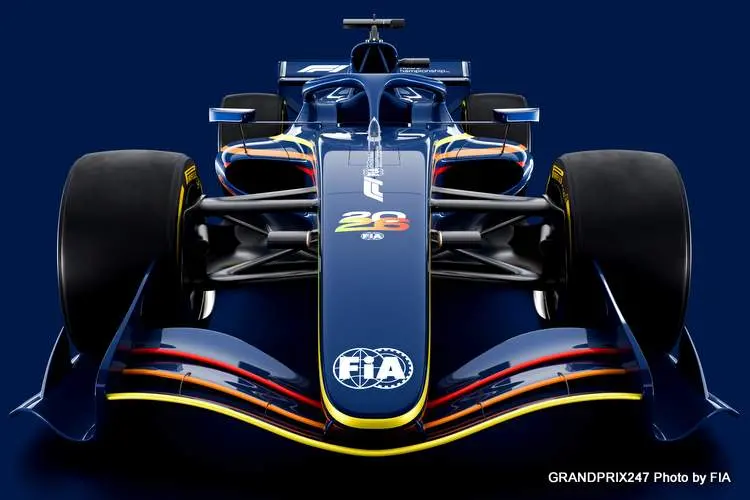
Formula 1 legend Nigel Mansell believes the sweeping 2026 regulation changes will leave teams and fans guessing until the first race in Australia; nevertheless, he backs Mercedes and Aston Martin to be early frontrunners while calling for a return to the sport’s V10 engine era.
In an interview with AceOdds.com, 1992 Formula 1 World Champion, Mansell, said the scale of the regulatory overhaul makes forecasting difficult: “It’s an incredible question and if you’ve got a crystal ball, you can make a lot of money.
“To throw so many regulations for 2026, nobody will know what’s in store. I think Max Verstappen said it the best, until you turn up for the first race in Australia, no one will really know who’s got the best package.”
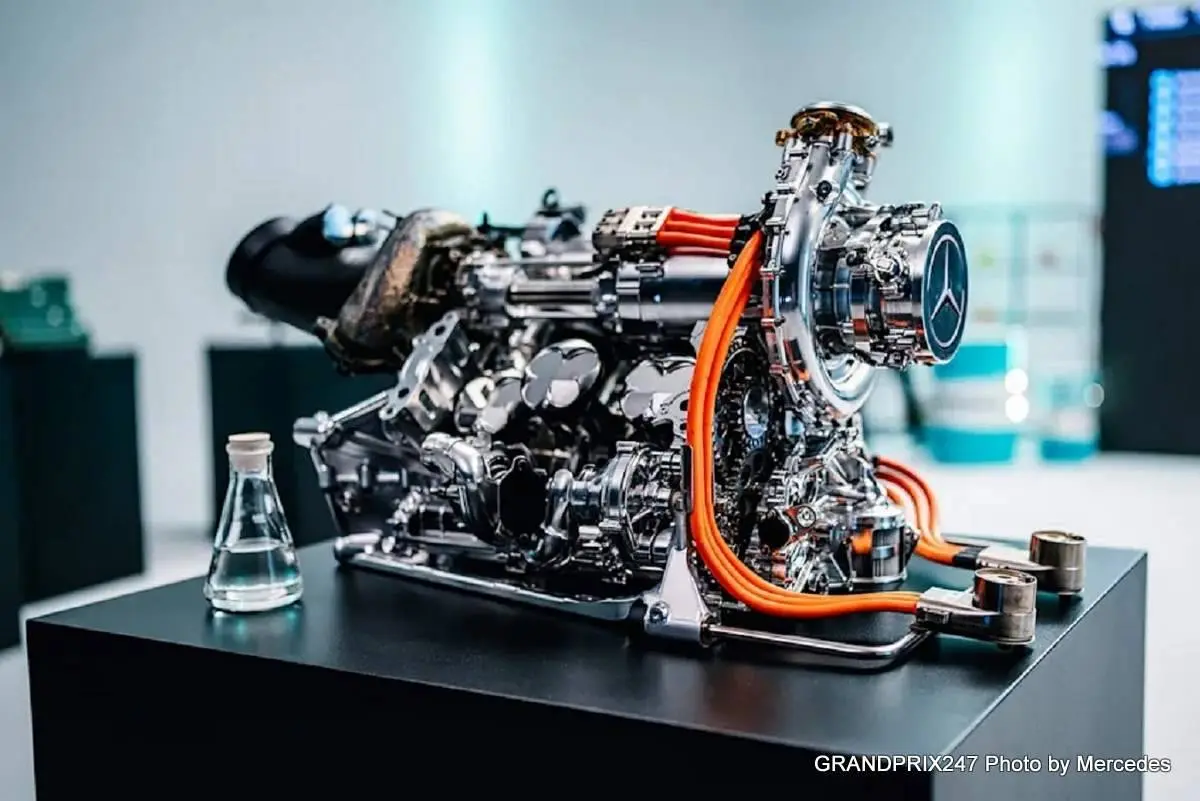
Despite the uncertainty, Mansell believes the strength of Mercedes’ power unit division positions them well for the new era: “One thing we do know is that Mercedes will have a fantastic package with the engine and the power pack side. The engine’s gonna provide 50% of the power and the other, 50% of the power. It’s a tall order. Big changes for one year, like there’s no tomorrow.”
Mansell warns of Newey-factor at Aston Martin

Mansell also warned rivals not to discount Aston Martin, especially with design legend Adrian Newey joining the team in time for the rules reset: “You can throw in Adrian Newey in there with Aston Martin. They can come out of the box really strong.”
As for Ferrari, the British driver remained cautious: “Ferrari, who knows? If they get the formula right? Any team that can get the formula right can dominate in the first year. It’s fascinating. A little bit worrying, but fascinating.”
Away from speculation, Mansell offered a nostalgic take on the future of Formula 1, criticising the complexity of modern technology and calling for a return to naturally aspirated power: “I wish they had chucked all of these things away and gone back to the V10 engines. They’re beautiful and gave us fantastic racing.”
The 2026 Formula 1 technical regulations will see a major shift in power unit philosophy, with a 50/50 split between internal combustion engine and electrical energy, while also introducing new chassis constraints to reduce drag and weight. The teams that hit the ground running, will be frontrunners for the foreseeable future.
Latest News
Loading