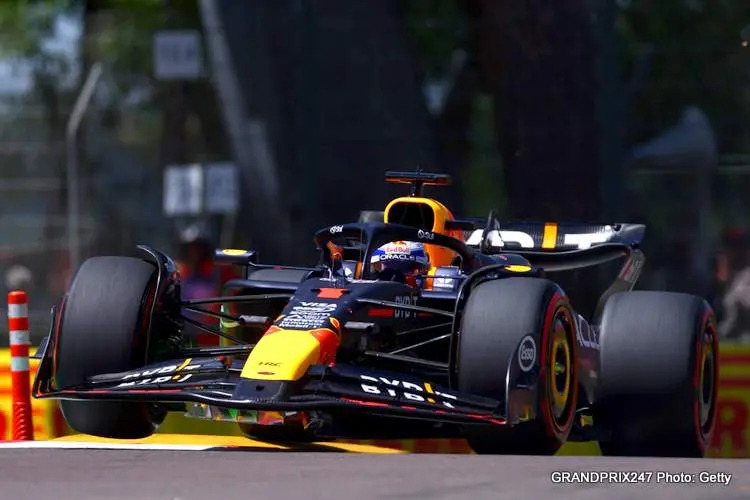
Formula 1 teams continually push the envelope, crafting machines that blur the line between engineering and artistry.
Innovations like adaptive aerodynamics and enhanced cooling systems reshape performance dynamics. Teams employ cutting-edge materials to reduce weight while maximizing durability and producing the elusively perfect Formula 1 car.
The interplay of these advancements transforms car handling on tracks, giving drivers an edge against rivals. In a sport where milliseconds define success, F1 engineers leverage smart telemetry for real-time data analysis. They fine-tune setups mid-race to adapt to changing conditions seamlessly.
Expect this season's cars to showcase technological marvels that not only excite fans but also redefine racing strategies altogether.
Why F1 Continually Innovates

Before we get to the cutting-edge innovations to expect this season, let’s understand why Formula 1 teams relentlessly chase advancements.
The sport thrives on competition; every fraction of a second matters. Teams continually seek improvements that elevate their performance, whether in speed or handling. They adopt new technologies and methodologies faster than you can say "checkered flag."
It’s a cycle of learning and refining strategies. Much like how EchoPark, a provider of low mileage, second-hand SUVs in Centennial keeps its inventory fresh and modernized for customers seeking value, F1 teams also focus on delivering results through technological upgrades that enhance the racing experience.
1. Aerodynamic Enhancements

When it comes to aerodynamic enhancements, teams like Ferrari lead the charge. They aim for sleek designs that slice through air resistance with ease. Every contour of a car is carefully crafted to optimize airflow and reduce drag, improving both speed and fuel efficiency.
Ferrari's engineers study data from wind tunnel tests to create shapes that maximize downforce without sacrificing stability. As they implement these upgrades this season, expect noticeable differences in how their cars grip the track during tight turns or high-speed straights—just another example of how innovation fuels competitive advantage in Formula 1 racing.
Just like the different types of speakers used to amplify sound can influence the auditory experience, the choices made in car design and technology significantly shape the F1 racing experience.
2. Power Unit Evolution

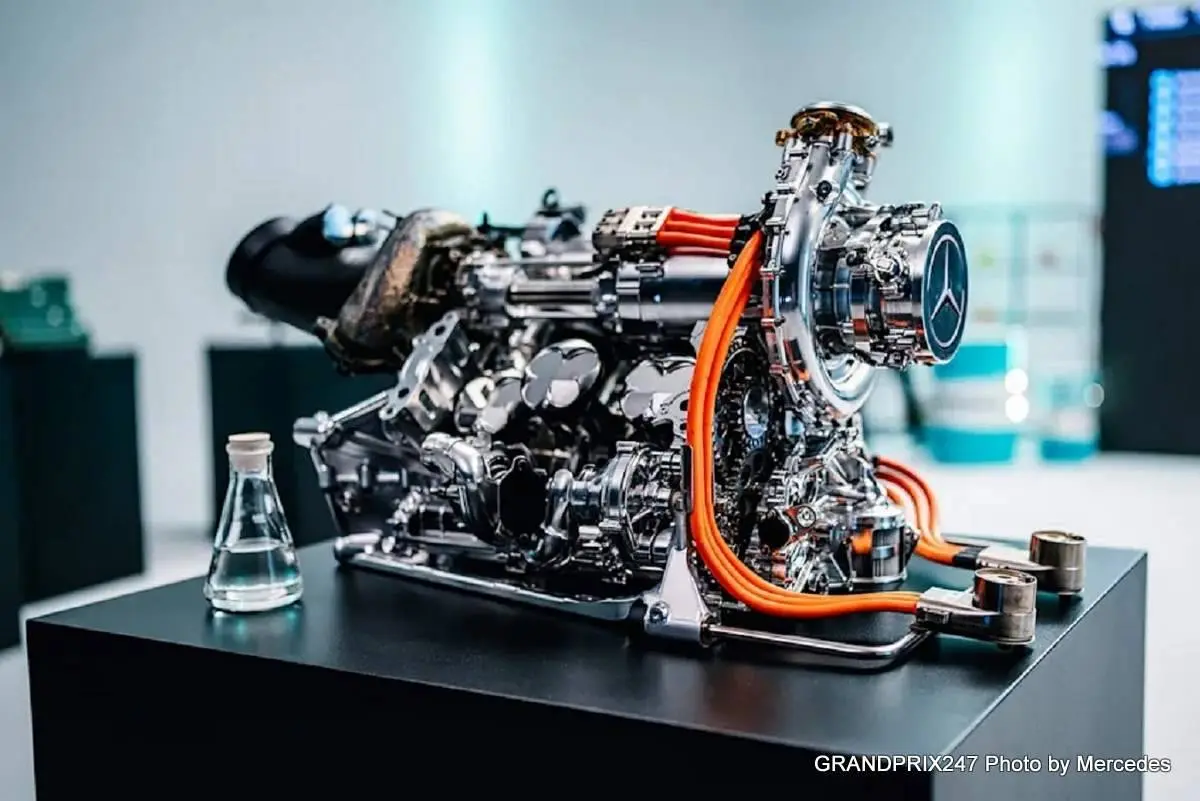
Next up is the evolution of power units, where teams are shifting gears toward hybrid technologies. This transition isn’t just about boosting speed; it’s also about sustainability and efficiency.
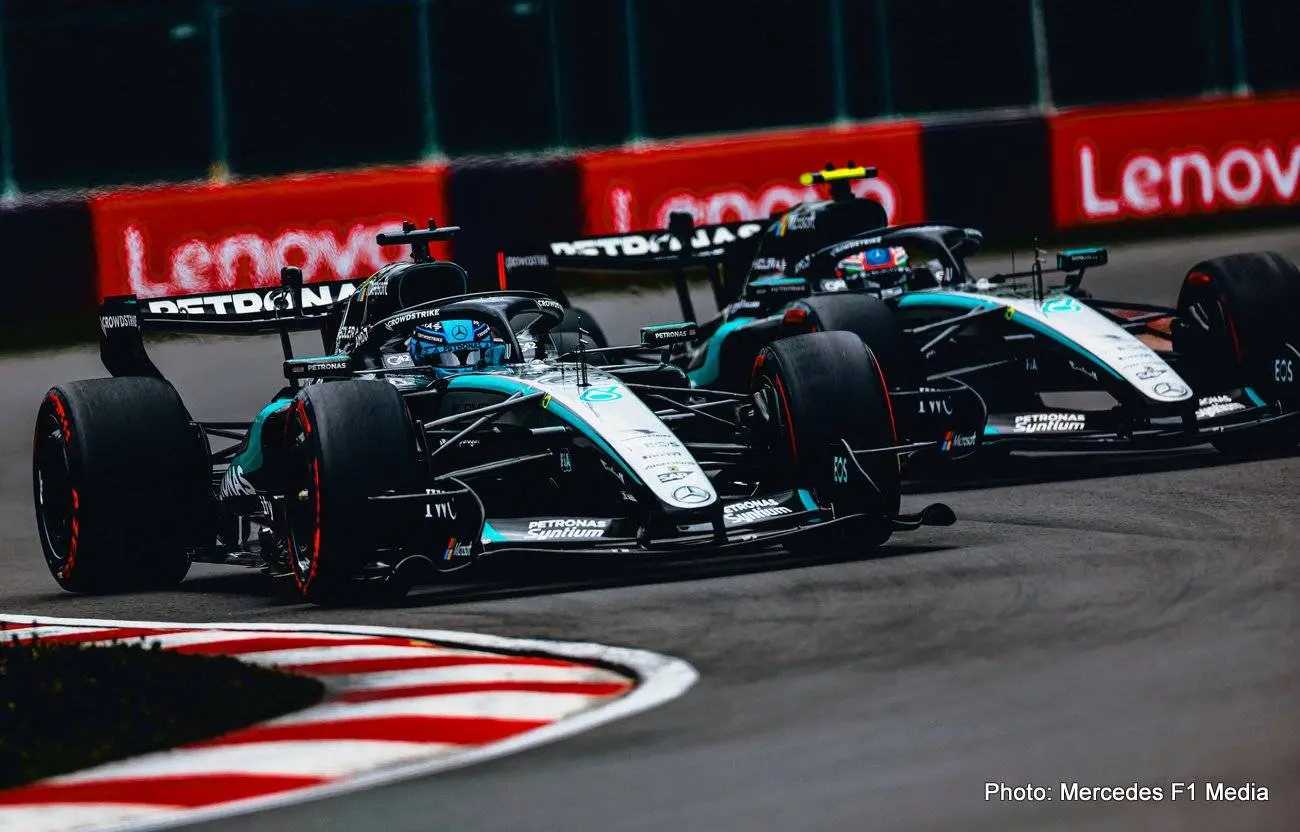
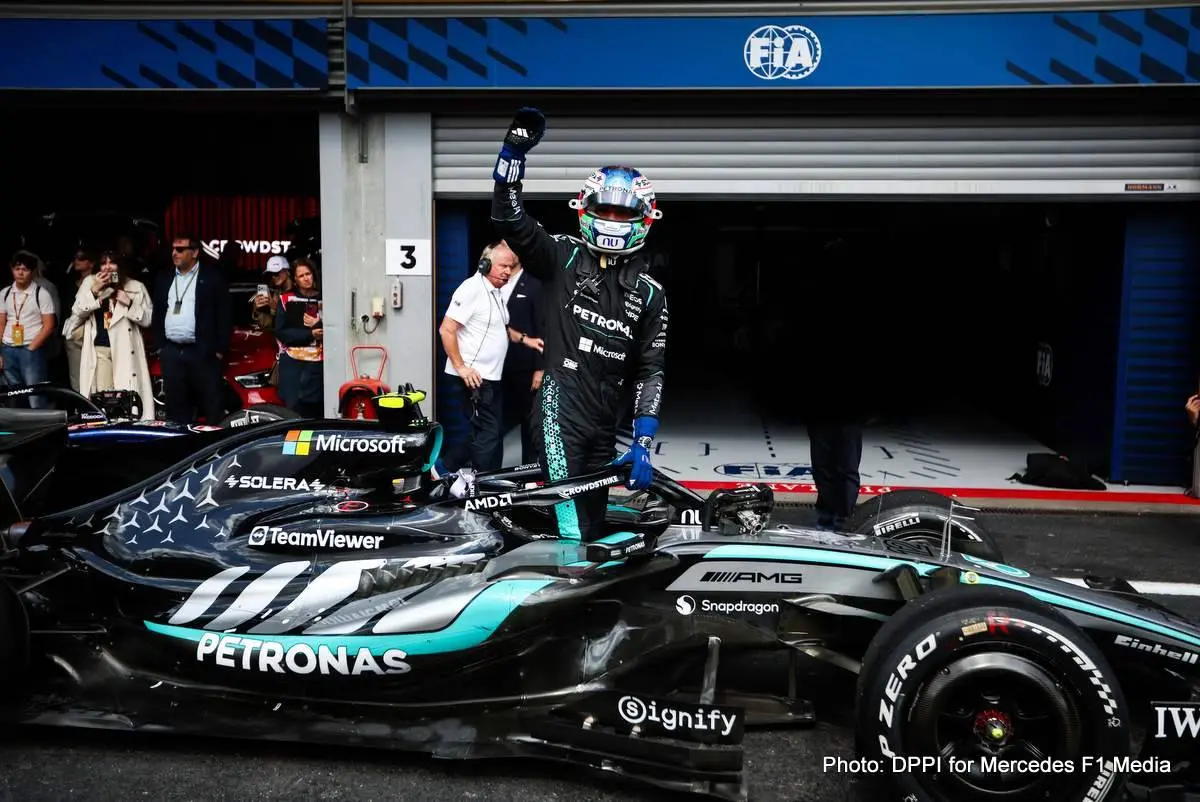
Teams like Mercedes –even after their F1 boss recently admitting they need to do a better job– are refining their powertrains to maximize energy recovery while minimizing fuel consumption. The integration of electronic components alongside traditional engines enhances overall performance.
As they make strides in battery technology, we’ll likely see even more powerful yet eco-friendly solutions hit the tracks this season. It’s a balancing act that showcases how F1 pushes boundaries for both competition and environmental responsibility.
3. Cooling System Innovations

Cooling systems are a tremendously critical aspect in any F1 car. As engines push their limits, they generate intense heat. Teams need effective solutions to keep temperatures in check and performance high. As a matter of fact, the FIA recently urged all F1 teams to test cockpit cooling systems designed to keep divers cool and safe during extreme weather.
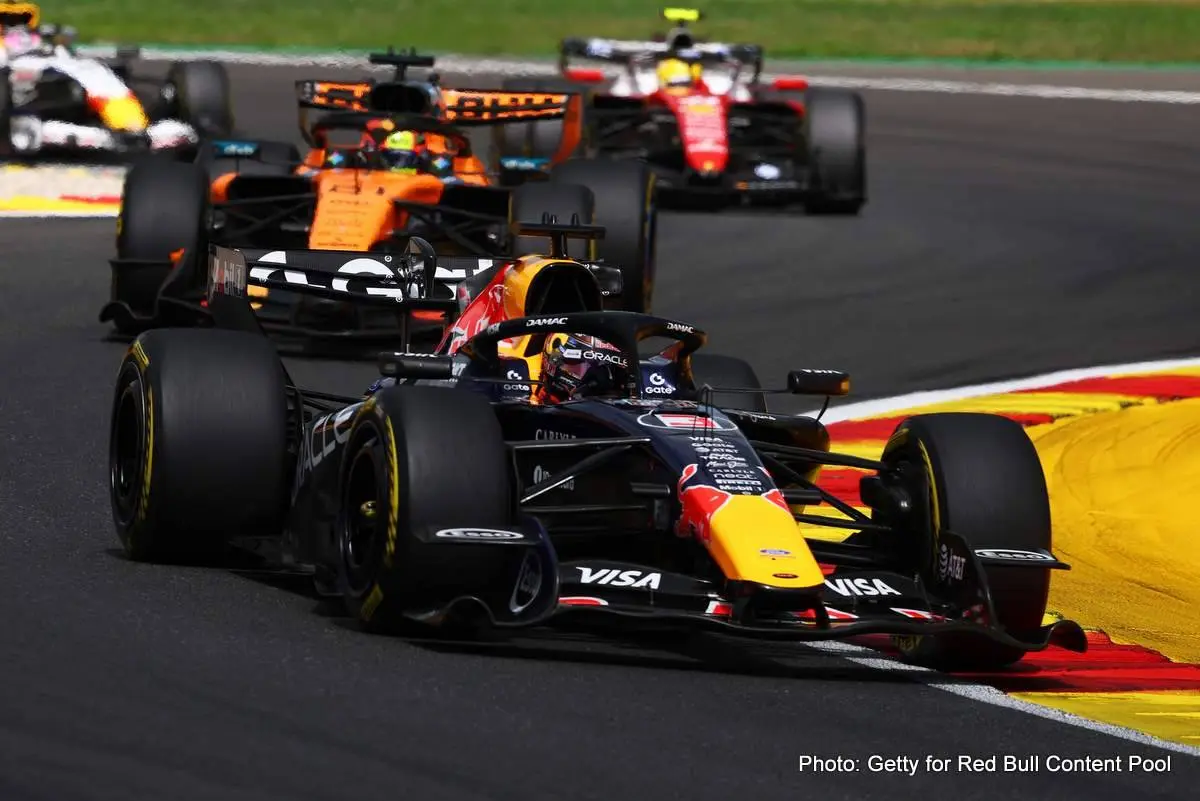
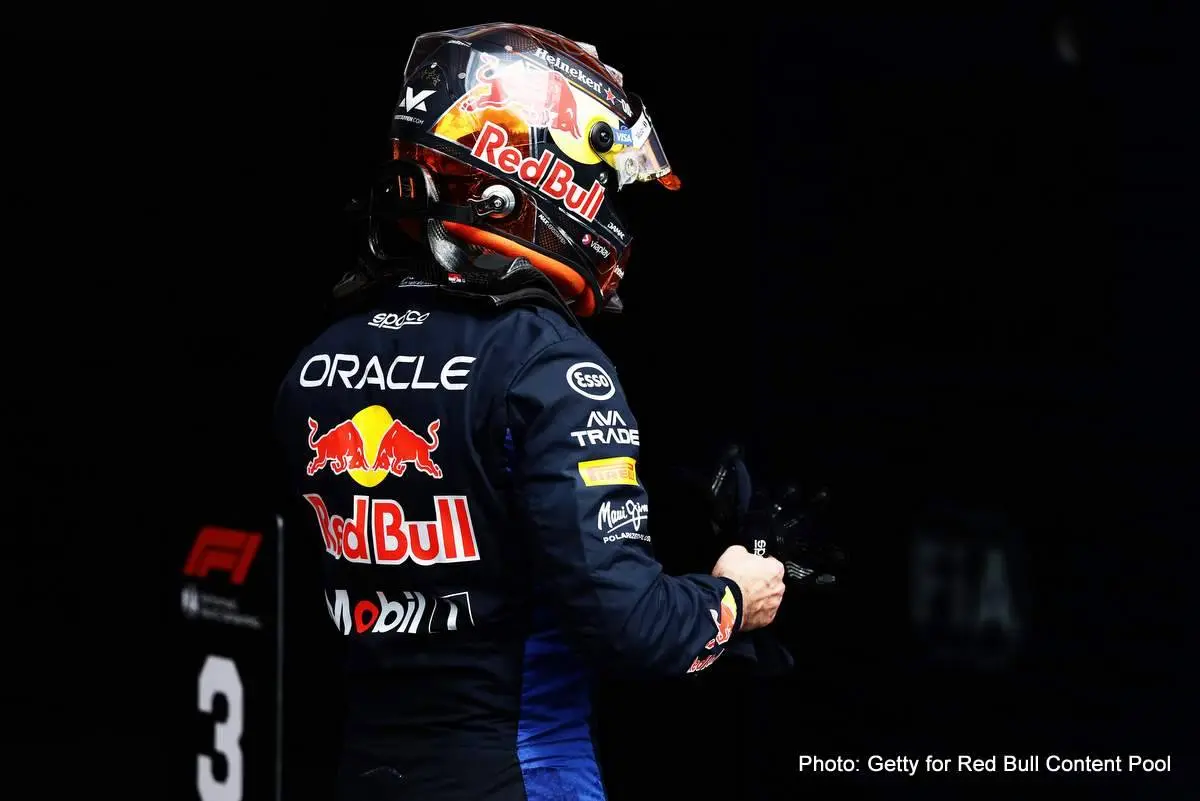
Meanwhile, Red Bull Racing is known for its ingenious cooling designs that manage airflow around key components. By optimizing the layout, they ensure crucial parts remain functional during races.
This focus on thermal management directly influences lap times and reliability—making it essential for teams aiming for victory this season.
4. Next-Gen Adjustable Suspension Systems

Adjustable suspension systems are revolutionizing how F1 cars handle on the track. These systems allow teams to tweak settings based on specific race conditions, leading to enhanced performance.
For example, with options for changing ride height or stiffness, drivers can find the perfect balance between grip and comfort. This adaptability plays a crucial role during varying weather and track conditions.
Benefits of adjustable suspension systems include:
- Improved cornering stability
- Enhanced driver feedback
- Greater adaptability to different circuits
- Reduced tire wear over long races
5. Advanced Telemetry Use

Telemetry in Formula 1 is all about gathering and analyzing data in real time. Teams are ramping up their game this season with sophisticated sensors that track everything from tire temperature to engine performance.
One specific advancement we expect is the use of AI algorithms that predict issues before they arise. By crunching data on the fly, teams can make quick adjustments to improve performance mid-race.
This level of insight not only helps optimize strategies but also enhances safety for drivers—making telemetry a vital tool for success on the circuit.
6. Diffuser Designs for Improved Downforce

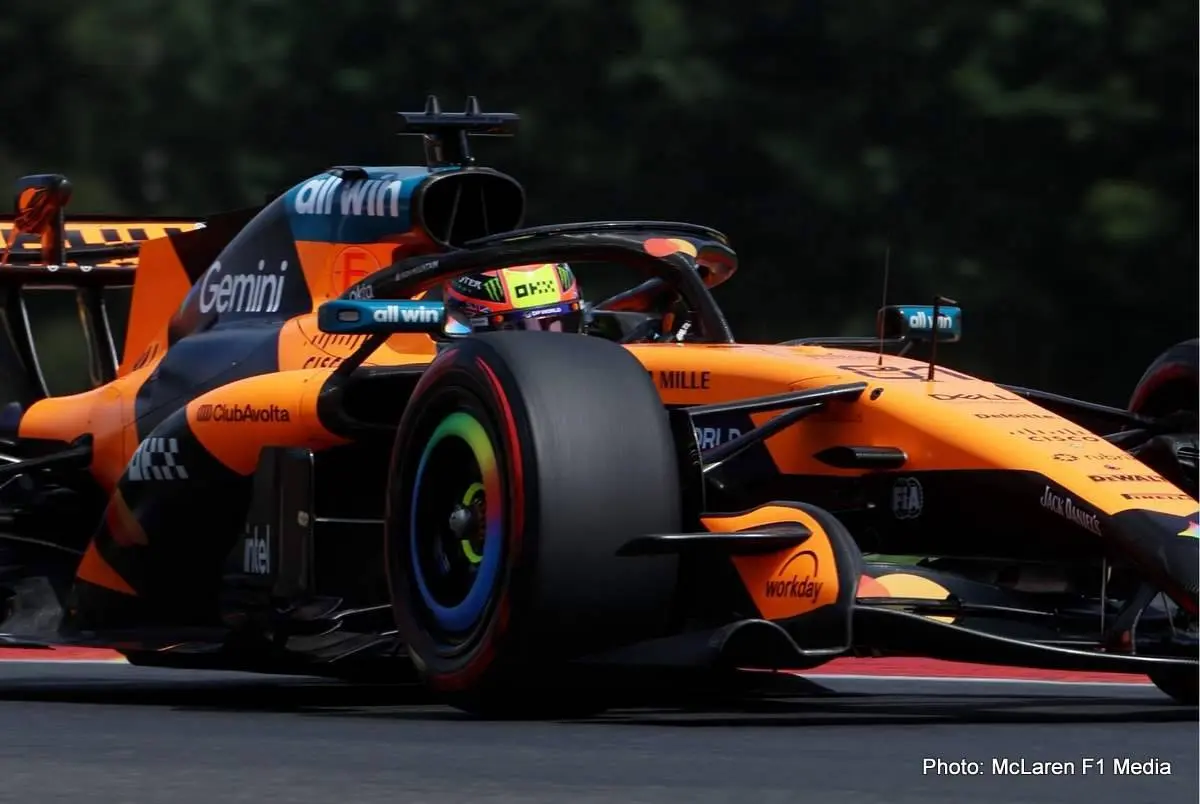
Diffusers play a key role in generating downforce, and this season’s advancements are set to make a significant impact. Teams like McLaren are introducing innovative designs that maximize airflow beneath the car.
These new diffusers enhance ground effect, allowing cars to maintain better grip at high speeds. The result? Improved cornering capabilities and overall performance on the track—making them an essential focus for teams looking to gain an edge this season.
7. Returning Design Solutions

Last but not least, returning design solutions are making a comeback in F1 this season. Teams are revisiting successful concepts from past seasons to enhance performance and reliability.
For instance, we can expect to see reimagined bargeboards that optimize airflow around the car. These elements help with downforce and overall aerodynamics.
By blending proven strategies with modern technologies, teams aim to strike a balance between innovation and experience on the track.
As we dive into the season, it’s clear that innovation fuels Formula 1. With advancements in aerodynamics, power units, and telemetry, teams are gearing up for an exhilarating battle on the track. Stay tuned to witness how these technologies reshape racing strategies and outcomes!
Latest News



Loading