Jonathan Wheatley: Audi goal is to act like a Formula 1 title challenger before the car is capable of it
F1 NewsWednesday, 21 January 2026 at 11:51
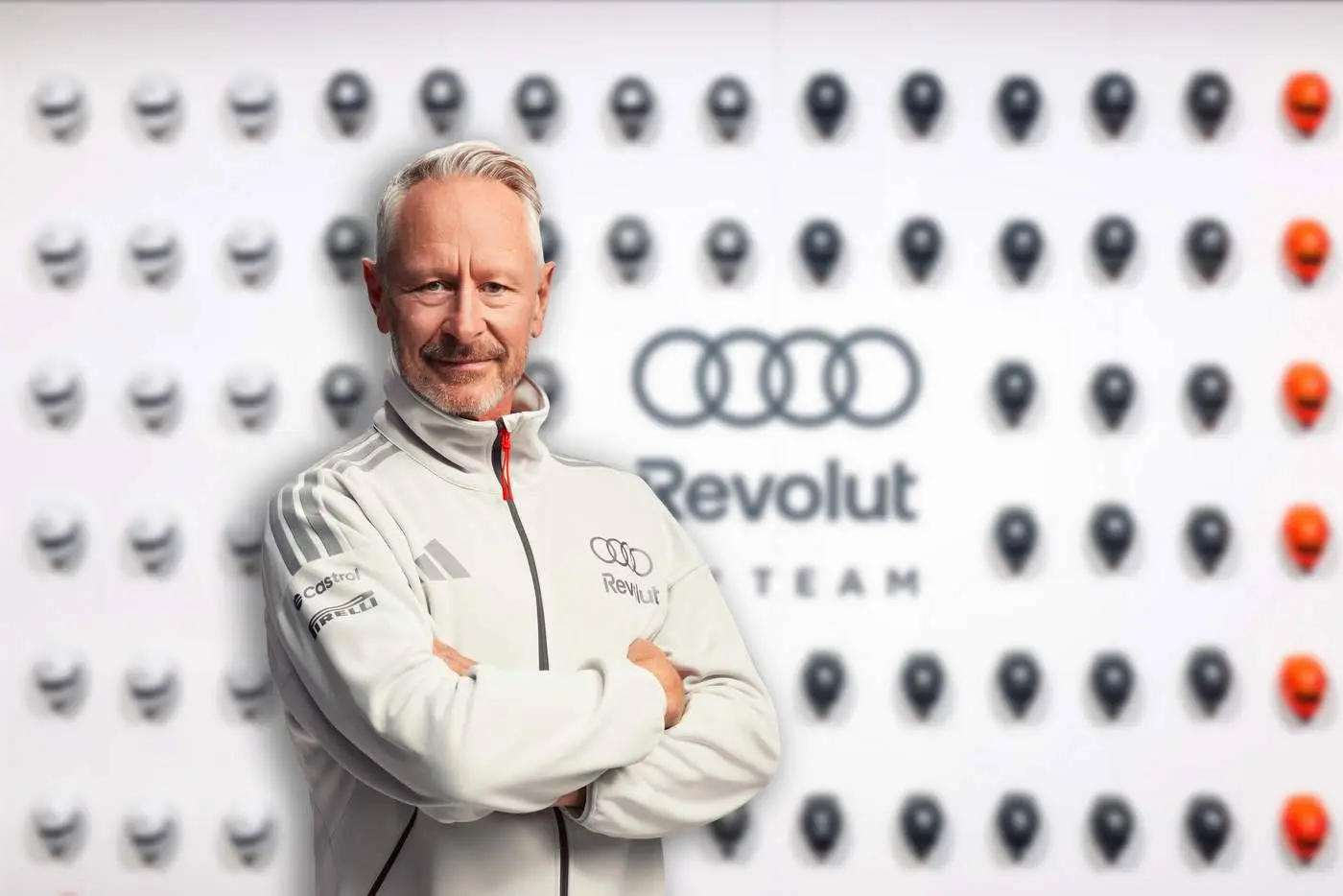
Formula 1 rivals will be wary of Jonathan Whetaley's involvement with the Audi Formula 1 project, after all, he was one of the key members of Red Bull's mighty teams that turned Sebastian Vettel and Max Verstappen not only into World Champions but also into Formula 1 legends. Can he do it for Audi?
Speaking during the team's 2026 livery launch, Wheatley described Audi’s Formula 1 entry as the realisation of a long-held ambition, framing the team’s Berlin presentation as the moment the project moved from concept into reality.
At the launch event, Wheatley characterised the occasion as deeply emotional after years of planning and preparation: “I think it is almost a manifestation of a dream. We have been talking about the Audi Formula 1 project for a long time, but today it feels real. Audi Revolut Formula 1 Team. It is real. It is here. Everyone is here. It is an extraordinary feeling.”
The presentation followed months of behind-the-scenes work that began long before a car ever reached the track. For Wheatley, seeing the finished product was a defining moment: “It all starts with conversations and CAD drawings. Nothing is real at first. Everything exists in the ether,” before that vision finally became tangible once the car carried its full identity and partners.
From drawings to running car

Audi’s early on track running marked another emotional milestone, particularly given the scale of preparation required to reach that point. The team became the first to run a 2026 car, a step that required passing crash tests and rebuilding momentum after late-season setbacks in Brazil: “Walking into the race shop and seeing the powertrain being attached to the chassis to make the Audi Formula 1 car was an extraordinary moment,” with the shakedown confirming that the project had reached a critical phase.
Beyond symbolism, early running was used to establish working relationships between departments that had never operated together before: “What we are trying to achieve is communication across the car,” as the chassis and powertrain groups begin functioning as a single unit. Wheatley also hinted at further visual and aerodynamic changes still to come, with launch bodywork only the first step in the development cycle.
With an entirely new technical rule set arriving in 2026, Wheatley expects the competitive picture to remain unclear well into the season: “We probably will not fully understand performance even in Melbourne,” with early races used to establish benchmarks rather than deliver definitive answers.
Development speed has already been identified as a decisive factor: “If you are behind, development speed becomes key,” reflecting the reality that regulation resets reward teams capable of reacting and evolving fastest.
Building a championship team before the car

Driver feedback is feeding directly into that process, with the fundamentals unchanged despite the new regulations: “Chassis, powertrain and driver are still the three pillars of performance,” underlining the need to extract maximum performance from all areas simultaneously.
For Wheatley, success in the short term is not defined by results alone. The focus is on behaving like a championship operation before the machinery allows it: “Our goal is to act like a world championship challenger before the car is capable of it,” with operational standards, integration and execution viewed as equally important to lap time.
Momentum remains central to that philosophy: “Momentum and continuous improvement are the lifeblood of a Formula 1 team,” forming the foundation Audi intends to build upon as it progresses toward its long term objective.
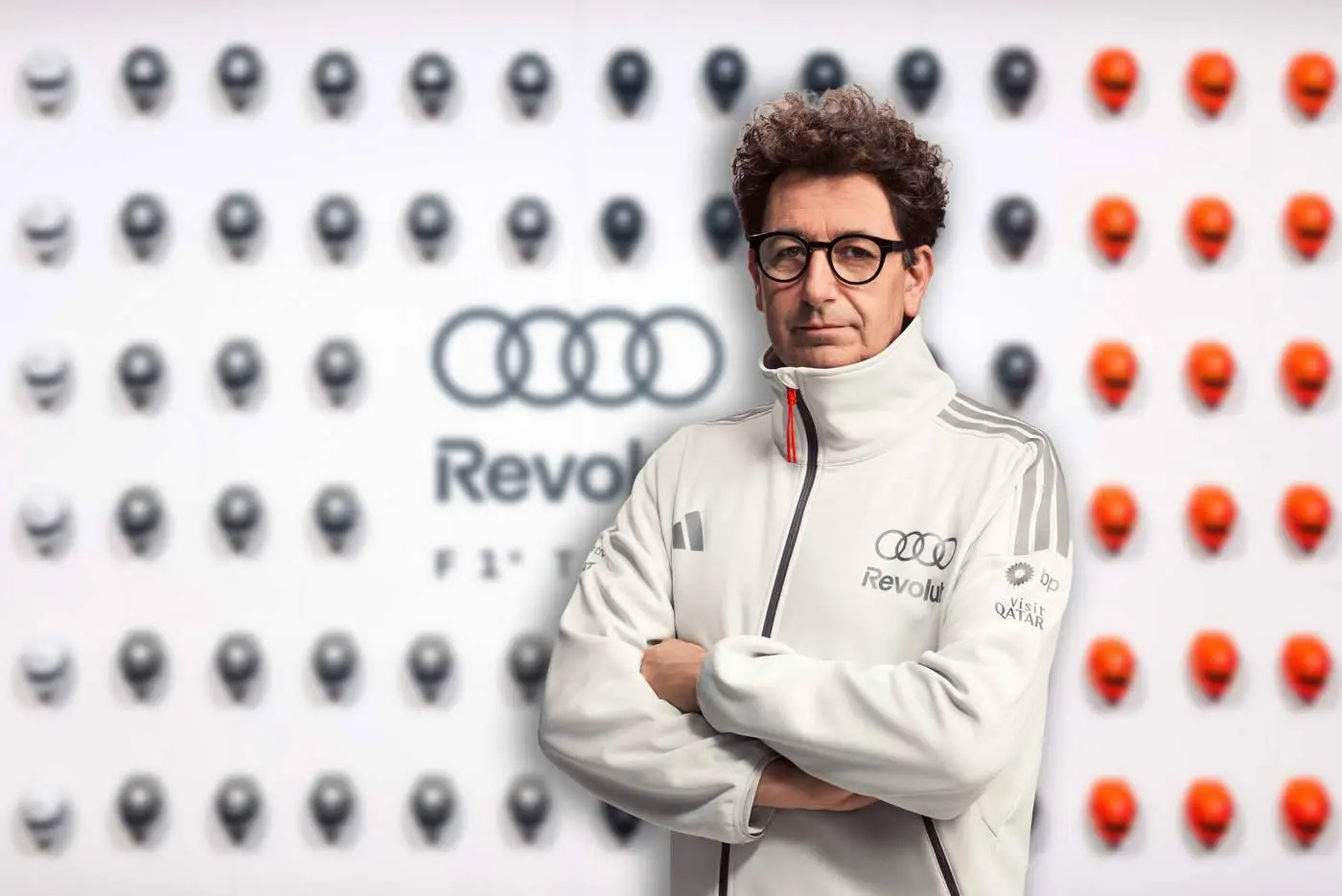
The message from Berlin aligned closely with the roadmap outlined by Mattia Binotto. Audi’s Formula 1 project is not driven by immediate expectations but by structure, discipline and belief that sustained progress will ultimately turn ambition into results.

Latest News









Loading