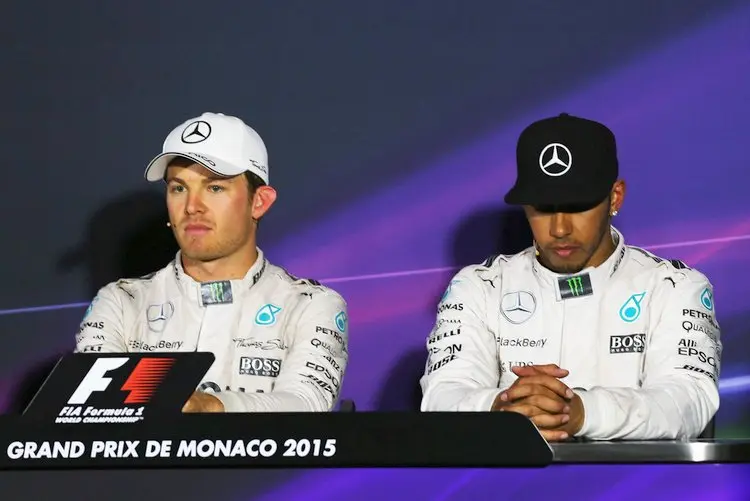
There was a high profile furore immediately after the Monaco Grand Prix - Lewis Hamilton was robbed of a victory due to a ‘miscalculation’ by his World Champion team Mercedes – he finished third.
A cruel joke on his motivational phrase – ‘drive it like you stole it’!
The furore actually emerged on social media, with ardent Hamilton fans accusing Mercedes and even citing that this was ‘fixed’ to let the local lad (Rosberg) score his third successive home win. Blah! If Formula 1 is cruel, its fans can be even crueler on social media!
Hamilton should’ve won, there’s no denying that. Did he deserve to win? The answer to that depends on the how you interpret the word ‘deserve’. He was the fastest driver in Monaco and did deserve to win.
But then there’s Rosberg – the driver who makes the most of his luck, in Monaco and otherwise (alright, 2014 Abu Dhabi GP notwithstanding). What should’ve been a regulatory race to the finish turned sour when Hamilton and Mercedes overthought their need for new tyres and reacted to it.

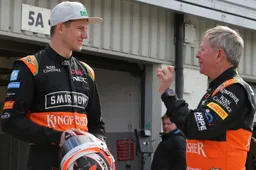
This isn’t where Formula 1’s cruelty ends though. The sport has relied on the mid-field teams to spice up the action, help younger drivers come up the ranks and act like ‘B-spec’ teams for the top ones.
Despite this, Formula 1 is being cruel with them. For starters, every team on the grid (Manor included) should be a part of the Strategy Group that debates and decides on the ‘future’ of the sport along with the FIA and the FOM.
After getting teams (and their owners) to cough up millions to achieve ‘constructor’ status and investing hundreds of millions of dollars to build facilities that would help them compete and not just participate, it suddenly seems that not just their ‘constructor’ identity, but their gargantuan efforts to survive in Formula 1 will be lost if the Strategy Group has their way (and the WMSC agrees).
I should add the efforts to manage cash flow, chase sponsors (even pay drivers!) and run in the expensive Formula 1 show with little return, the least I would expect is for the sport (here I include FIA, FOM and the ‘top’ teams) to show some respect towards their lesser-funded (and blessed) peers.

Many of these privately owned teams have lasted longer and tasted more success than a few manufacturer teams who did a ‘splash and dash’ (literally so!) in the sport.
Ad hoc regulatory changes (from engines to power-trains), non-preferential and unequal revenue earnings indicate that Formula 1 has been cruel to these teams. Not so much so the fans who are happy to follow teams that perform well and punch well above their weight!
This is not to say that I am taking sides in the ‘customer cars’ discussion. I have yet to research further, but I do know that the business of customer cars isn’t clear yet for me (or anyone else) to take a firm side. I am keen to know more (and I believe there’s a study being undertaken) on what the costs for running a customer team would be and their relative earnings.
I can only hope that the Formula 1 business is lucrative enough (for a change!) for a manufacturer (like Audi) or privateer team to invest and remain invested in the long run.
In closing: back to the Hamilton saga in Monaco, I believe that Hamilton’s acting skills came to the fore in his post-race demeanour. Fans and non-fans knew that he was upset with Mercedes (and possibly himself too?) for this gaffe. But he should take heart in the fact that he is still the fastest out there and it is only a matter of time before he wins his third World Championship. As for winning in Monaco, there’s always next year!
Kunal Shah is a former single seater racer who now works in the sports marketing industry. He pens his views on Formula One on his personal blog - you can follow him on Twitter
Latest News
Loading