Inside Line: Charlie looked out for drivers, who looked out for Charlie?
F1 NewsThursday, 14 March 2019 at 10:48
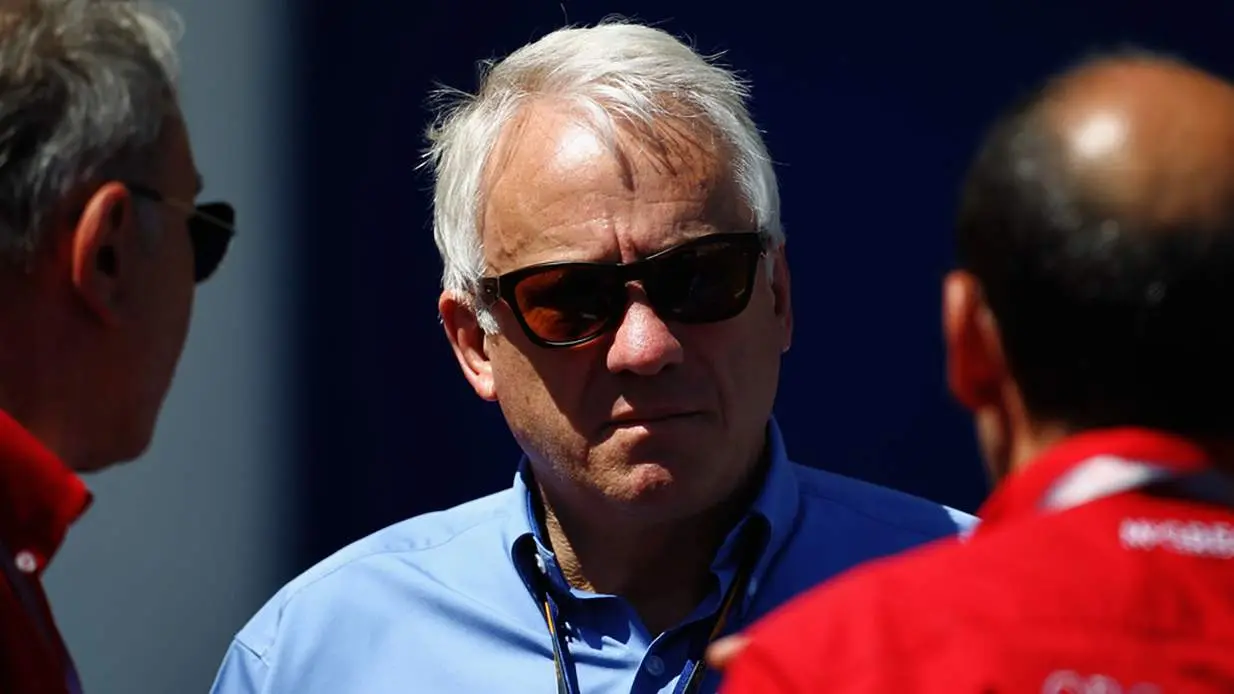
Waking up in Europe to the news of Charlie Whiting passing was an enormous shock, how it feels in the stunned paddock is quite surreal according to our man in Melbourne Ben Stevens covering the season-opening Australian Grand Prix for us.
The loss to Formula 1 is massive and catches the FIA and Liberty Media on the backfoot as they have no real understudy to slip into the big shoes that Charlie filled. The understudy they were once grooming, Laurent Mekies now wears the red of Ferrari.
But that's for them to sort out and hopefully, they realise his role should not is not a one-man show and perhaps the stress and duress of the position Charlie held contributed to the sudden passing of an apparently fit and agile man.
A pulmonary embolism is when a blood clot gets caught in one of the arteries that go from the heart to the lungs, causing it to fail aka heart-attack.
For now contemplating Charlie's unexpected death, questions have to be asked - sadly in retrospect typical of such times - foremost is the title of this piece: Charlie looked out for drivers, who looked out for Charlie?
The BBC summed him up aptly: "Charlie Whiting was a giant personality in F1, and it is hard to emphasise just how big a hole his death leaves in a sport in which he has been a central figure for 40 years.
"As the FIA's F1 director, Whiting was the go-to man for all aspects of the sport - he was involved in everything, from safety to technical rules to sporting matters.
"He certified circuits [around the globe and not only for F1], he led the drivers' briefings, he pretty much wrote the rules by himself, and he did all this with a lightness of touch, approachability and ready sense of humour that made a man doing one of the most difficult jobs in F1 one of its most popular characters."
It can be added that he was the ultimate referee, arguably the only man in sport responsible for adjudicating the whole thing, all the time and with relentless effort.
As good referees tend to be, he seldom 'interfered with the game' and was very much off the radar where he operated with such great effect.
I had the good fortune of meeting him on several occasions when he popped in at Dubai Autodrome for half a day to certify the circuit. The first time I met him was early on during my tenure at the circuit in 2008 or so.
Autodrome MD Hamish Brown was an old mate of his, I accompanied them through the track and facilities inspection while listening to the 'old' blokes chat about the game.
We took a few snaps here and there, after which I asked for a few quotes etc. But in the nicest possible way Charlie suggested we don't make too much of a fuss and rather not make a story of it.
I got it and did not protest, suffice to say that Charlie giving the Autodrome a thumbs up is news for the local media no matter how you look at it.
But that's the man he was and I respect that. Deliberately incognito yet a vital cog in the F1 machine or, ironically, the heart of our sport.
Alas, Charlie's heart beats no more and maybe, just maybe, the sport demanded too much of him and perhaps forgot that he was a mere mortal. Did the high-stress levels, constant demand on his time and the constant travel of the job lead to his early death? By all accounts he looked lean, fit and in good spirits a day earlier, so how did this happen?
How good for the heart were:
- the countless F1 starts he conducted from the 'bird-cage' over the start line?
- the high-stress situations during every grand prix weekend he attended?
- the near misses he has witnessed first hand during his career?
- the injuries/fatalities of drivers he oversaw?
- and crucially, the numerous long-haul flights?
Chillingly, Mayo Clinic cites the following for cause of pulmonary embolism: "Long trips. Sitting in a cramped position during lengthy plane or car trips slows blood flow in the legs, which contributes to the formation of clots."
All this begs the question: Was he in a constant state of post-traumatic stress disorder (PTSD) because of the demands of his job in F1?
Let's be very clear (!!!), this is not a finger pointing exercise while we mourn his passing, but rather a call to learn lessons from this untimely fatality, out of respect for Charlie and his tireless work in motorsport.
What Charlie did was immense, I doubt any single person is capable of ticking all those boxes as he did with the same efficiency.
Formula 1 has transformed from the One-Men show it was under Bernie Ecclestone:
- one guy did the money stuff, namely Bernie;
- one guy did everything Charlie did, namely Charlie;
- one guy kept an eye on the scrutineering and related matters, namely Herbie;
- one guy did ALL the F1 passes (media, guests, VIPs etc), namely Pasquale.
It is very different these days. The sport has grown beyond imagination since the days Bernie ordained Charlie to run the rules side of things.
Now, three chaps run Formula 1 from the top - Chase, Ross and Sean - with countless others on board as the sport drives forward from the rule of an archaic dictatorship to what we have today.
And while Liberty shoved Bernie out the door - Pasquale followed and Herbie retired - Charlie was irreplaceable then, as he is now.
It is a testament to the man that his position will need at least two or three people to fill, anything less will be a health risk to his successor and while doing the memory of Charlie, and his immense work, a disservice.
R.I.P. Charlie Whiting. 12 August 1952 – 14 March 2019.
loading
Latest News
Loading