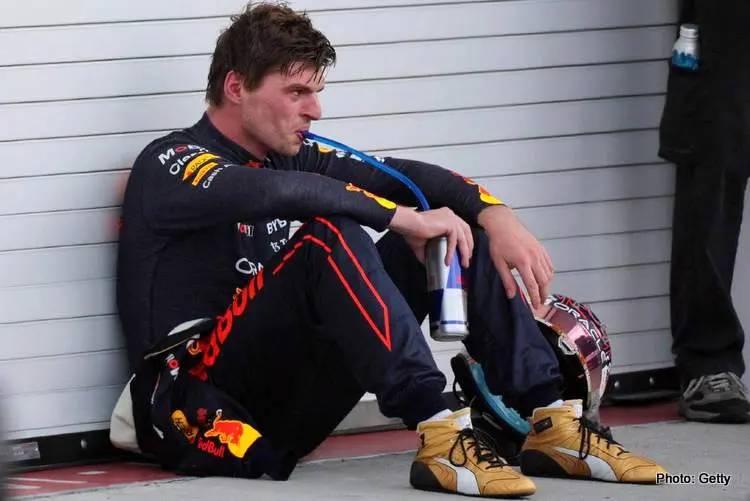
Formula 1 racing is an incredibly demanding sport that places immense physical and mental strain on the drivers.
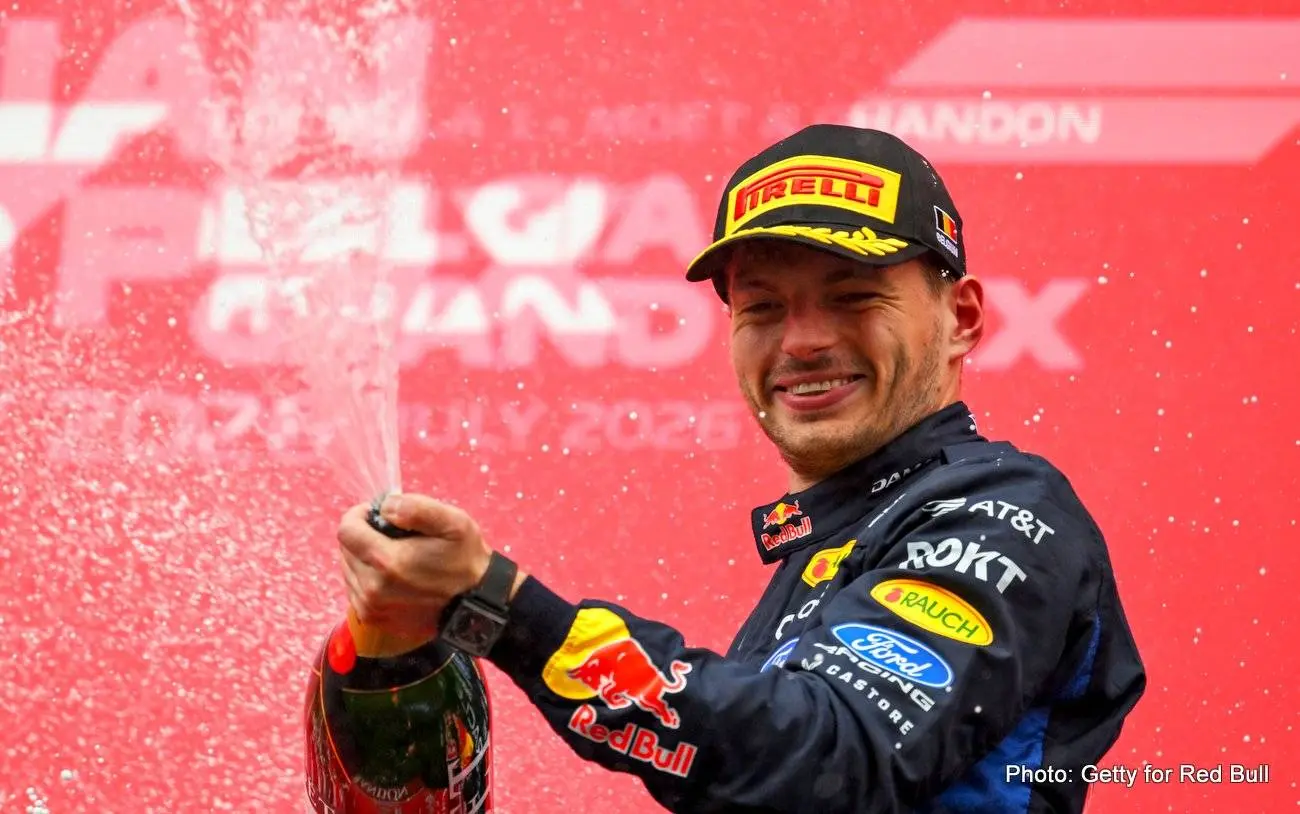
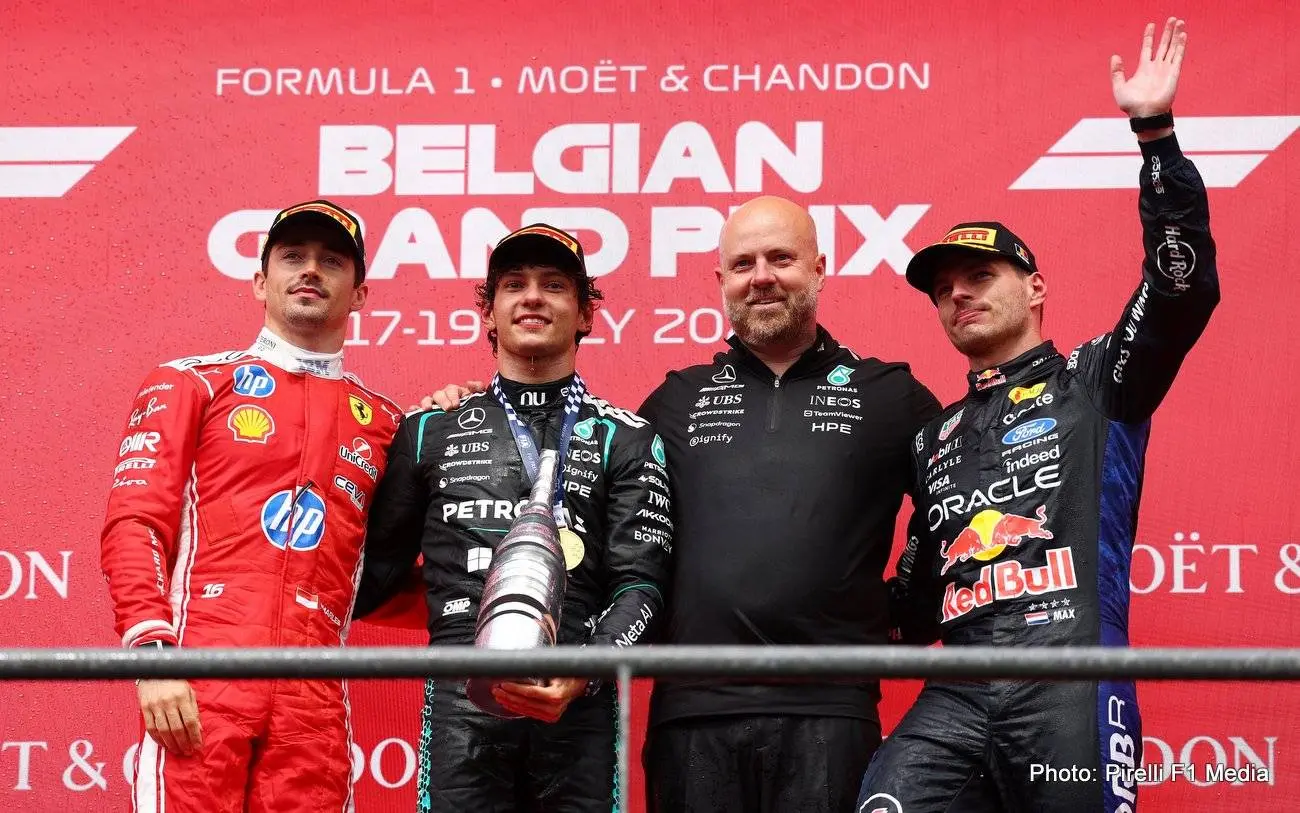
Races last around 1.5 to 2 hours, during which drivers are subjected to intense G-forces, heat, noise and concentration requirements that can take a huge toll. Here is an overview of the key factors that make F1 racing so tiring for the drivers like Charles Leclerc, Lewis Hamilton, Max Verstappen, and Lando Norris.
Physical Demands
The physical demands on F1 drivers during a race are immense. They experience powerful G-forces when braking, cornering and accelerating, pulling up to 5G under braking. This puts a lot of strain on their necks in particular, requiring huge strength to keep their heads upright.
Drivers have to undergo rigorous physical training regimes to build the required fitness, strength and endurance in their necks, core and all-round fitness to handle the G-forces.
Cockpit Heat
The heat levels inside an F1 cockpit are extreme. Temperatures can exceed 50°C, with driving suits having to be made of special breathable and heat-resistant material. Drivers lose several kilos in sweat weight during a race.
This level of heat and fluid loss is hugely draining physically and adds major fatigue over a race distance. F1 drivers train extensively in saunas and heated environments to acclimatise themselves as much as possible.
Noise Fatigue
The noise levels in an F1 car exceed 100 decibels, making the cockpit an intensely noisy environment. Drivers have to communicate with their teams over the radio against this background noise.
The high noise levels induce fatigue and make concentration much harder over the course of a race. Special ear plugs have to be worn to protect drivers' hearing, but these cannot block all the noise out.
Concentration Requirements
F1 drivers are subjected to immense mental strain during a race as they have to concentrate intensely and make split-second decisions for every minute of the race.
At speeds over 300km/h they have to assess cornering points, brake at just the right time, adjust tyre management and engine modes, while communicating with engineers - all with 20 other cars around them. This level of mental concentration leads to huge fatigue setting in, especially in the closing stages of a race.
Post-Race Fatigue
After a race, drivers often describe feelings of exhaustion, drowsiness and low energy. This is the post-exertion fatigue kicking in after the immense physical and mental strain of racing. Recovery times are essential, and some drivers even have brief naps between double-header race weekends to recharge their batteries.
The adrenaline drops post-race also accentuate the exhaustion. Outside of training, temporary energy slumps can be minimised by fast-acting glucose chews such as Lift Glucose Activ Energy Boost.
F1 drivers also have to cope with gruelling race schedules, sometimes with back-to-back or triple-header races intercontinental. This allows limited recovery between races. All of these factors combine to make F1 racing an incredibly tiring endeavour for the drivers.
Their training regimes, fitness levels, diet and recovery strategies are all tailored towards lasting a race distance under immense physical and mental duress.
Latest News

Loading