In 2025, the world of Formula 1 is preparing for significant changes. One of the most noticeable aspects that has caught the attention of experts and fans alike is the new aerodynamics rules that are set to change the dynamics of racing and competition on the track.
These changes have already affected the design of cars, team strategies, and, of course, the racing process itself. In this report, we explore how the new regulations impact speed, maneuverability, and the overall spectacle of Formula 1 racing.
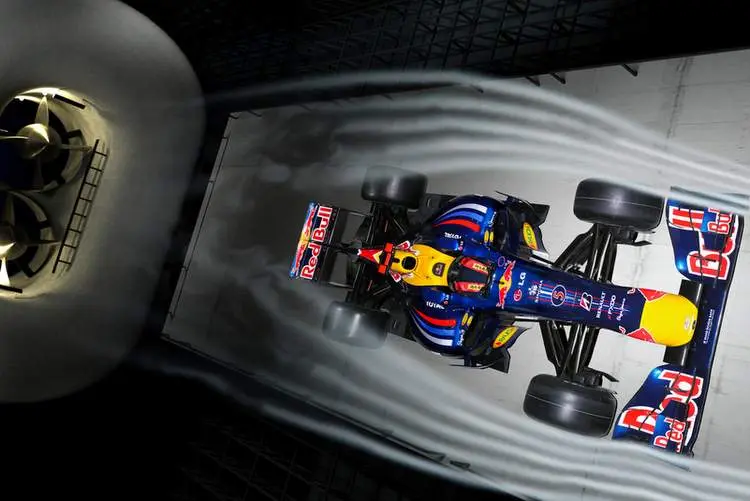
Aerodynamics has always played a key role in Formula 1, but with the new rules in 2025, it is taking center stage. Previously, in an attempt to improve airflow, cars created complex airflows, making it difficult for drivers to follow closely behind their competitors without losing speed.
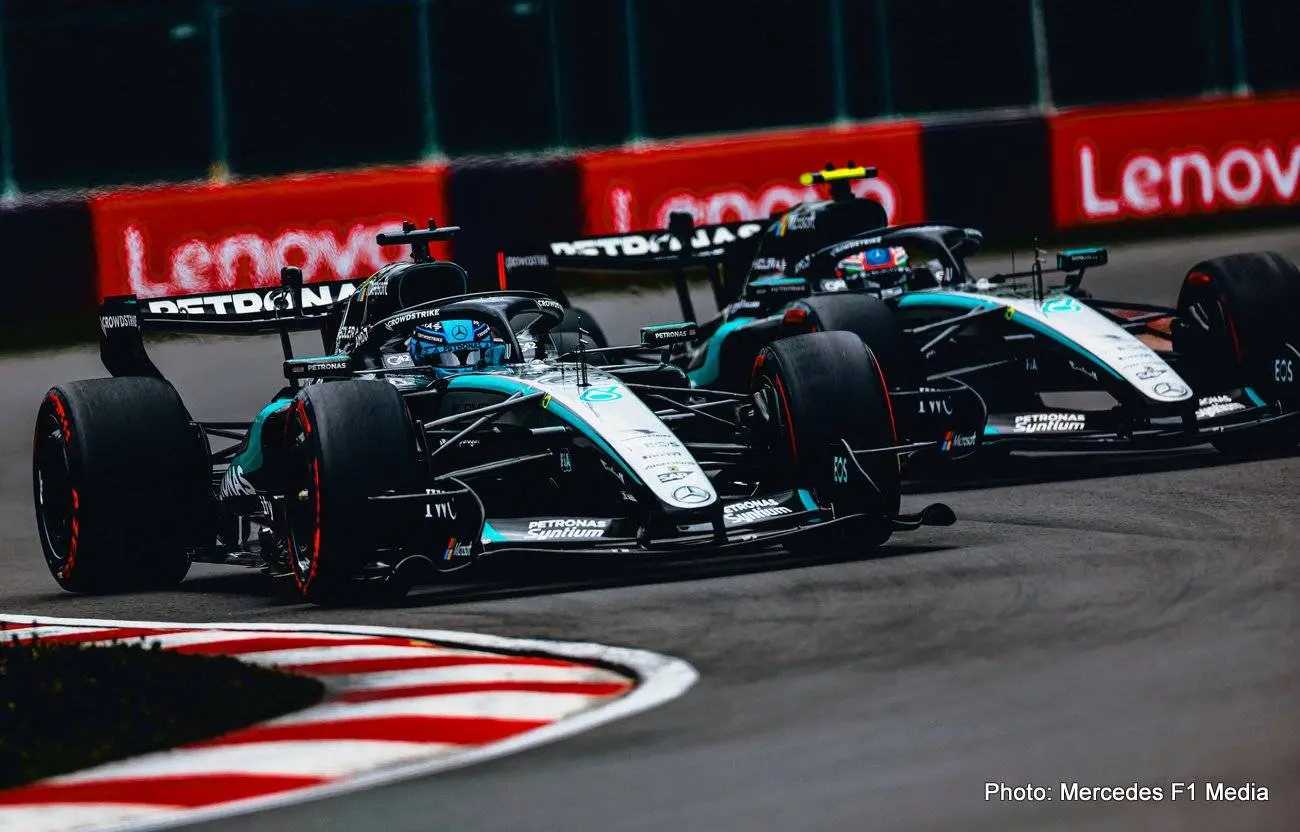
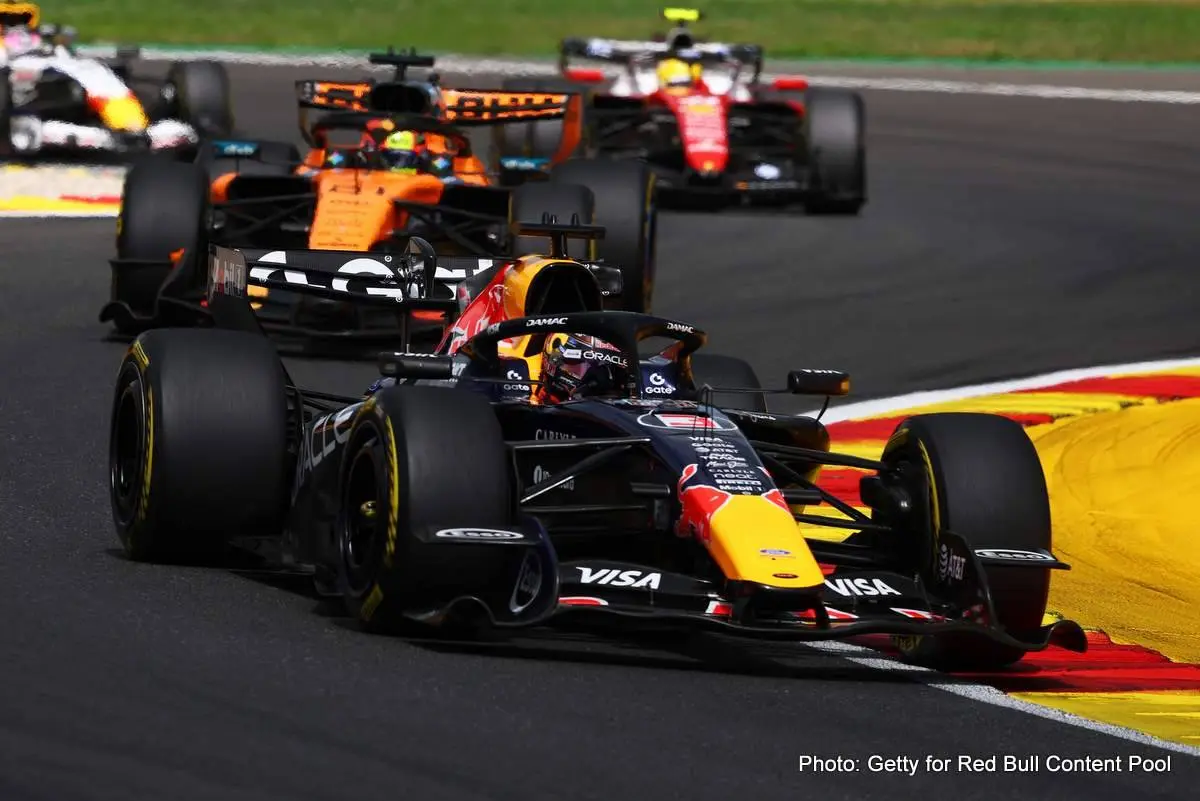
The new regulations aimed at improving aerodynamics and reducing the impact of dirty air are designed to make it easier to execute overtakes, creating conditions for more thrilling battles and tactical decisions.
Changes in aerodynamic elements include stricter requirements for front and rear wings, as well as improvements in car frames and air management systems. This should result in cars behaving more steadily on different types of tracks, even when following closely behind other participants.
Consequently, drivers will have more opportunities to make aggressive overtakes, which will make races even more exciting.
Similar to other fields, such as in gambling, where moments of precise calculation and strategy are crucial for victory — for example, games like plinko game Canada attract attention with their unpredictability and strategic potential, which also resonates in the racing world, where every detail is crucial for winning.
Real Changes in Formula 1 Car Design

Formula 1 teams have already started implementing changes in their car designs to comply with the new aerodynamics rules. It is expected that the new wings and chassis will significantly improve car stability at high speeds and during complex maneuvers. One of the most noticeable examples of these changes is the new front wing design, which now has a different angle of inclination to enhance airflow and reduce turbulence.
Additionally, the new cooling systems and improved airflow management allow cars to use air more efficiently, minimizing drag and maintaining high speed on straights. This, in turn, will lead to more efficient fuel usage, which will play an important role in resource conservation during the race. Clearly, these changes require precise engineering and coordination between engineers and drivers to achieve the best results.
Formula 1 Drivers' and Teams' Tactics

With the arrival of new aerodynamic rules, not only the technology but also the tactics of drivers and teams will change significantly. Drivers will be able to attack more freely on the track, with greater confidence that their cars will behave steadily, even when closely following other competitors. This will lead to more active and risky overtakes, making races more thrilling.
On the other hand, teams will now be forced to revise their strategies, selecting the best tactics for various conditions. For example, whereas the use of dirty air was once a decisive factor that prevented drivers from getting close to each other, now everything will depend on accurate calculations when choosing speed and maneuvers. A key factor will be making the most of the car's capabilities to improve track positions, including interactions with team partners.
Moreover, strategy will not only play a role on the track, but also in pit stops. The effectiveness of pit stops, choosing the right tires, and tuning the car to changing race conditions will become increasingly important.
In a highly competitive environment, especially on tracks with short straights and many turns, the right strategic choice can be a decisive factor. This mirrors situations in games like live casino Canada , where success depends on clear calculation and quick reaction in shifting conditions.
Innovations in Control and Management Systems

In addition to changes in aerodynamics, 2025 will see the introduction of new technologies in the field of car control and management. Modern telemetry systems and AI (artificial intelligence) will become an essential element in optimizing performance on the track.
With the help of complex algorithms and data analysis, teams will be able to receive real-time information about the car's performance, allowing them to respond quickly to changes in the situation. For example, these systems will be able to predict how changes in tire temperature and track conditions will affect car behavior, allowing teams to adjust strategies during the race.
Drivers will also be able to better interact with these new technologies, receiving instant feedback on the car's status and its interaction with the track. This will open up new opportunities for improving their own skills and tactics.
For instance, the ability to receive information about potentially faster lines on the track in real-time will allow drivers to make more informed decisions during the race.
Environmental Aspects and the Future of Formula 1

Equally important in 2025 is the focus on environmental issues. Formula 1 is actively working to reduce its carbon footprint and is incorporating new technologies to make racing more sustainable. One of the initiatives in this regard is the use of cleaner energy sources and the development of more efficient and eco-friendly engines.
The new aerodynamics rules will also aim to improve the fuel efficiency of cars, which will undoubtedly help reduce Formula 1's overall carbon footprint. With each race, teams will need to consider not only speed and tactics but also their environmental impact.
This will not only increase interest in racing among viewers who care about the future of the planet, but also attract new partnerships with companies working in the field of sustainable development.
Impact on Race Spectacle

The changes in aerodynamics will undoubtedly affect the spectacle of Formula 1 races. More stable cars and improved conditions for overtaking promise to add excitement and unexpected twists to the outcome of the race.
Drivers will have more opportunities for attacking maneuvers, and teams will be able to diversify their tactical decisions. All of this will create space for more thrilling and unpredictable events on the track, which will undoubtedly delight fans worldwide.
This will be especially noticeable on tracks where overtaking has traditionally been difficult. Tracks with narrow corners and complex sectors, such as Monaco, can now become arenas for exciting battles where position fights will be decided not only by speed but also by tactical moves. Drivers will be able to make better use of their cars' capabilities, and fans will witness more intense battles on every lap.
Latest News

Loading