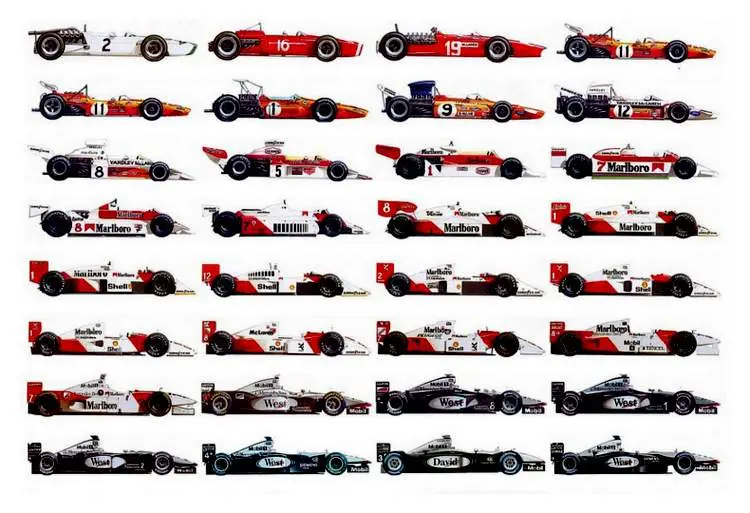
Formula 1 has always been a showcase for cutting-edge technology, where innovation is not just encouraged but essential for survival.
From the earliest days of the championship to the present, the relentless pursuit of performance has driven teams to develop and adopt revolutionary advancements, forever changing the face of motorsport. Let’s explore how technology continues to define the sport and captivate fans worldwide.
Evolution from Garage Tinkering to Technical Powerhouses
The roots of Formula 1 are steeped in mechanical ingenuity, with early teams relying on clever engineering and a bit of luck. Over the decades, the sport has transformed into a battleground for high-tech development.
Modern F1 teams operate more like aerospace companies than traditional racing outfits, employing hundreds of specialists in fields ranging from aerodynamics to data science. Wind tunnels, simulators, and computational fluid dynamics are now as vital as the drivers themselves, ensuring every millisecond is fought for with precision.
How Data and Strategy Drive Racing Success
In today’s F1, data is king. Every car is fitted with a vast array of sensors, transmitting real-time information on everything from tyre temperatures to fuel flow. This data empowers teams to make split-second decisions that can mean the difference between victory and defeat.
Understanding how teams leverage advanced Grand Prix strategy through real-time data insights reveals the intricate decision-making processes that define modern Formula 1 races.
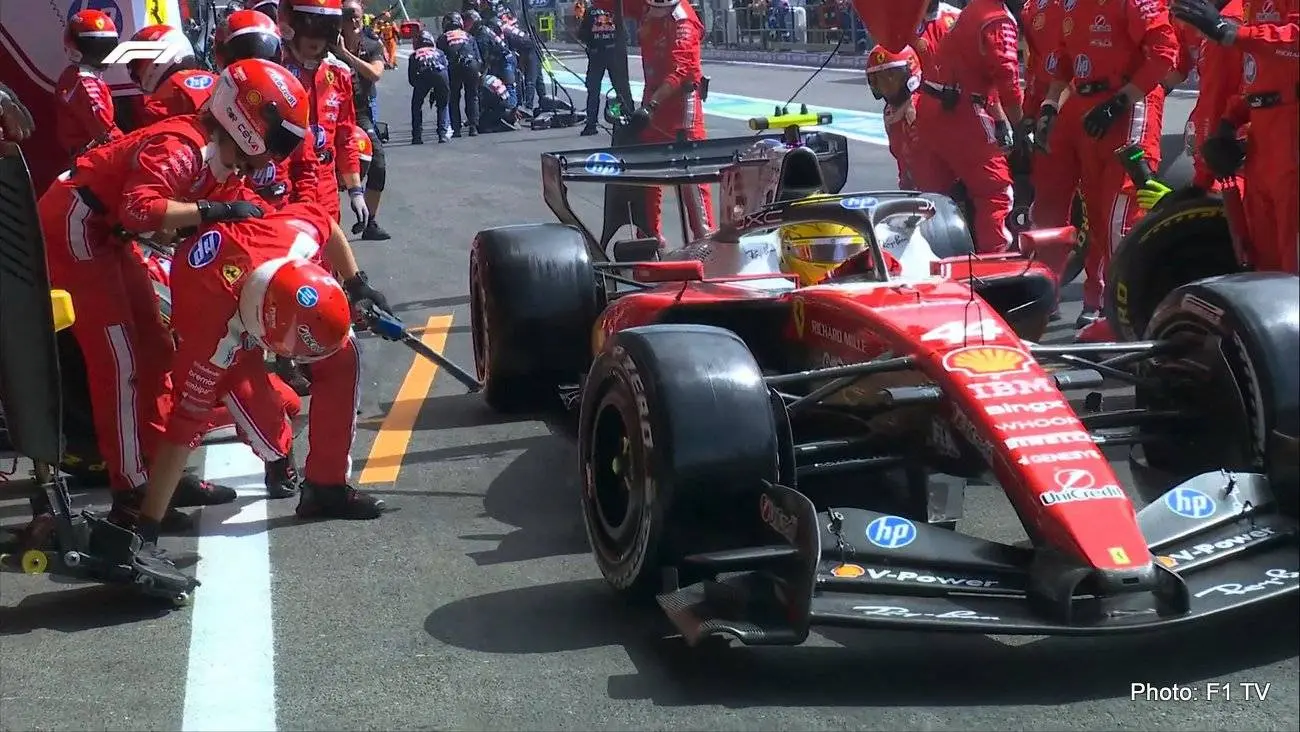
The strategic element has never been more pronounced, with pit stop timing, tyre choices, and even weather predictions all driven by sophisticated algorithms and expert analysis.
How Innovation Extends Beyond the Track

Many of the technologies pioneered in Formula 1 eventually find their way into everyday life. From advanced braking systems to lightweight composite materials, the innovations born on the racetrack often set new standards for the automotive industry.
Hybrid power units, for example, have not only transformed F1 performance but also influenced the development of more efficient road cars. This constant cycle of innovation ensures that F1 remains at the forefront of both sport and technology, inspiring engineers and fans alike.
Ways Technology Enhances Fan Engagement
As technology evolves on the track, it’s also changing how fans experience the sport. Live telemetry, interactive apps, and virtual paddock tours have brought supporters closer to the action than ever before.
While fans enjoy thrilling races and the latest motorsport tech, many also seek engaging online platforms; those interested might explore the best online casinos australia offers for downtime entertainment.
This digital transformation is making Formula 1 more accessible and immersive, ensuring the sport’s passionate community stays connected both on and off race weekends.
The Future of Formula 1 and Technological Progress
With each passing season, Formula 1 continues to push the boundaries of what’s possible. The integration of artificial intelligence, machine learning, and even more advanced materials promises to usher in a new era of performance and spectacle.
As teams and drivers adapt to these rapid changes, one thing remains constant: the spirit of innovation that defines the sport. For fans and participants alike, the future of Formula 1 is as exciting as ever, with technology at its very core.
Latest News





Loading