Formula 1 Innovation & Influence: From motoring to Online Entertainment
F1 NewsTuesday, 24 September 2024 at 01:24
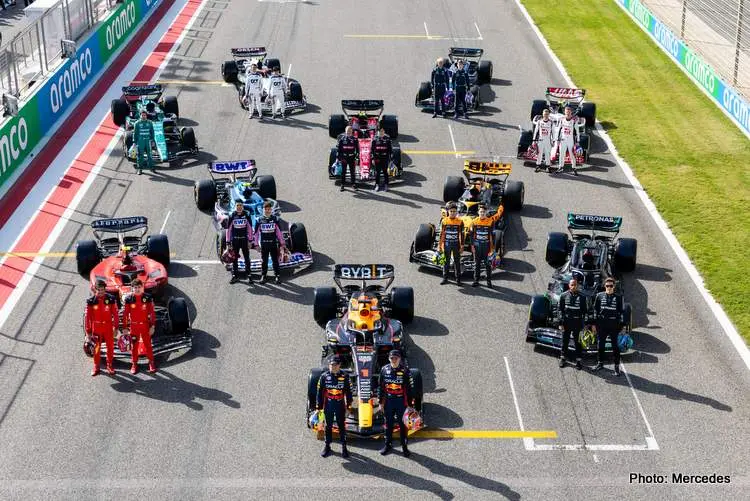
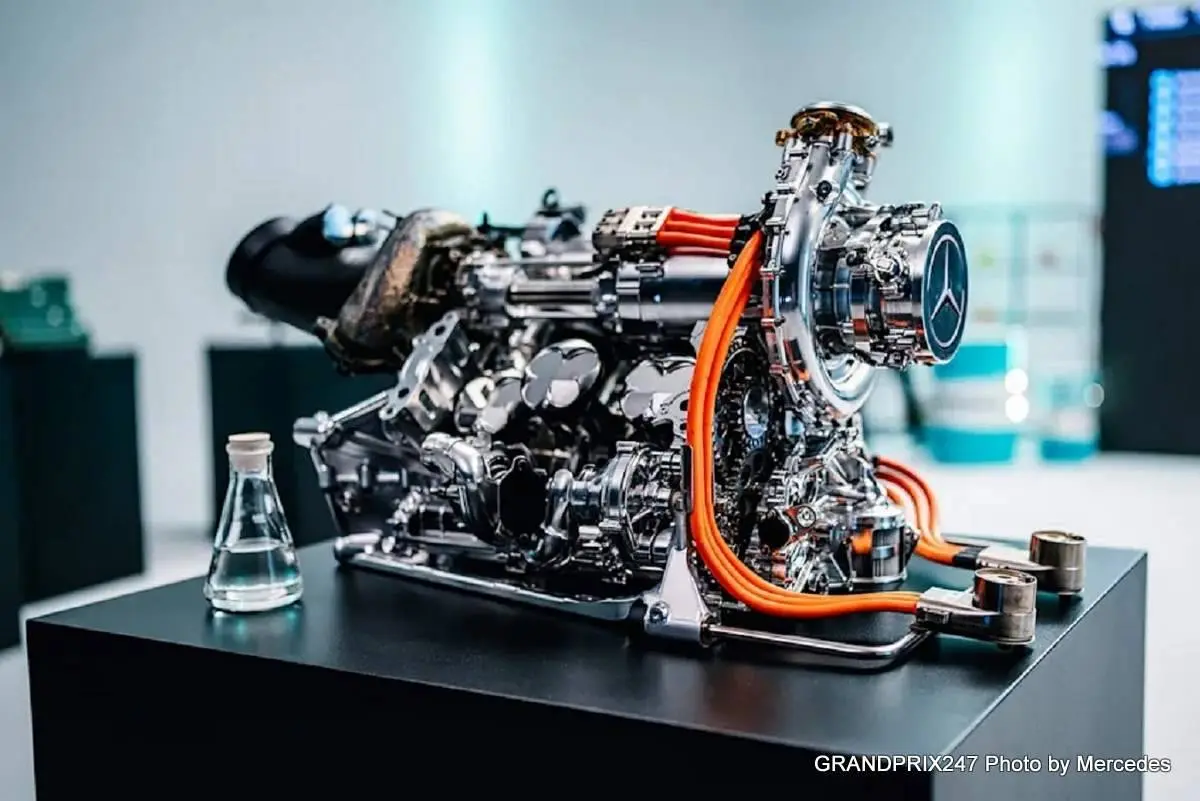
Formula 1 has long been established as a symbol of technological innovation and engineering excellence, advancements in the cars showcase groundbreaking technology from aerodynamic designs to hybrid engines that trickle down to industries from the racetracks.
Such innovations shape the future of automotive technology and influence sectors like gaming and digital entertainment, too. F1’s pursuit of perfection using real time data and technological enhancements has definitely inspired developments in areas like gaming platforms and real-world consumer tech.
Formula 1’s Impact on Automotive Technology

One of F1’s more important contributions to the world is its impact on the automotive industry. This is because technologies that were originally designed for F1 cars now find their way into everyday road vehicles. This enhances both safety and performance for these vehicles.
For instance, regenerative braking was first developed in F1’s Kinetic Energy Recovery Systems (KERS). This was a staple in hybrid and electric vehicles because it helped improve fuel efficiency and performance. As a result, automakers were able to reduce carbon emissions while enhancing the driving experience.
Aerodynamics is another area where F1 has left a significant mark. F1 cars have intricate designs that are optimized for speed and handling. These have then been introduced to commercial vehicles. As a result, spoilers, diffusers, and airflow management systems have evolved from F1’s focus that benefit sports cars greatly so that they can also benefit fuel-efficient sedans.
Apart from these, the use of lightweight materials such as carbon fiber has also transitioned to the automotive industry. These were once exclusive to high-performance racing cars. These days, they are being integrated into consumer vehicles; thereby improving safety while maintaining strength and reducing weight.
Real-Time Technology: A Common Thread Between F1 and Digital Entertainment

One of F1’s most significant differentiators is its reliance on real-time data to make split-second decisions during races. Teams are always gathering data on tire wear, fuel levels, engine performance, and track conditions so that they can adjust strategies while races are ongoing. Real-time feedback used on Formula 1 has inspired industries outside of motorsports to adopt similar technology, especially in digital entertainment and gaming.
For instance, the online gaming industry has embraced real-time technology so they can create immersive and interactive experiences for players. A good example would be Evolution gaming casino, which uses live streaming technology so it can offer real-time, live-dealer casino games.
In the same way that Formula 1 teams rely on instant data so they can adjust their performance while on the track, Evolution Gaming guarantees that players can interact with live dealers, place bets, and make decisions in real time as well. This helps create an engaging and authentic gaming experience.
F1’s Influence on Digital Entertainment

Beyond real-time technology, F1’s innovations have also trickled down to advancements in virtual and augmented reality. Both of these are now revolutionizing digital entertainment.
The same simulation tools being used by Formula 1 teams to analyze race strategies are similar to the VR and AR technologies that are becoming popular in gaming and digital media. These tools allow players and viewers to engage immersively in digital worlds.
The integration of F1 into esports and video games did not come as a surprise after advancements in AR and VR. Games such as F1 2023 offer fans the chance to experience what it’s like to actually drive an F1 car.
The gaming industry has borrowed heavily from F1’s technological advancements by using real-time data collection and high-fidelity simulation so it can offer realistic gaming experiences.
The Future of Cross-Industry Innovation
As F1 continues to push the limits of technology on the racetrack, its innovations will most likely continue to influence different industries. Autonomous driving, advanced safety systems, and enhanced materials are just some of the areas where F1-inspired technology is already making huge waves. The same goes for the gaming and entertainment industries as they use F1 for inspiration.
As F1 continues to innovate, so will other industries like automotive tech, digital entertainment, and online gaming.
Latest News




Loading