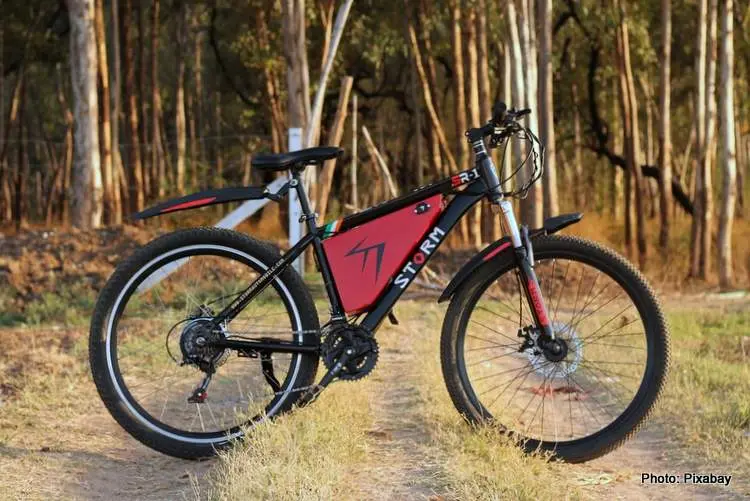
Electric bikes, or eBikes, are a game-changer in personal transportation. They’ve quickly become a favorite for commuters, adventurers, and eco-conscious riders alike.
One of the most exciting aspects of eBikes is their ability to combine the benefits of cycling with the added power of a motor. But when it comes to speed, how fast can electric bikes really go?
The answer isn’t straightforward—it depends on the bike, the rider, and even the laws in your area. Let’s break it down.
What Determines an Electric Bike’s Speed?
The speed of an eBike is influenced by a mix of design, technology, and external factors. Here’s a closer look:
- Motor Wattage:
The motor is the heart of an eBike’s speed. A higher-wattage motor can produce more power, allowing for faster acceleration and a higher top speed. For example, a 250W motor is common for city bikes and typically maxes out at 20 mph. On the other hand, a 750W or 1000W motor can push the limits to 28 mph or even higher on off-road models. These motors are ideal for those who need speed and power, such as riders tackling hills or rough terrain. - Battery Capacity:
A larger battery doesn’t necessarily increase top speed, but it does help maintain speed over longer distances. A powerful battery ensures that the motor can perform consistently without losing power mid-ride. - Terrain and Riding Conditions:
Flat, smooth surfaces allow eBikes to reach their full speed potential. Uphill climbs, gravel roads, and uneven terrain can slow an ebike, even with a strong motor. Wind and weather conditions also play a role. A tailwind can give you a speed boost, while a headwind might require extra effort. - Rider Weight:
Heavier riders require more power to maintain the same speed as lighter riders. While this won’t change the bike’s maximum speed, it can affect how quickly the bike reaches that speed.
Classes of Electric Bikes and Their Speed Limits
Electric bikes are categorized into three main classes based on their speed capabilities and motor operation. Understanding these classes is crucial for choosing an eBike that suits your needs and complies with local laws.
- Class 1:
These bikes offer pedal-assist only, meaning the motor provides assistance only while you’re pedaling. The maximum assisted speed is capped at 20 mph. Class 1 eBikes are popular for city commuters and recreational riders due to their simplicity and widespread acceptance. - Class 2:
Class 2 eBikes come with a throttle function in addition to pedal assist. This allows you to ride without pedaling, up to a top speed of 20 mph. These bikes are great for those who want versatility, such as the ability to take a break from pedaling during a long ride. - Class 3:
Class 3 bikes are the fastest in terms of pedal-assist functionality, with a top speed of 28 mph. They are often referred to as “speed pedelecs.” However, they don’t usually include a throttle and are more restricted in certain areas. Riders often use these bikes for commuting longer distances or on roads where higher speeds are necessary.
What’s the Fastest an Electric Bike Can Legally Go?
In most regions, legal limits on eBike speeds are designed for safety and to classify the bikes appropriately. Here’s a quick overview:
- United States:
As per federal law, eBikes are limited to 20 mph for Class 1 and Class 2 bikes, while Class 3 bikes can assist riders up to 28 mph. States may have additional rules about where these bikes can be ridden and who can use them. - European Union:
EU regulations are stricter, limiting assisted speeds to 15.5 mph (25 km/h). Riders must pedal beyond this speed if they wish to go faster.
For off-road enthusiasts or private-property riders, some high-powered models can exceed these limits, but such usage is not typically allowed on public roads.
Can You Make an Electric Bike Go Faster?
Some riders wonder if they can modify their eBikes to achieve higher speeds. While it’s possible, there are important considerations:
- Legal Implications:
Altering an eBike’s speed settings may classify it as a different type of vehicle, subjecting it to registration, licensing, and insurance requirements. Always check local laws before making modifications. - Safety Concerns:
Higher speeds demand better braking systems and rider awareness. Modifying an eBike may also void its warranty or compromise its safety features. - Practical Alternatives:
Instead of modifying your eBike, consider choosing a model designed for higher speeds, such as a Class 3 eBike.
Is Faster Always Better?
While high-speed eBikes can be thrilling, speed isn’t everything. Safety and practicality should always come first:
- Safety Equipment:
Riding at higher speeds increases the risk of accidents. Always wear a helmet and consider additional safety gear like gloves and reflective clothing. - Battery Efficiency:
Faster speeds consume more battery power, reducing your overall range. Striking a balance between speed and efficiency is key. - Control and Comfort:
Riding at maximum speed isn’t always the most comfortable or practical option. Focus on a smooth and enjoyable ride rather than pushing limits.
Electric bikes offer a practical and enjoyable way to travel, combining convenience, efficiency, and sustainability. While speed is an exciting feature, it’s important to understand the factors that influence it and the legal limits designed to keep riders safe.
Whether you’re commuting to work, exploring new trails, or running errands, there’s an eBike tailored to your lifestyle. But - always prioritize safety, follow local regulations, and choose a model that meets your needs for a smooth and enjoyable riding experience every time.
Latest News






Loading