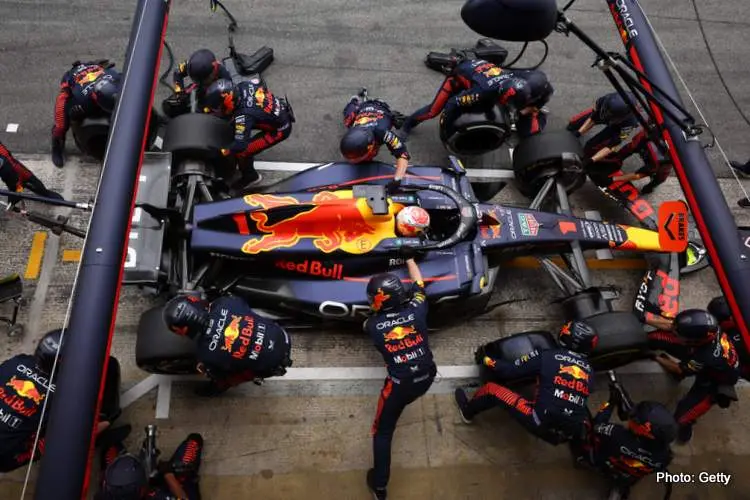
In Formula 1, milliseconds decide victories, but pit strategy often determines the winner. Teams analyse tyre wear, traffic, and weather to craft flawless plans. A single misjudged stop can cost positions—or the race.
In Formula 1 racing, winning is not just about speed but also strategy. Pit stops can elevate a good race into a legendary win. During the race, teams are required to solve tyre degradation, bad weather and traffic. One mistimed decision can unravel an entire weekend’s effort. This same razor-edge tension defines the experience when you start winning at Lucky Hills, where every decision echoes the strategic intensity of motorsport’s greatest moments.
The Hidden Math Behind Pit Stop Perfection
Pit strategy blends data and instinct. Engineers calculate tyre degradation rates, fuel loads, and rival lap times. A late safety car can turn a conservative one-stop into a disaster. Teams like Mercedes and Red Bull excel by adapting mid-race. Here’s why pit decisions are pivotal:
- Over 70% of races since 2020 were won by drivers who pitted fewer times than their rivals.
- The average F1 pit stop takes just 2.2 seconds, but a 3-second delay loses 1.5 positions.
- In 2023, 5 victories were decided by undercut strategies in laps 20–30.
- Wet-weather races see 40% more pit errors due to changing tyre demands.
- Ferrari’s 2022 Spain miscalculation cost Charles Leclerc 25 seconds and the lead.
Even the most refined strategies must be adjusted in real time, with every second on the pit wall echoing through the final lap. Teams monitor over 300 data points per second, yet still rely on intuition when milliseconds separate success from failure.
When Risk Outweighs Reward in Pit Lane

Aggressive strategies can backfire. Pitting too early risks tyre wear; pitting late risks traffic. Alpine’s 2021 Hungary gamble left Fernando Alonso stuck behind slower cars. Conversely, Red Bull’s 2023 Monaco patience secured Max Verstappen’s win. Teams must balance:
- Track position vs. fresh tyres
- Safety car windows
- Competitor reactions
A 2024 analysis showed 12 teams lost podiums by misreading rivals’ pit intentions. Risk management in the pit lane is as psychological as it is statistical. The most successful teams maintain multiple contingencies and communicate scenarios in advance to drivers, reducing the chance of rushed, reactive decisions.
How Technology Transforms Pit Wall Decisions
Real-time telemetry reshapes strategy. Sensors monitor tyre temps, brake wear, and fuel flow. AI models predict safety car probabilities with 80% accuracy. McLaren’s 2023 Qatar win relied on live wind data delaying their stop. Yet human judgment remains irreplaceable—Red Bull’s strategists overrode software to pit Verstappen in Japan. Machine learning tools also help simulate thousands of race scenarios before a Grand Prix even begins, but adaptability mid-race still defines champions. As the lines between human insight and machine calculation blur, one thing remains clear: the pit wall is where strategy comes to life.
Pit strategy is F1’s silent battleground. A perfect lap means little without the right stops. Whether on track or online, mastery demands foresight and adaptability. Choose wisely, and victory follows.
Latest News

Loading