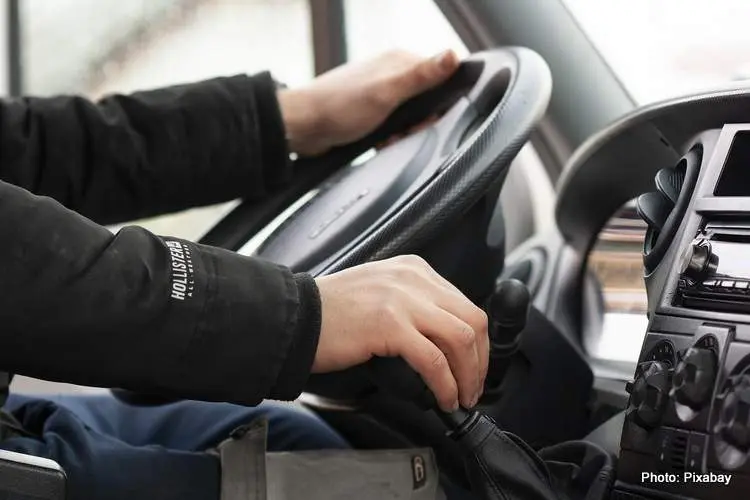
If you think that all driver's licenses are the same, think again. There is a major difference in the requirements between being eligible to drive a sedan and a MAC truck.
If you have an interest in driving a vehicle of an unusual type, it would do you good to familiarize yourself with the basic requirements for different types of licenses.
And if you live in an area where drivers tend to let loose on the road, it is a good idea to know what you have to do to secure your place on the road.
Particularly in states like Texas, drivers can surge ahead at pretty incredible speeds. It would be to your advantage to learn defensive driving Texas so that you don’t get intimidated.
Commercial driver's licenses
Commercial driver's licenses are required to drive commercial motor vehicles of all sorts. This includes trucks, buses, and vehicles that transport hazardous materials. Commercial licenses are divided into three types:
- Class A. To receive a Class A license, you must be at least 18 years old. If you receive a Class A license, it allows you to drive vehicles with a combined weight of 26,001 pounds or more. Part of this weight can include a towed vehicle with 10,000 pounds or more of weight.
- Class B. Class B licenses require that you be at least 18 years old and have similar requirements to Class A licenses. The primary difference is that you cannot drive towed vehicles.
- Class C. Class C licenses serve two major purposes: to operate vehicles that transport 16 or more passengers, and to transport hazardous materials.
The main distinguishing characteristics of commercial licenses are a more thorough level of testing and longer training sessions. Commercial vehicles are both more difficult to understand, and more difficult to maneuver than standard cars are.
Non-commercial driver’s licenses
The other major category of licenses is non-commercial driver’s licenses. The four main types are the following:
- Class A. Class A licenses allow you to drive any type of non-commercial vehicle. This includes the following vehicle types:
- Passenger cars, which are cars used for individual transportation
- SUVs, which are usually used by whole families
- Pickup trucks and light trucks that are not used for commercial purposes
- Motorcycles used for personal use
- Vans and recreational vehicles (RVs)
- Class B. Class B allows you to drive a single non-commercial vehicle or combination of non-commercial vehicles.
- Class C. Class C allows for driving a combination of vehicles that weigh less than 26,001 pounds.
- Class M. Class M allows you to drive a motorcycle.
Non-commercial vehicle licenses generally involve some sort of physical training that can include driver’s education and a physical driving test. It also includes a written test, which varies in length and complexity from state to state.
Non-commercial driving also involves weight limits on the cars that people drive. Limits vary from type to type.
Requirements to become a race car driver
Many people are at least somewhat familiar with the requirements to drive a standard car. The real question, though, is what it takes to become a race car driver. The tests people have to pass to receive a standard license are nothing like what pro drivers have to go through. Let’s take a closer look at the requirements, starting with licensure.
Getting a race car driver’s license
To obtain a racing license, you need to fulfill several criteria:
- Get a competition license from one of the official governing bodies of motorsport competitions
- Pass a theory test that includes racing rules, safety procedures, and things such as flags
- Pass a practical test that is the equivalent of a road test for standard licenses
- Pass a medical exam proving that you are physically fit
Most drivers go to formal racing schools to help them prepare for and pass these tests.
Preparation
Pro racers have to go through a lot more preparation than regular drivers do. They go through extended endurance training, as well as strength training and mental training. Mental training is an important component of the sport as it is so psychologically intense.
Pro racers start small by participating in amateur races so that they can get a feel for the sport and hone their techniques. As in other sports, there are levels that drivers pass through en route to becoming professionals. Only the very best make it to this level.
The importance of networking
Pro racing requires a lot of networking to make it to the top. It isn’t like a lot of other sports where you can make it just by talent and hard work alone. Drivers are expected to network with other drivers, as well as engineers and other people that are involved to become part of the community. They also need to have money, so many drivers look for funding.
Overall, pro racers are a fundamentally different type of driver than any other type. They are the athletes of the driving world, and consequently have to come prepared with this type of mindset. There are only a select few that make it to the top, and they are a special breed.
Driving is an art
Regardless of what you drive, you should remember that it is a skill to be learned, not simply a privilege that everyone is born with. Different classes of driver’s licenses have widely different requirements, and becoming a professional racer is something that only a select few can achieve.
Regardless of what your personal driving goals are, you should take the process of learning seriously, and figure out exactly what you need to do to drive your vehicle or vehicles before you get started.
Latest News







Loading