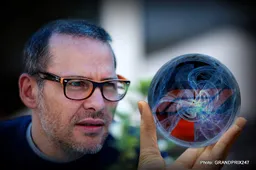
The FIA's head of single-seater racing, Nikolas Tombazis, explained how the money generated from fines paid by Formula 1 drivers is being spent.
That comes after much debate during the 2024 F1 season between drivers and the FIA regarding transparency on how the money drivers pay for getting fines after committing offenses on track and sometimes off track.
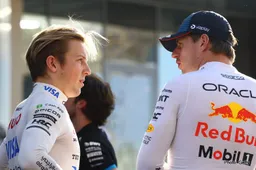
Mercedes' George Russell has been vocal about this topic through his role as GPDA director in a series of exchanges with the governing body and its president, Mohammed Ben Sulayem, who told the drivers it was none of their business how the FIA spent its money.
That came in the aftermath of Ben Sulayem's clampdown on foul language sometimes drivers said on heated moments over the team radio or even outside the cockpit.
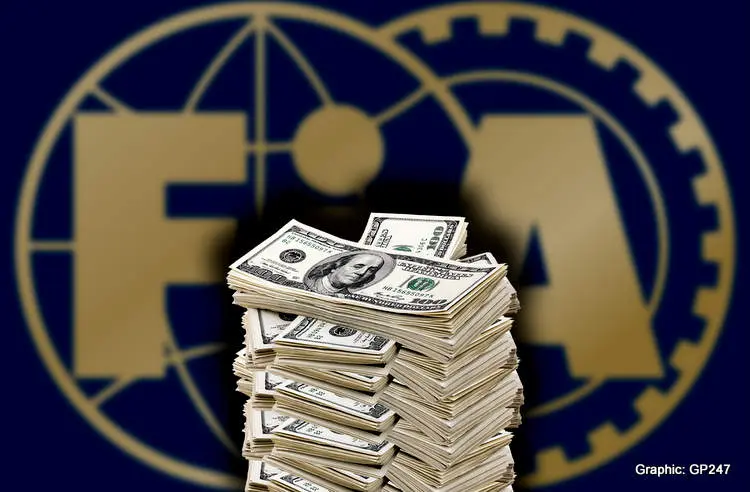
But speaking to Motorsport.com, Tombazis insisted all the money the FIA generated through fines (270,000 euros in 2024) is being spent on good causes as it helps fund the FIA's grassroots projects and social initiatives.
Tombazis said: "The FIA is not a profit-making organization. We don't have shareholders who are looking at some numbers in the stock exchange and hoping for share price to go up or get more dividends or anything like that.
"So all the money is spent on what is considered to be beneficial aspects, whether it is for safety, for grassroots in motorsport, or sometimes other projects which are to do with road safety.
"I think this question is sometimes slightly influenced by the emotions of the moment, of whatever fine is being discussed and so on," he pointed out. "I realize that anyone who is paying a fine is always slightly annoyed about it and may feel somewhat aggrieved, but for sure there are so many different levels of projects that you can never come to the conclusion that this money is somehow spent for Christmas parties and so on.
FIA spends more money than the fines it collects

"The amount of money spent in grassroots vastly exceeds the fines accumulated, which I think indicates that anything that goes in there will have a positive impact. You would struggle to find projects at the FIA that don't have some motorsport grassroots or social impact.
"What I can say with absolute certainty is that fines of drivers in one sport don't subsidize another sport or another category or something like that.
"But if you look at other initiatives, whether it is our campaigns, like the one about online abuse and all the grassroots we've been talking about before, or safety projects, I believe are noble ways of spending such money. And this money does contribute to that," Tombazis insisted.
The former Ferrari engineer went on revealing the amount of money the FIA spent on its projects, which he also claimed were key in developing the next generation of drivers and officials into F1.
He added: "There's about 10.3 million euros spent on grassroots, for many clubs, for many countries, just to promote a range of projects of early motorsport activity, and I think that is very important.
"Ultimately, I think the health of Formula 1 is largely dependent on the overall appeal of motorsport. It's not just having an exciting grand prix, but it's also having more people who generally even do some relatively low level of grassroots level of motorsport in their country. I think that's going to be ultimately beneficial for Formula 1.
"The other part, of course, is in order to select drivers for the future, how drivers can grow into the ladder and have the opportunity to do so even if they're maybe not coming from a wealthy family, for example.
"That is what is ultimately the key aim," Tombazis insisted in conclusion.
Latest News
Loading