How Data and Real-Time Analytics Are Changing the Way F1 Fans Follow Races
F1 NewsSunday, 15 March 2026 at 11:13
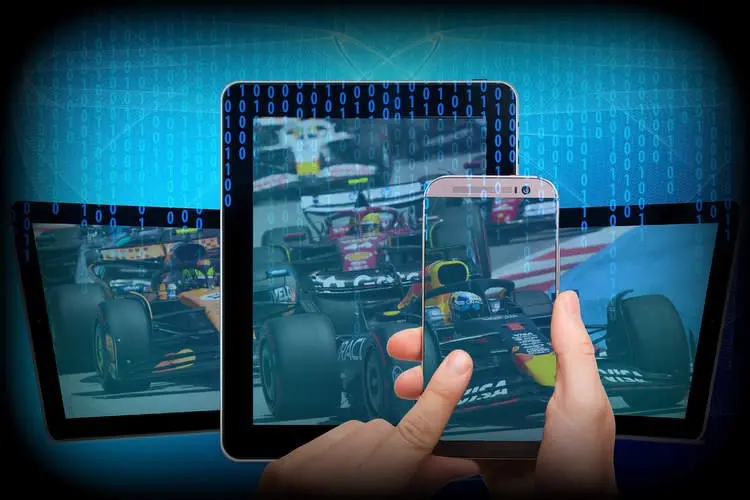
Formula 1 has always been a sport driven by precision, innovation, and data. From telemetry systems inside the cars to strategic decisions made on the pit wall, information has long been at the heart of racing. However, in recent years, that data has extended beyond the teams and into the hands of fans.
Today’s Formula 1 audience is no longer limited to watching races passively. Fans actively engage with real-time insights, driver statistics, tire strategies, and live timing dashboards. This shift has transformed the viewing experience into something far more interactive and analytical.
Modern broadcasts now integrate detailed graphics that display speed, sector times, tire degradation, and race strategy predictions. These elements allow viewers to understand not just what is happening on track, but why it is happening.
As a result, fans are becoming more informed and more invested. Instead of simply reacting to overtakes or pit stops, they anticipate them. They follow patterns, compare performances, and interpret race developments in real time.
This evolution mirrors broader trends across global sports. In many disciplines, platforms that combine statistics, insights, and interactive tools similar to what users might encounter on an NBA betting site are reshaping how audiences consume live events.
The Rise of Second-Screen Viewing
One of the most significant changes in fan behavior is the rise of second-screen viewing. While watching a race on television, many fans simultaneously use smartphones, tablets, or laptops to track additional data streams.
These second-screen experiences include official F1 apps, live timing services, social media discussions, and independent analytics platforms. Together, they create a layered experience where fans can dive deeper into the race as it unfolds.
This behavior reflects a broader shift toward multi-platform engagement. Just as mobile-first ecosystems similar in structure to an MPL betting site have changed how users interact with competitive environments, Formula 1 is embracing a more connected and interactive audience model.
Data-Driven Storytelling in Formula 1
Beyond raw numbers, data is also enhancing storytelling in Formula 1. Commentators and analysts now use advanced metrics to explain race strategies, driver performance, and team decisions.
For example, tire management data can reveal why one driver is gaining pace while another is struggling. Fuel loads, aerodynamic efficiency, and weather conditions all contribute to a deeper narrative that unfolds throughout the race.
This approach transforms Formula 1 into a more accessible sport for new viewers while offering experienced fans even greater depth. It bridges the gap between casual entertainment and technical understanding.
Global Growth and Digital Platforms
Formula 1’s global audience continues to expand, particularly in regions where digital platforms play a key role in sports consumption. Fans from Asia, the Middle East, and other emerging markets are increasingly engaging with Formula 1 through mobile devices and online services.
In these regions 1xBet Malaysia illustrates how sports engagement is evolving into a digital-first experience. While Formula 1 remains the focal point, the surrounding ecosystem of data, interactivity, and real-time access enhances how fans connect with the sport.
This global growth is not just about audience numbers it is about how fans experience Formula 1 in a connected, data-rich environment.
The Blurring Line Between Analysis and Interaction
As data becomes more accessible, the line between analysis and interaction continues to blur. Fans are no longer just observers; they are participants in the analytical process.
They compare lap times, evaluate strategies, and discuss race scenarios in real time. This level of engagement creates a more immersive experience, where understanding the sport becomes part of the enjoyment.
The integration of data, technology, and user interaction is turning Formula 1 into a fully digital experience that extends far beyond the race itself.
The Future of Fan Engagement in F1
Looking ahead, the role of data in Formula 1 will only continue to grow. Advances in artificial intelligence, predictive analytics, and real-time visualization are likely to further enhance how fans interact with the sport.
We can expect more personalized data feeds, deeper insights, and even more immersive viewing experiences. Virtual and augmented reality may also play a role, bringing fans closer to the action than ever before.
Ultimately, Formula 1 is not just evolving on the track it is evolving in how it is experienced. Data and analytics are at the center of this transformation, redefining what it means to be a fan in the digital age.
As technology continues to advance, the connection between fans and the sport will become even stronger, ensuring that Formula 1 remains at the forefront of innovation both on and off the circuit.
Latest News





Loading