How Cryptocurrency is Revolutionizing Sponsorships in Formula 1?
F1 NewsTuesday, 28 May 2024 at 01:29
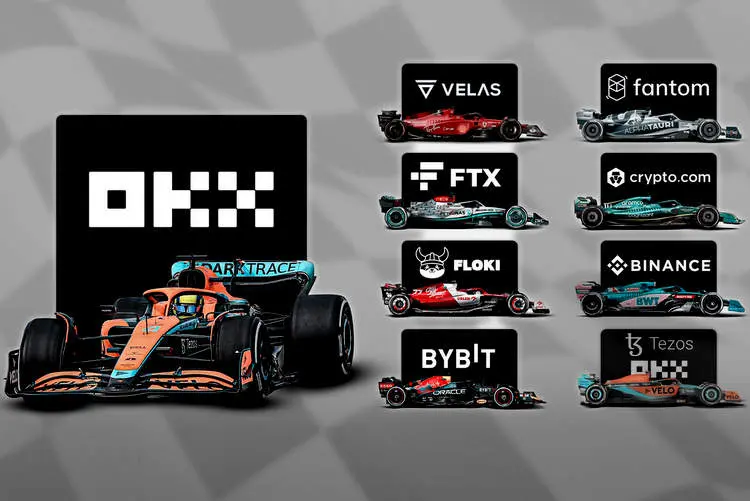
Formula 1 sponsorships are undergoing a change propelled by cryptocurrency. As they gain popularity, F1 teams are adopting blockchain technology and digital currencies, creating fascinating new alliances.
This combination promises to change sponsorship models, increase fan involvement, and completely change the financial landscape of sports. Find out how cryptocurrency is advancing Formula 1's future at trade-cipro.com/.
Companies Using Cryptocurrencies to Enter Formula 1
In Formula 1, cryptocurrency startups are gaining significant traction. They view the sport as the ideal stage to present their businesses to a worldwide audience. Leading companies in this space are Binance and Crypto.com.
Their emblems are now seen on race suits, automobiles, and billboards near racetracks. This goes beyond simple marketing strategy. It represents a strategic investment for these businesses. Fans of Formula 1 are renowned for their spending power and loyalty.
For instance, the collaboration between Crypto.com and Aston Martin has improved brand awareness and produced creative fan experiences. By interacting with the team on social media or attending events, fans can earn NFTs.
Fans now have an innovative method to interact with the brand and the sport through these digital artefacts. Similarly, Binance's sponsorship of the Alpine F1 Team consists of several educational programs meant to enlighten fans about Bitcoin and increase accessibility to the technology.
There are no indications that this trend will abate. As more cryptocurrency businesses enter the competition, we may anticipate even more inventive and captivating sponsorship agreements. Modern technology and fast-paced racing are a great mix; both sectors have much to gain from this collaboration.
Revolutionary Effect on Sponsorship Schemes
With the advent of cryptocurrencies, Formula 1's conventional sponsorship patterns are changing quickly. Crypto sponsorships introduce new types of engagement and transactions, unlike traditional arrangements that frequently include monetary swaps.
Teams are now paid using cryptocurrencies, which offer extra efficiency and transparency since they can be instantaneously validated and transferred.
Consider NFTs as an example. Now that these digital tokens are available, there are countless new opportunities for fan interaction.
Teams now allow fans to purchase, sell, and trade exclusive NFTs. These tokens frequently have exclusive benefits, such as virtual meet-and-greets with drivers, access to behind-the-scenes material, or even tangible goods.
The application of blockchain technology to contracts is another noteworthy development. Smart contracts are becoming more popular; they operate automatically when specific criteria are met.
This expedites the procedure overall and lessens the need for intermediaries. A sponsorship agreement might contain a provision that releases money if a driver wins a race or a team reaches a particular goal.
These developments are transforming the Formula 1 sponsorship landscape, making it more flexible and responsive to the needs of both sponsors and fans. Cryptocurrencies are spreading faster than ever before, completely changing how sponsorships can be organized and executed.
The Digital Ecosystem of Formula 1 May Gain from Cryptocurrency
Cryptocurrency plays a significant role in enhancing Formula 1's digital ecosystem. One significant effect is how blockchain technology is used in all aspects of the sport. Blockchain technology offers a transparent and secure transaction management mechanism necessary in a high-stakes environment such as Formula 1.
Another exciting addition is the option to purchase tickets and other products with cryptocurrency. Fans may now buy food and drinks, team merchandise, and race tickets with their favourite cryptocurrency at the track. This speeds up and streamlines transactions while bringing Formula 1 to a larger audience, particularly younger, tech-savvy fans.
Virtual and augmented reality are also enhancing the digital experiences of fans (VR). Cryptocurrency companies are investing in these technologies to create compelling fan experiences.
For example, viewers can use VR to take a virtual tour of the paddock or AR to get real-time data and statistics during a race.
Furthermore, tokenized rewards and loyalty programs, thanks to the use of cryptocurrencies, allow for new ways to engage fans. Fans can earn tokens by taking part in different activities, like forecasting race results or interacting with teams on social media.
Financial Consequences for Teams and the Game
Sponsorships with cryptocurrencies have significant financial ramifications for Formula 1 teams and the sport overall. These sponsorships give teams a considerable increase in money. Cryptocurrency payments are quick and safe, in contrast to traditional transactions, which could be complicated and often delayed.
More broadly, sponsorships involving cryptocurrencies draw a new audience to Formula 1. Fans of the sport are emerging from among the younger, tech-savvy population who may have yet to follow it in the past.
This audience growth results from increased viewership numbers, more merchandise purchases, and more vital fan involvement. Since these new followers are more likely to follow the sport online, it also creates newrevenue streams through digital channels.
Furthermore, incorporating blockchain technology into other facets of Formula 1 business may result in lower costs and more productivity. For instance, using blockchain for ticket and product sales can lower fraud and administrative expenses.
When specific conditions are met, monies can be released automatically thanks to smart contracts, expediting several operations. This degree of automation expedites transactions and lessens the need for intermediaries.
Sponsorships using cryptocurrencies also have the potential to stabilize the sport's finances, which is crucial given the impact of the COVID-19 pandemic on the world economy.
With the support of fresh capital, teams may invest in long-term growth and weather financial uncertainty. This might lead to more competitive races, improved fan experiences, and a more promising economic future for the sport.
Concluding Remark: The Combination of Cryptocurrency and Formula 1
Formula 1 sponsorships are changing due to cryptocurrency's new investment, creative fan experiences, and stability in the economy. The cryptocurrency and Formula One businesses stand to gain significantly as they continue to meld. This exciting precedent-setting powerful synergy demonstrates how cutting-edge technology may transform traditional sports. With cryptocurrency at the forefront, Formula 1's future appears tremendously bright.
Latest News






Loading