How Artificial Intelligence Is Transforming Formula 1 Team Strategy
F1 NewsMonday, 08 December 2025 at 04:49
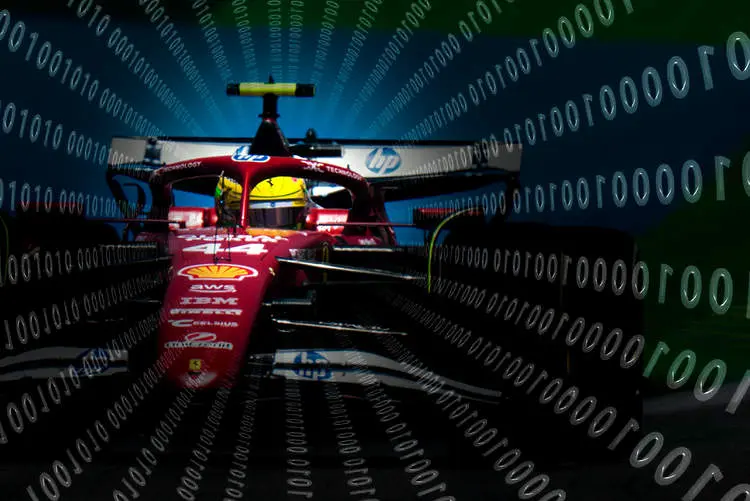
In the high-speed, high-stakes world of Formula 1, every decision can mean the difference between victory and defeat. That's where artificial steps in with strategy.
While the skill of the driver and the engineering excellence of the car remain crucial, modern F1 is increasingly driven by data and strategy. Teams are no longer relying solely on human intuition and experience—they are turning to artificial intelligence (AI) to gain a competitive edge.
AI has become a silent yet powerful member of every pit crew, analyzing vast amounts of telemetry data, predicting tire degradation, forecasting weather impacts, and simulating countless race scenarios in real time. By processing information faster and more accurately than humans ever could, AI allows teams to make strategic decisions with unprecedented precision. From optimizing pit stop timing to adjusting car setup mid-race, AI is transforming the very essence of Formula 1 strategy.
This article delves into how artificial intelligence is reshaping F1 team strategy, exploring its impact on race planning, car performance, driver development, and the competitive landscape of one of the most technologically advanced sports in the world.
The Role of Data in Formula 1

Formula 1 is often described as the pinnacle of motorsport engineering, but behind the roar of engines and the thrill of overtakes lies an invisible powerhouse: data. Each F1 car generates thousands of data points every second—from tire pressure, brake temperatures, and fuel consumption to aerodynamic performance and driver inputs. This vast stream of information allows teams to monitor performance, anticipate issues, and fine-tune strategies both before and during a race.
Historically, teams relied heavily on the experience and intuition of engineers and strategists to interpret this data. Today, AI-driven analytics can process enormous amounts of information in real time, identifying patterns and predicting outcomes far faster than humans. For example, by analyzing telemetry data, a team can determine the optimal pit stop window, foresee tire degradation, or even anticipate a competitor’s strategy.
This sophisticated use of data is not unlike the strategy seen in modern online platforms such as CashCasino, where real-time analytics and AI-driven insights help optimize decisions, manage risk, and increase performance efficiency. In a similar way, F1 teams rely on continuous data processing to gain a strategic edge on the track.
In essence, data is the foundation upon which modern F1 strategy is built. Without it, even the most skilled driver and the fastest car may fall short in a sport where every fraction of a second counts.
AI in Race Strategy

In Formula 1, winning is as much about strategy as it is about speed. Every decision—from when to pit to which tires to use—can make the difference between standing on the podium or falling behind. Artificial intelligence has revolutionized this aspect of the sport by providing teams with tools to analyze, predict, and optimize race strategies in real time.
AI-powered systems can simulate countless race scenarios, taking into account factors such as tire wear, fuel consumption, weather changes, track conditions, and even competitor behavior. By processing this data at incredible speeds, teams can identify the most effective strategies before and during the race. For instance, predictive modeling can forecast the optimal pit stop window or suggest adjustments to car setup that could shave crucial milliseconds off lap times.
Moreover, AI helps teams respond instantly to unexpected events, such as safety cars, crashes, or sudden weather changes. These real-time insights allow strategists to make calculated decisions that maximize performance under pressure. The approach is somewhat similar to how users engage with Live Betting platforms, where real-time data, sudden shifts, and fast decision-making shape the final outcome. Just as bettors respond instantly to changing odds, F1 teams rely on AI to adapt to safety cars, weather fluctuations, or tire degradation the moment they occur.
By integrating AI into race strategy, Formula 1 teams are not just reacting to events—they are predicting and shaping them, turning data into a decisive competitive advantage.
AI in Car Performance and Development

Beyond race-day strategy, artificial intelligence is transforming the way Formula 1 cars are designed, tested, and optimized. Modern F1 vehicles are technological masterpieces, and even minor improvements in aerodynamics, engine performance, or suspension setup can yield significant advantages on the track. AI accelerates this process by analyzing vast amounts of engineering data and identifying patterns that might be invisible to human engineers.
Machine learning algorithms can simulate countless design iterations in a fraction of the time it would take using traditional methods. From optimizing the airflow over the car’s bodywork to fine-tuning suspension systems for different tracks, AI helps teams extract maximum performance while minimizing trial-and-error testing. This not only shortens development cycles but also reduces costs, allowing teams to innovate faster.
Predictive maintenance is another critical application of AI in car performance. Sensors embedded throughout the vehicle continuously monitor components for signs of wear or stress. AI analyzes this data to predict potential failures before they occur, preventing costly breakdowns during practice sessions or races. This proactive approach ensures that the car operates at peak efficiency and reliability, giving the team a strategic advantage.
Additionally, AI-driven simulation tools allow engineers and drivers to test new components virtually under various conditions, reducing the need for on-track testing. By combining real-world data with predictive models, teams can refine their cars with precision, ensuring optimal performance for every race.
In essence, AI has become an invisible engineer in the F1 garage—analyzing, predicting, and enhancing every aspect of car performance to push the limits of speed and reliability.
AI in Driver Performance and Training

While Formula 1 cars are marvels of engineering, the driver remains at the heart of every race. Success depends not only on physical skill and reaction time but also on strategic decision-making under extreme pressure. Artificial intelligence has become a key tool in enhancing driver performance, providing insights that were previously impossible to obtain.
AI analyzes a driver’s behavior in real time, studying patterns in braking, acceleration, cornering, and overtaking. By comparing these metrics to historical performance and competitor data, teams can identify areas for improvement and optimize driving style for each track. For example, AI can pinpoint subtle inefficiencies in a driver’s racing line or throttle control, which can translate into crucial tenths of a second per lap.
Simulation technology has also advanced dramatically with AI. Virtual training environments allow drivers to practice on digital replicas of circuits with varying conditions, such as weather changes or tire wear scenarios. AI generates realistic responses from the virtual car, enabling drivers to test different strategies, experiment with maneuvers, and gain experience without the risks or costs of on-track testing.
Moreover, AI provides personalized feedback loops. Drivers receive detailed reports highlighting strengths and weaknesses, supported by actionable insights for improvement. Over time, this continuous learning helps them adapt faster to new tracks, car setups, or race-day conditions.
In short, AI acts as both a coach and analyst, sharpening driver skills and decision-making while enhancing collaboration between driver and machine. In a sport where fractions of a second decide outcomes, this technological edge can make all the difference.
Latest News



Loading

