Max Verstappen trails Lewis Hamilton through, and somewhere in the pit area, strategists nod knowingly. They seem to have already understood this prediction, and how it was relatively accurate the entire season.
Wait what? How in the world does the machine learning algorithm announcing this statement quantify something so chaotic and unpredictable? That, my friends, is the newfangled AI tool of Amazon.
Formula 1 should be pure chaos theory in motion. Sure, there are car stats, race track efficiency, driver psychology, and all other possible variables. But conditions around these variables evolve by the minute as rubber builds up on the racing line.
It could be as simple as a momentary lapse in concentration, some random gust of wind, or a split-second braking miscalculation. We even hear of racing veterans speak of when it “feels” like an overtake is possible, which, by the way, is also a product of experience.
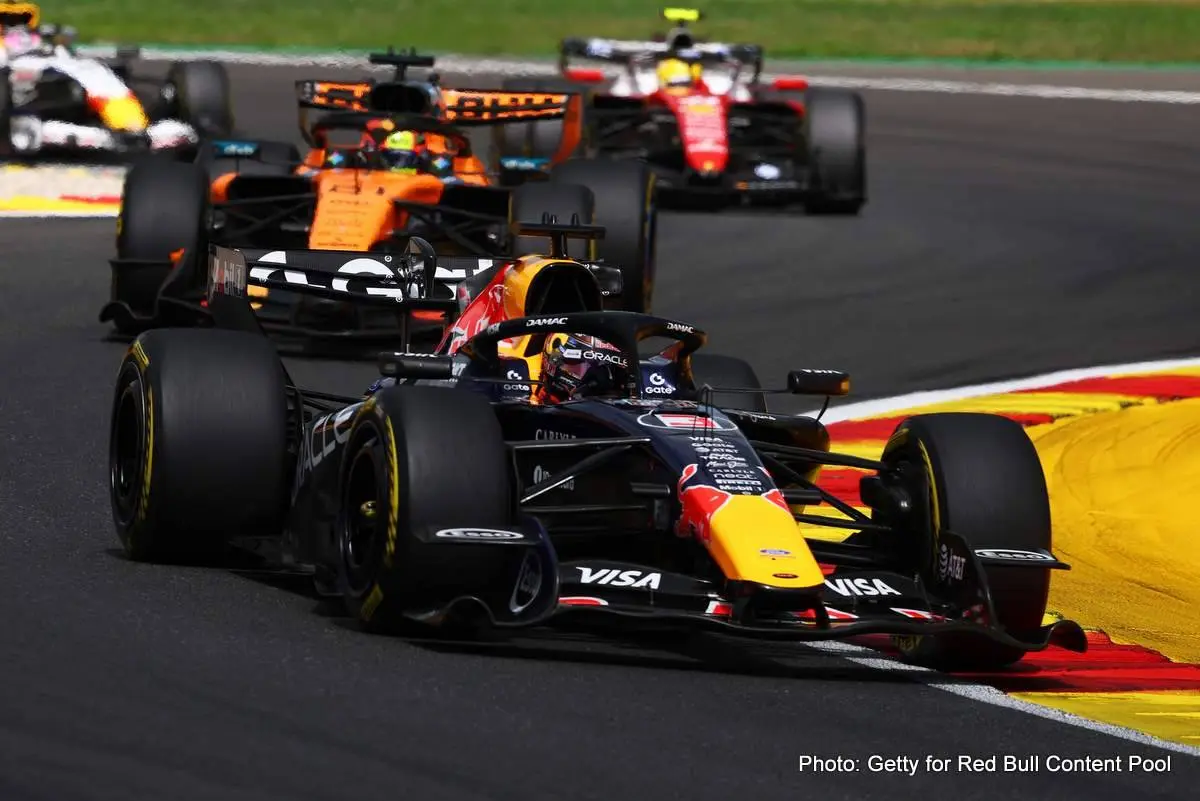
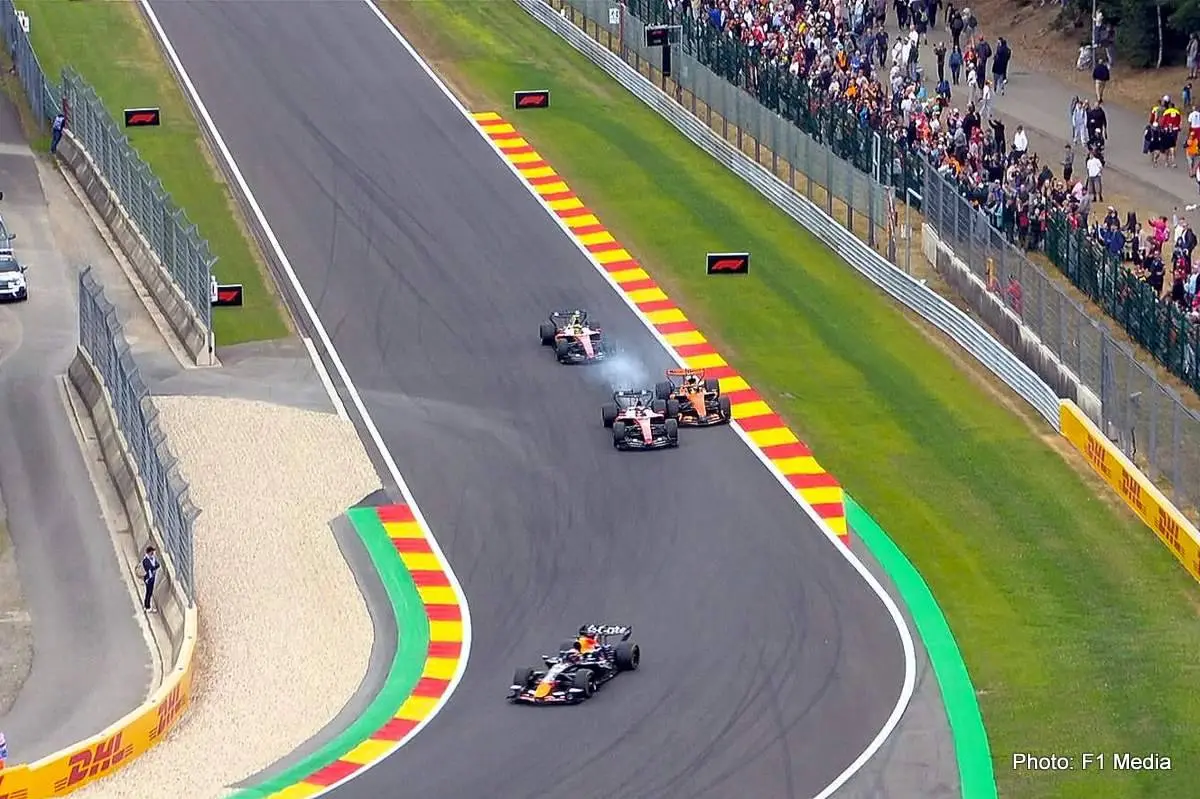
AWS Battle Forecast is a machine learning system that is built to tame this chaos. Using track history and projected driver pace, Battle Forecast predicts and displays in real-time how many laps before a chasing car reaches "striking distance" of the car it's trying to overtake.
A whole picture of all the mathematical variables

It is a sort of highly advanced educated guesswork, identifying minute patterns among the aforementioned variables that even a seasoned pit wall strategist may occasionally miss.
You might even say that it can piece together every bit of a driver’s pure instinct, transforming it into measurable trends in braking points, cornering speed adjustments, among other things.
It is like realizing structure within what appeared to be chaos. A driver's "gut feeling" they think an opportunity to overtake arrives usually correlates with dozens of micro-measurements: time differentials, tire degradation, zone positioning, the whole shebang.
In effect, it creates a whole picture of all the mathematical variables, making it technically distinct from simply predicting individual split-second decisions.
So what does “striking distance” actually mean in racing terms, according to Battle Forecast? F1 and AWS data scientists had to reverse-engineer decades of pit wall wisdom into something an algorithm could understand.
First, Amazon SageMaker's machine learning algorithms were trained using 65 years of historical race data stored in Amazon S3. Next, translating veteran strategist intuition into training data, although this one required a fundamental shift in thinking.
How to Teach Computers Racing ‘Gut Feelings’

But, as hinted at earlier, traditional racing insights do not translate easily to quantified data. The AWS team had to convert these “hunches” into measurable variables. You can’t just predict when cars will get physically close as if it’s a high-school math problem. They had to model the complex interplay of grip, energy deployment, and slipstream positioning that creates overtaking windows.
To this end, the research team used XGBoost algorithms to analyze thousands of historical battles to identify the combinations of factors that consistently led to successful overtakes (versus failed attempts). Eventually, the system began recognizing the smallest signs of approaching striking distance before even the drivers fully realized it consciously themselves.
Much of Battle Forecast’s accuracy comes from a reinforcement loop where telemetry refines the model, the model nudges strategy, strategy produces fresh telemetry. That cycle isn’t unique to motorsport; the same closed-feedback design underpins consumer AI products as diverse as a virtual gf chatbot that fine-tunes its responses with every message you type.
In both cases the system ingests real-time signals, updates an internal state vector, and serves a prediction—overtake window or affectionate reply—that immediately influences the user’s next action.
Racing engineers call that “adaptive modelling,” but the underlying lesson is universal: when an AI can learn continuously from live interaction, its value compounds every lap — or every text.
Milliseconds from Sensor to Screen

In order to fulfill the aforementioned quantification requirements, every F1 car now carries over 300 sensors. This then generates 1.1 million data points per second, creating a massive real-time data stream that would overwhelm traditional computing approaches.
AWS built a serverless architecture specifically designed to process this tsunami of telemetry and deliver predictions faster than commentators can react.
When sensor data is captured at the track, it flows through F1's infrastructure before hitting AWS cloud services as HTTP calls. Amazon API Gateway then acts as the entry point, routing data to Lambda functions that implement the core race logic.
When the system receives incoming telemetry, it updates the race state stored in DynamoDB, tracking everything from position changes to tire compound strategies across all twenty cars simultaneously.
After each state update, the Lambda function determines whether current conditions warrant a Battle Forecast calculation. If a green signal is lit, it loads the pre-trained XGBoost model and runs the “virtual hunches” using the combined historical and real-time data.
This entire process, from sensor reading to broadcast-ready prediction, must be completed in under 500 milliseconds. If not, maintaining the real-time experience of modern-day F1 broadcasting would have been possible.
How These Predictions Change the Race

Practically speaking, these predictions themselves are now influencing the strategic decisions. Modern F1 teams don't just use AWS insights for broadcast entertainment.
These algorithmic assessments are now essentially the bread and butter of their actual pit wall strategies, which creates a feedback loop between generating new veteran data and generating more advanced assessments.
This recursive strategy became evident during Hamilton's famous undercut scenarios, particularly at the Australian Grand Prix at the official start of the 2019 F1 season. The strategists could see AWS predictions about post-pitstop gaps and overtake probabilities in real-time.
Today, teams now consider algorithmic striking distance calculations alongside their traditional strategic models. Every bit of additional insight counts, especially if the margins are calculated in the tenths of seconds.
Amazingly, the system remains highly accurate even if risks in judgment and fed data could introduce negative data within the loop. Rather than destroying prediction accuracy, the feedback loop seems to have created a new equilibrium where algorithmic insights and human decision-making have learned to coexist and inform each other.
The machine doesn't replace; it is simply there to quantify and amplify. A hybrid intelligence whose ultimate fate now lies within the future of this long-term form of human entertainment.
Latest News
Loading