AI Avatars in Social Media: Are Digital Personas Replacing Us?
F1 NewsWednesday, 12 February 2025 at 01:13
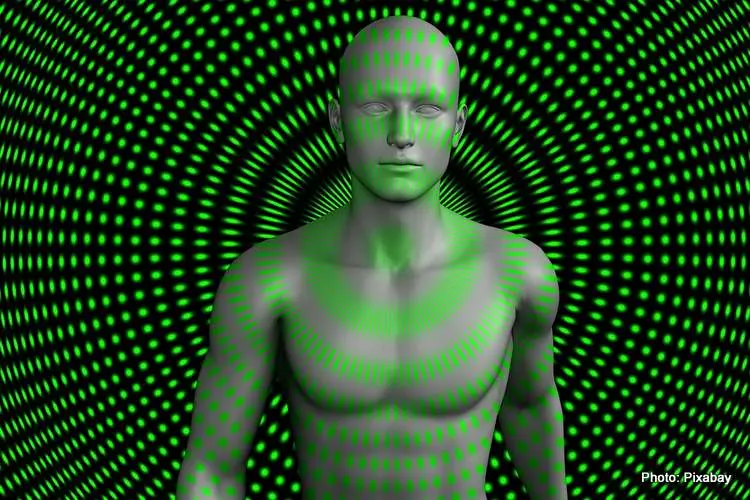
Nowadays, many influencers worldwide use AI avatars. Even those in the casino industry promoting sites like xon.bet do not use their real faces anymore. Are AI avatars replacing humans now? What are their implications?
AI Avatars are on the rise for a lot of reasons. Some are downright sinister, while other reasons are understandable. Here are some of them:
- Fraud and Mischief – some creators use AI avatars because their content is sensitive. They do not want to be exposed. Some of the content is downright illegal or extremely offensive.
- Introverts – some people do not like being on camera. They have a lot to share, but they just do not possess the skills to be convincing enough when talking to the public. They have great ideas, but these ideas would fall flat if they used their real faces and voices.
- Consistency – some celebrities use AI avatars for consistency. In addition to this, the AI avatar can do all the work, and the celebrity no longer has to shoot videos.
As you can see, not all AI avatar users have a mischievous purpose. They are less time-consuming and are easy to modify. Just imagine this: you do not have to do your hair and make-up. With only a few clicks, you can change your avatar's hair color, make-up, clothing, etc.
With ease of modification comes cost savings. In traditional production, you have to spend money on make-up, clothing, and salary of your personal. You also have to spend money on cameras, rigging, props, etc. With AI avatars, there is no need for all of these.
At the end of the day, money talks. And this kind of digital representation reduces financial expenses. The only risk here is that fans can be alienated. As you know, many of these avatars look inauthentic, and fans may not like it.
The Dangers of AI Avatar

The dislike comes from one thing: fakery. These faces are inauthentic. They are robots, and people do not like interacting with machines. This is so true on social media. Platforms like Facebook and Instagram are supposed to bridge people together.
People want to see authenticity, which is something an AI avatar can never provide. Accountability is another thing that people fear. If this content misinforms or commits libel, who is accountable? Can we even trace it to a real person? Worst, there are malicious people out there who would create an avatar of real people. Then, they would make this avatar say things that did not happen in real life.
The problem with this is that most people are gullible. If done right, the video of this AI avatar would look believable. It can wreak havoc on the lives of people. Some individuals may even take criminal action, all because they thought the video of the AI avatar was real.
The damage is palpable. In a time like this where haters have a means to be anonymous, these generated representations are in a position to do damage. All it takes is an evil mind to start chaos.
There will come a time when people will no longer mind AI avatars. Today, we see a pushback from the public. A lot of viewers frown on them, they do not support content of this kind because it is inauthentic. Yet, some are not bothered by it.
Soon, they will become the new norm, and we will see an influx of these in social media more than we see here – only time will tell! This is a special report for our F1 readers intersted in A1 Avatars.
Latest News





Loading