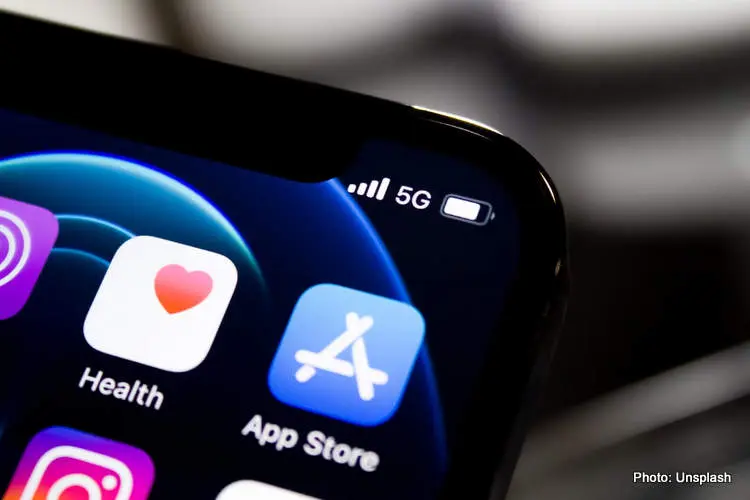
When the iPhone 3G was released on July 11, 2008, many considered it revolutionary. When many think of the original smartphone, it's the iPhone that comes to mind.
It was 3G that it possible for users to browse the web on their phones at speeds much faster than many had ever dreamed of; the App Store was also included. Almost two decades later, most recognize how groundbreaking the iPhone was but the speeds just aren't fast enough to keep up with today's technology. That's why 5G is so important. 5G is the fifth generation of mobile networks and is light years ahead of its immediate predecessors, 4G and LTE.
With 5G, users can browse the internet and download content at much faster speeds, and its lower latency means smoother streaming and faster response times in online gaming. For remote workers, the technology lets them make video calls with virtually no delay. Just like 3G promised to change the world in 2008, in 2024, 5G is doing the same. In this article, we take a look at how 5G technology is changing how we communicate and connect.
Improved Online Gaming Experience

Smartphones brought gaming to the masses and turned it into a global social experience. However, for many years, the technology kept gamers from playing titles that required high-speed connections and low latency, which led to frustrated players who had to deal with lags in their gameplay. While basic games performed well, many gamers turned to PCs and consoles for serious gaming. For many years, players just accepted that was the way things were. If they wanted to have the best chance of success at a multiplayer game, it was better to use a wired connection than roll the dice with their mobile data.
With 5G, all that's beginning to change as the technology has addressed two issues critical to gaming: speed and latency. Online casinos are one example of virtual games that have benefited from the increased speeds and loading times that 5G technology offers.
While games on virtual platforms like PokerStars Casino don't require the same amount of power as console games when spinning the virtual reels on mobile devices, buffering and lag can slow down the gameplay. But 5G has changed all of that. Whether they're playing a themed slot or their favorite table game, 5G lets players connect and experience fast load times and smoother gameplay.
The same goes for massively multiplayer online games like Fortnite, World of Warcraft, and PUBG Mobile, where 5G has made real-time interactions smoother, improved matchmaking, and reduced lag. 5G can do this because it allows data to be transmitted almost instantaneously, and anyone who plays these fast-paced online games knows that even a millisecond delay can make the difference between losing and success.
As 5G technology becomes more common, we can expect our mobile devices to be able to handle even more complex and graphically intensive games. You might not even need a console because you'll be able to play console-quality games on your smartphone.
Transforming Sports Broadcasting and Fan Engagement

If you're a sports fan, you'll also notice that 5G's increased speeds are having a positive impact on sports broadcasting, with the potential to change how you experience live events. One of the most-watched sports is racing, and the Triple Crown of Motorsport, which includes the Indianapolis 500, the 24 Hours of Le Mans, and the Monaco Grand Prix, is something all elite drivers dream of, but very few achieve.
Thanks to 5G, fans can stream these events live with minimal buffering thanks to the high speed and low latency capabilities of 5G. At the same time, broadcasters can deliver ultra-high-definition streams, including 360-degree videos, knowing their viewers' devices can handle it.
5G is helping to make the viewing experience more immersive and interactive, with fans able to view statistics in real time, along with instant replays and multi-angle views as the events unfold. With augmented reality and virtual reality becoming more common in sports broadcasting, 5G is helping make it possible for fans to enjoy these technologies, whether they're in the stadium or watching on their smartphones at home.
Latest News








Loading