HD ProParts: Critical truck components inspection and maintenance
F1 NewsFriday, 28 March 2025 at 02:37
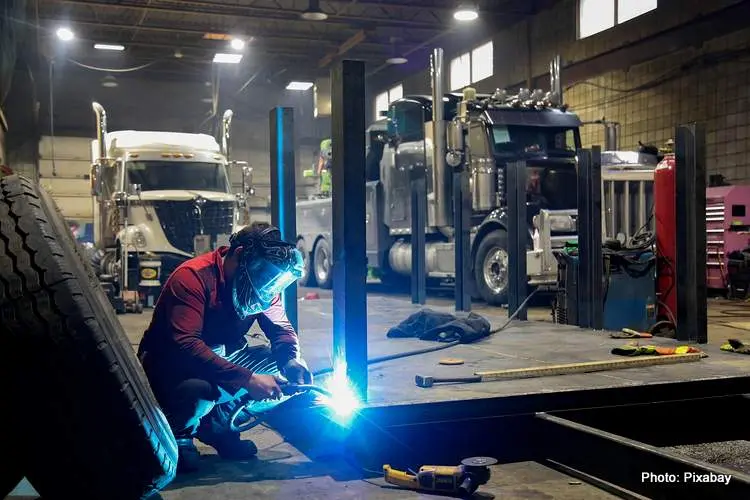
A truck is a complex machine that depends on the condition of its engine and exhaust system, thus important to keep in tip-top shape for safety and cost-effectiveness
Regular maintenance and the purchase of new components from the truck parts shop can extend the service life of the vehicle, minimize the risk of unexpected breakdowns and reduce repair costs. This is a sepcial report for our Formula 1 readers and F1 fans interested in trucking.
The importance of checking oil and coolant levels
Why regular monitoring is so important:
- Low oil level leads to engine overheating and accelerated wear of parts.
- Contaminated oil loses its properties, which reduces lubrication efficiency and increases the risk of piston group failure.
- Lack of antifreeze can cause overheating, which can lead to cylinder head failure or gasket failure.
It is recommended to check oil and antifreeze levels before each trip, and use quality filters and fluids that meet the truck manufacturer's requirements.
Maintaining turbocharger and fuel system serviceability
How to extend the life of a turbocharger:
- Use quality oil as it provides lubrication and cooling for the turbine.
- Avoid switching off the engine abruptly after driving - this allows the turbine to cool down gradually.
- Regularly check connections and intercooler for air leaks.
It is equally important to monitor the condition of the fuel system. Clogged injectors or damage to the fuel pump (high-pressure fuel pump) leads to increased fuel consumption, reduced power and unstable engine operation.
To avoid problems, it is recommended that you:
- Use quality diesel fuel with minimum sulfur content.
- Periodically change fuel filters to prevent contaminants from entering the system.
- Check nozzle operation and clean or replace if necessary.
Cleaning and replacement of DPF filters, NOx sensors and EGR systems
Which components require special attention?
- DPF (Particulate Filter) - traps soot deposits and prevents them from being released into the atmosphere. A clogged DPF leads to loss of power, increased fuel consumption and engine overheating. Cleaning and regeneration of the filter should be performed according to the schedule recommended by the manufacturer.
- NOx sensors - monitor the level of nitrogen oxide emissions. Their malfunction causes SCR (Selective Catalytic Reduction) system errors and results in power limitation of the truck. Regular diagnostics can detect problems in good time.
- EGR (Exhaust Gas Recirculation) - reduces NOx emissions, but is susceptible to fouling and clogging. A clogged EGR valve can cause erratic engine performance, loss of power and increased fuel consumption.
To avoid breakdowns and costly repairs, it is important to clean on time and buy new ones from truck parts shop, as well as use quality fuel and engine oils that reduce the formation of deposits.
Checking the condition of brake pads, discs and drums
Pads and discs (or drums) are the basic elements that bring a truck to a stop. Wear and tear is inevitable, especially when braking frequently, driving with a load and operating in difficult conditions.
What signs indicate the need for inspection and replacement:
- Increased braking distance length - worn pads lose their effectiveness in adhering to the discs or drums.
- Extraneous braking sounds such as grinding or squealing indicate wear of the friction layer.
- Vibrations and runout - occur when discs are deformed or drums are unevenly worn.
- Uneven braking - may be due to brake jamming or uneven pad wear.
The importance of ABS modules and sensors for safety
Modern trucks are equipped with anti-lock brakes (ABS) to prevent the wheels from locking up during hard braking. ABS modules and sensors play a crucial role in maintaining control of the vehicle, especially on wet, slippery and loose surfaces.
How ABS improves safety:
- Reduces the risk of skidding - helps maintain control during emergency braking.
- Reduces tire stress - reduces uneven tread wear.
- Optimizes the distribution of braking force between the truck axles.
Which ABS components require monitoring
- ABS module - responsible for processing sensor data and controlling the braking system. Its malfunction can lead to ABS failure and increased braking distance.
- Wheel speed sensors - record wheel speed. Dirt, corrosion or mechanical damage may cause incorrect data and ABS malfunctions.
- ABS hydraulic unit - regulates the pressure in the brake lines, preventing the wheels from locking up.
Steering and suspension
The steering system and suspension system are vital to the stability of the truck's handling. These components are subjected to constant stress, especially when driving on rough roads, carrying heavy loads and operating in difficult weather conditions. Regular diagnostics and purchasing new ones from the truck parts shop help to minimize the risk of accidents and extend the service life of the vehicle.
Checking the condition of steering rods and shock absorbers
What signs indicate that the steering rods need to be checked:
- Steering looseness - steering response becomes laggy, reducing steering accuracy.
- Knocking or vibrations when turning - joints or connecting elements may be worn.
- Uneven tire wear - indicates improper wheel alignment angles.
When to check your shock absorbers:
- The truck sways after hitting a bump.
- Oil marks on the shock absorber body - possible fluid leakage.
- The vehicle rolls when cornering - indicates reduced damping effectiveness.
Recommended:
- Replace shock absorbers every 50,000-70,000 miles depending on operating conditions.
- Check struts for leaks and no oil leaks.
- Take into account the truck's load - overloading negatively affects the performance of the shock absorbers.
Bearing and ball bearing wear monitoring
Hub bearings ensure smooth wheel rotation and even load distribution. Their malfunction can lead to overheating, vibrations and even wheel jamming.
Signs of bearing wear:
- A rumbling or grinding noise when driving - especially when cornering.
- Wheel play - If the wheel has horizontal or vertical play, this is a signal to replace the bearing.
- Overheating of the hub - indicates excessive friction within the bearing.
Signs of ball bearing failure:
- Knocking and squeaking in the front suspension.
- Uneven wear on the front tires.
- Looseness when turning the steering wheel or making sudden maneuvers.
Importance of air suspension and leaf spring maintenance
Trucks often use air suspension or leaf springs for even load distribution and comfort when transporting cargo. Failure of these components can result in loss of steering control, impaired shock absorption, and even damage to the truck frame.
What problems can occur with an air suspension:
- Loss of air cylinder pressure - indicates an air leak.
- Uneven body height - may be caused by malfunctioning control valves.
- Suspension stiffness - the compressor or air dryer may not be working properly.
The leaf spring suspension requires:
- Regular inspection of spring plates for cracks and deformations.
- Check the condition of the bushings and fasteners - loose bolts can lead to uneven load distribution.
- Lubrication and maintenance - dry or rusty springs wear out faster.
Electrical equipment and power supply systems
Modern trucks are equipped with complex electrical and fuel systems that ensure reliable engine starting, stable operation of on-board systems and economical operation. Regular maintenance and the purchase of new electrical and fuel systems from the truck parts shop can help avoid unexpected breakdowns, increase the service life of components and reduce repair costs.
Checking batteries, alternators and starters
When it is necessary to check the battery:
- Reduced power when starting the engine, especially in cold weather.
- Uneven or slow starter rotation.
- Oxidation of terminals or electrolyte leaks.
How to determine if the alternator is malfunctioning
The alternator charges the battery and supplies power to all electrical systems while the engine is running. Failure of this component can result in battery drain, lighting malfunctions and even engine stoppage.
Signs of alternator malfunction:
- The headlights and dashboard glow dimly.
- Warning light on the dashboard.
- Extraneous noises from the generator or a burning odor.
Signs of starter wear:
- The engine does not start the first time.
- Loud clicking or grinding when starting.
- Overheating of the starter after several attempts to start.
The role of the fuel system and injectors in smooth engine operation
The fuel system provides a continuous supply of diesel fuel to the engine, and the quality of injection affects power, fuel consumption and emissions. Faults in this system can lead to loss of power, increased fuel consumption and increased wear on engine components.
What problems might arise:
- Clogged fuel filter - reduces fuel pressure and causes engine malfunctions.
- Worn injectors - leads to uneven injection and loss of power.
- Fuel pump malfunction - can cause engine starting problems.
Signs of injector malfunction:
- Loss of power and unstable idling.
- Increased fuel consumption.
- Smoke exhaust and the smell of unburned fuel.
HD ProParts insists that regular diagnostics and replacement of worn components will avoid major breakdowns, reduce operating costs and increase truck reliability.
Latest News










Loading