
Formula 1 is a high-tech sport where innovation rules the track, not just fast cars. The emergence of cryptocurrencies recently has accelerated development outside of finance.
F1 is adopting cryptocurrency to drive competition and participation through everything from team sponsorships to blockchain-powered analytics.
Could this be the next significant change in the sport's history? Let's examine the internals. More Information here if you are looking for a website that connects you to investment education firms that can help you along your investment journey.
Tokenizing Achievement: The Contribution of Crypto Sponsorships to F1 Team Development
Formula 1 has always benefited from partnerships, but the sport is moving into new frontiers thanks to cryptocurrency sponsorships. These days, cryptocurrency companies sponsor F1 teams, bringing with them not just cash but also technological innovation to the racetrack.
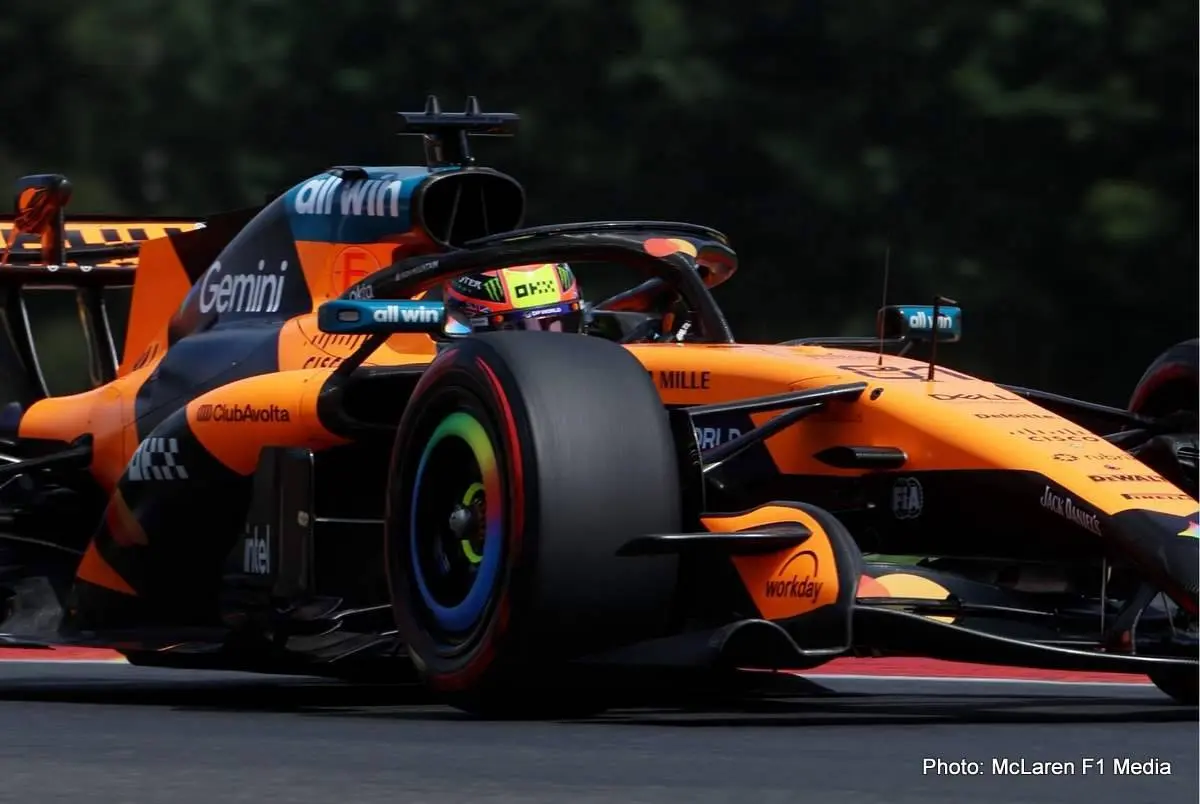
Perhaps you have noticed cryptocurrency company logos on Formula One vehicles or driver suits. More than just a catchy logo, these sponsorships are changing the financial landscape of clubs.
Crypto-backed transactions give teams access to decentralized fundraising, making raising money simpler without being constrained by conventional banking regulations. This creates an opportunity for smaller teams who might struggle and need help getting significant sponsors.
Furthermore, some teams also take cryptocurrency payments, which offers another degree of financial flexibility. Fans gain from this collaboration as well. In addition to developing a stronger bond with the sport, they can invest in fan tokens or NFTs associated with their preferred teams.
The actual deal is this: Formula 1 is reaching a whole new audience thanks to cryptocurrency sponsorships: younger, tech-savvy investors excited about the digital revolution. These collaborations may contribute to F1's long-term viability and establish the company as a leader in both sports and finance.
Pitlane Blockchain: Boosting Team Performance and Efficacy
Although blockchain may seem like a gimmick, F1 teams are starting to employ it extensively in their operations. Consider how difficult it must be to manage an F1 team with thousands of parts, dozens of suppliers, and frequent back-and-forth transfers of vital data. Imagine now if blockchain simplifies all of it. This is not theory; it is actuality at this very moment. Teams are using blockchain to track parts, handle logistics, and make sure that every screw and bolt is there.
Why is blockchain so helpful in this situation? It resembles an untruthful computerized ledger. Every transaction and every movement of products is transparently and impenetrably documented. This is essential in sports like these, where accuracy is crucial. A misunderstanding or a delay in part delivery could make the difference between first and last place.
Blockchain is wider than logistics, though. Some teams are investigating ways to secure vital information, such as race tactics or car performance indicators, to prevent data breaches or leaks to rival teams. In essence, blockchain is making F1 teams faster, leaner, and more effective in both on- and off-track operations.
Using NFTs and Fan Tokens to Increase Fan Engagement in the Digital Age
If you are an F1 enthusiast, picture yourself as the proud owner of a blockchain-secured digital collectible—an authentic memorabilia nobody else has. That is the Non-Fungible Tokens' (NFTs) power.
To give fans something they've never had—ownership—F1 teams are utilizing NFTs. Fans may get closer to the action with NFTs, whether through a virtual race suit, a particular moment from a race, or even a vote in team decisions.
That's not all, though. Additionally, a few teams sell fan tokens that grant holders special rights. Token owners may be able to cast votes on team decisions, such as what livery a car would wear at the next race. This is similar to fantasy sports.
Nor is this a passing trend. F1 teams generate additional revenue sources and provide fans with an experience beyond simply watching races by incorporating cryptocurrency-based assets such as NFTs.
How awesome would it be to tell your pals that you had a say in the operations of your favorite Formula One team? It's an engagement game-changer, turning viewers from spectators into participants.
Data-Driven Choices: Analytics Powered by Crypto in Formula 1
Formula 1 is driven as much by data as by fuel. Every second on the track, an enormous amount of data is generated on the vehicle, the driver, and the track's conditions.
Teams have always examined this data, but blockchain solutions supported by cryptocurrencies are now making these analyses safer and more effective. How? Data stored on the blockchain is impervious to manipulation. Teams can, therefore, rely on the data they're studying to make quick decisions.
Consider yourself a team principal who receives data constantly during a race. It would help if you choose whether to change your tyre strategy or pit your driver.
You can make that decision more easily using blockchain-powered analytics because the data is protected and validated. Teams can also obtain this data more quickly and easily thanks to blockchain, which gives them an advantage over rivals.
Furthermore, real-time processing of this data by Bitcoin analytics systems using cutting-edge algorithms may reveal trends or insights that would have gone unnoticed by conventional techniques. Applying crypto-powered analytics may be the differentiator that sets the victors apart from the others as Formula One grows more data-dependent.
Conclusion
The impact of cryptocurrencies on Formula 1 is growing, signaling the start of a revolutionary new age for the sport. Teams use crypto to improve race-day decision-making, increase fan interaction, and streamline operations. One thing is sure: regardless of your interest in digital finance or racing, F1 and cryptocurrency are barreling into an exciting future.
Latest News




Loading