Formula 1's 2026 Engine Revolution: Things You Need To Know
F1 NewsTuesday, 05 November 2024 at 02:41
We all know that Formula 1 can be confusing and complicated, but the sport is evolving constantly. When talking about the evolution in the sport, we can’t ignore the most recent changes, namely the new power unit regulations that are projected to greatly influence the Formula 1 2026 season.
Well, this has also become a hot topic of discussion among racers as well as car manufacturers. In August 2022, the FIA (International Automobile Federation) World Motor Sports Council gave a green signal to the new regulations. As per the information stated in the new rules, we can say that it will be the most significant overhaul in the Formula 1 race as powerful electrical engines will replace older engines.
The new engines will be designed to focus more on various sustainable practices. It has impressed many race car manufacturers such as Honda and Audi. Around six manufacturers will introduce their new engines in 2026 – Red Bull, Honda, Ferrari, Audi, Alpine and Mercedes. While automakers are looking toward electrification, here are some important things you should know about the new regulations.
No More MGU-H

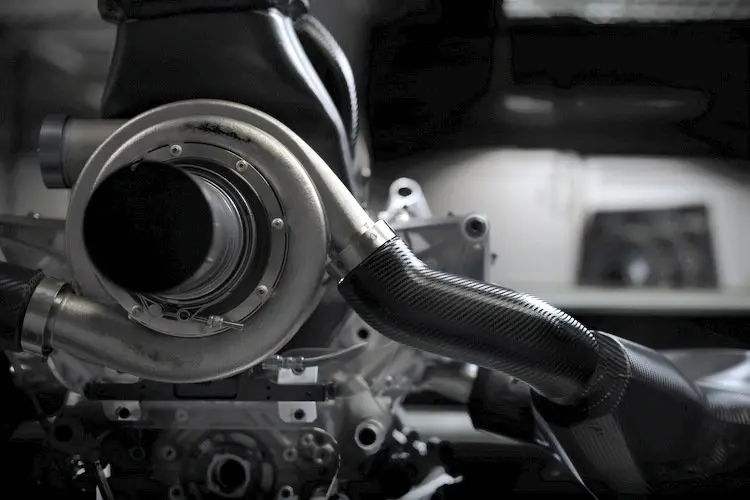
There will be no Motor Generator Unit-Heat (MGU-H) systems in the Formula 1 races from 2026. These systems utilize exhaust gas entropy to operate the turbine. Such a move is predicted to encourage car manufacturers like Audi, Porsche, and other new brands to participate in the race. These systems are not much relevant to regular road cars, and that’s why Volkswagen had been reluctant to manufacture these systems.
As per the statements given by the FIA, the new regulations will make it easier for new brands to join the race. Besides, the abolition of the MGU-H systems can also lower the advantages the existing power unit producers have. Both Porsche and Volkswagen have officially confirmed their plan to enter Formula 1. Porsche will partner with Red Bull for this.
More Focus On Sustainable Fuel

As per the new regulations, the new Formula One power systems will operate on 100 percent sustainable fuels. Formula 1 partnered with ARAMCO has successfully tested such types of fuels. This means the engine will not burn new fossil carbon and carbon will be produced using non-food sources or municipal waste.
More Powerful Engines
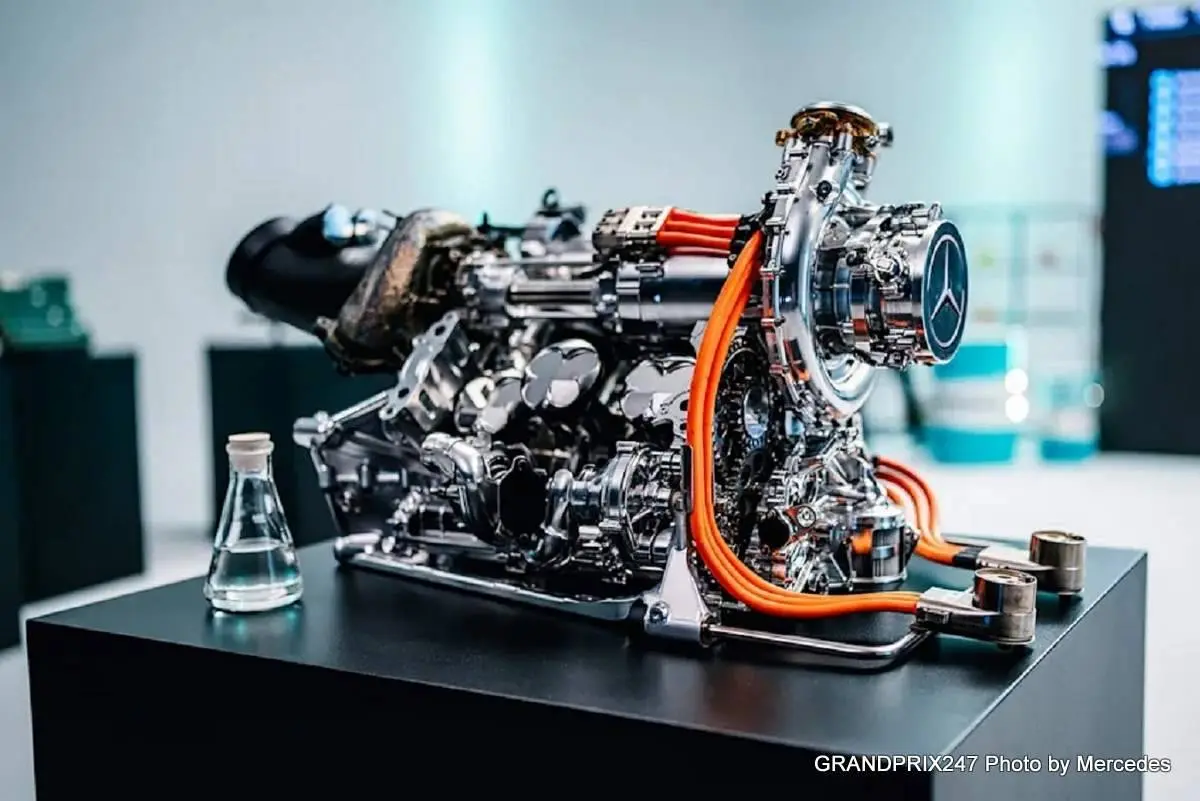
Currently racing cars have a V-6 turbocharged, 1.6-liter internal combustion engine. However, these engines are all set to evolve and from 2026, all Formula 1 racing cars will come with more powerful and high-performance electrical components.
Instead of the MGU-H, the use of the Kinetic Motor Generator Unit or MGU-K will create 3x electrical power, thanks to the hybrid components. Besides, the system will collect more braking energy, allowing systems to create around 350kW. The MGU-H systems can produce only 120kW.
More Horsepower But Less Fuel Consumption

As there will be a higher amount of electrical power, engines will burn less fuel. However, they will still produce more than 1000 horsepower. Well, due to this, engines will make the cars quite louder. In 2013, drivers were allowed to begin the race with 160kg of fuel.
In 2020, the limit went down to 100kg. From 2026, Formula 1 is planning to lower the fuel consumption to 70kg during the Grand Prix. Is it really possible? All the studies have demonstrated positive results for Formula 1.
Maximum Safety
As per the information, the new MGU-K systems will be installed within the car’s chassis, near the control electronics and battery. All the equipment that consumes high power will be placed within a highly safe cell. As a result, race cars will be safer than today’s cars.
- More Innovations with Lower Costs
The new regulations focus on engine-specific cost limits. Besides, they also have rules that have banned the use of expensive materials. Besides, car manufacturers will now focus on using standardized components. All these things can help in reducing the costs.
Experts say, new rules may constrain the dyno hours but there will be no limit to creativity. Engineers and manufacturers can now continue to produce new components and electrical systems that can help create a sustainable future. The rules say manufacturers, per season, can only use 3 power systems per Formula 1 car.
- Drivers May Face New and Tougher Challenges
Whenever the regulations change in F1, it is common to face new challenges. And in the case of the new F1 2026 regulations, the biggest issue is the removal of the existing MGU-H systems. Some experts have informed that without this system, participant teams will depend on other energy recovery systems.
Besides, it may bring back the turbo lag issue. Talking about turbo lag is the time difference between the press of the throttle and the delivery of power to the engine by the turbocharger. As there will be no MGU-H, drivers may witness a delay in the process of power delivery, especially, on corner exits. This, in turn, can make the cars quite challenging to control.
They need to come up with new techniques to manage this issue. Furthermore, they will need to think about when they should or shouldn’t use electrical energy. It can be said that the new regulations require all drivers to carefully handle energy deployment.
- Better Environmentally Responsible
Formula 1 is now more focused on lowering the waste as much as possible as they target more environmental responsibility. As per the new rules, from 2026, battery recycling will be a mandatory process. Besides, some materials like cobalt, etc., will also be recycled.
Who Are Signed Up For the New Regulations?
The new regulations will make Formula 1 cars shorter and narrower. There would be reduced drag and the chassis would be much lighter. Well, the final decisions related to cars will be officially announced in June 2024 and that will give manufacturers around; 18 to 20 months to create the best machine. Till now, Formula 1 has managed to attract two new brands. Check the below-given table for more information about the power unit manufacturers for the new regulations.
| Power Unit Manufacturers | Teams (Confirmed) | Possible Teams |
| Audi | Stake | |
| Alpine Racing | Alpine | Andretti |
| Honda Racing Corporation | Aston Martin | |
| General Motors | Andretti (after 2028 | |
| Ferrari | Ferrari | Haas F1 Team |
| Red Bull Powertrains | Alpha Tauri, Red Bull | |
| Mercedes | McLaren, Mercedes, Williams | |
| Alpine | Renault |
Conclusion
The introduction of a new power system will definitely make Formula 1 more exciting and faster than before, but it will also make it more responsible, and sustainable.
If you are a big fan of F1 racing and love online Formula One betting, then you should keep yourself updated regarding such changes. This way you can increase your chances of making informed decisions. Bookmark this site now and get all the latest updates about every Formula 1 round.
Latest News



Loading