Role of Casino Analytics in Formula 1 Driver Performance Predictions
F1 NewsThursday, 20 November 2025 at 06:57
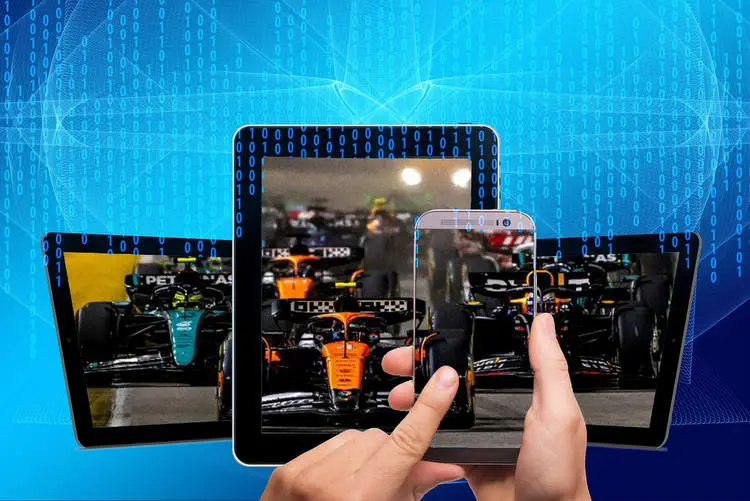
Raw numbers are everywhere in the 2025 Formula 1 season. Statistical models have taken hold of the conversation when it comes to who might secure the championship
Automated systems now update world rankings as quickly as the Formula 1 cars themselves change position on track. Pundits offer opinions, but machine-driven analyses are the ones consistently setting expectations.
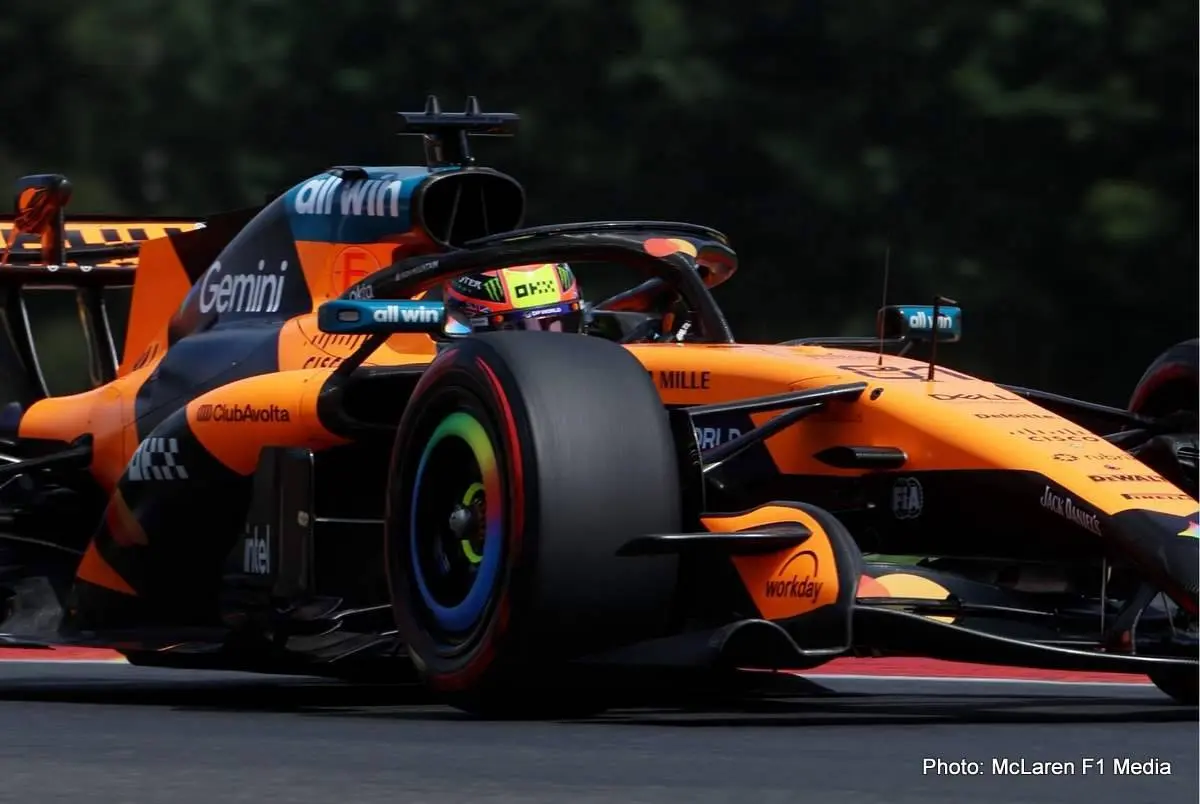
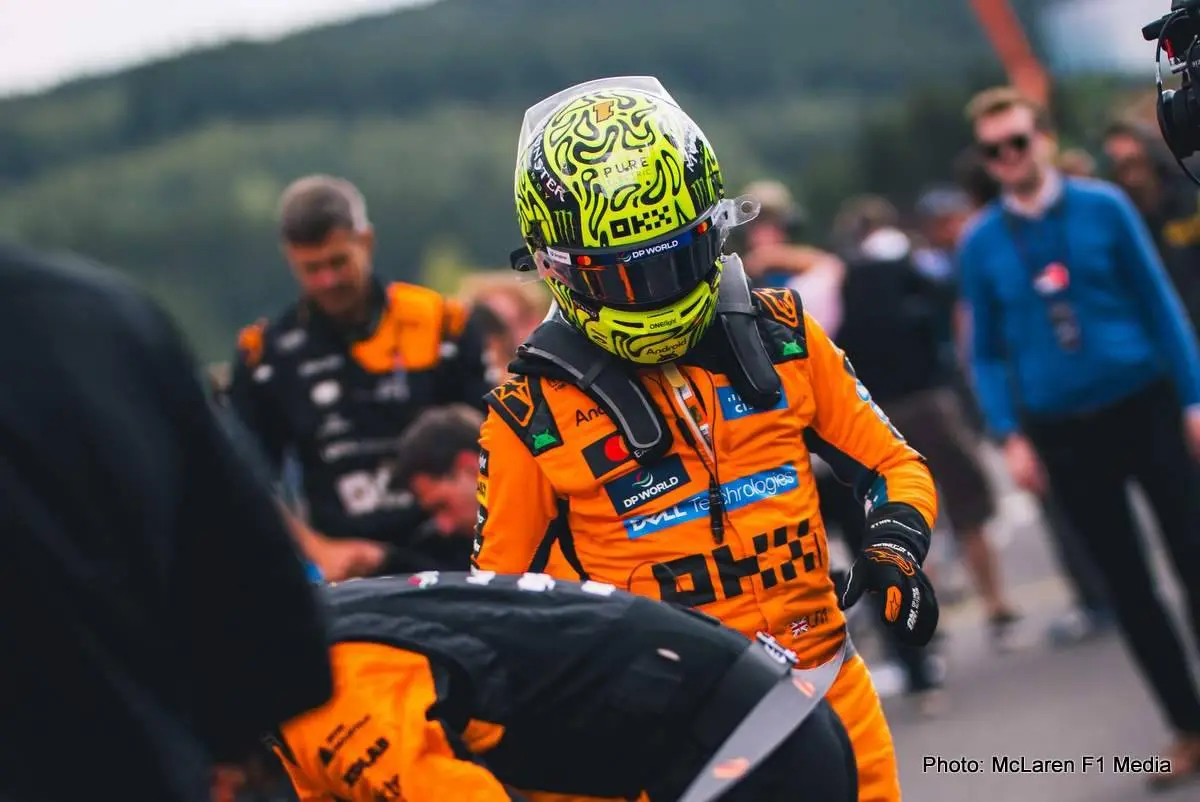
The leaderboard has grown tighter by the week, with Oscar Piastri and Lando Norris trading the top spot, separated by only a single point as the summer races draw to a close. In this kind of shootout, every lap, pit call, or technical tweak can immediately shake up projections.
Online analytics highlight these changes and recalibrate perspectives after each session. These days, it isn’t just racing knowledge, computational models heavily shape what fans and observers believe is possible for the world title hunt.
Shifting dynamics in the 2025 Fomula 1 title race

Earlier in the season, Oscar Piastri was more of an outside contender; before the lights even went out in March, his chances drifted around +1000.
Then he won four of the first six races. By midsummer, experts had shifted their support to Piastri, putting him as the new favorite with odds tightening to -165. And yet, Lando Norris would not go away quietly. Norris sits just a single point adrift, as official Formula 1 and ESPN figures confirm in August 2025.
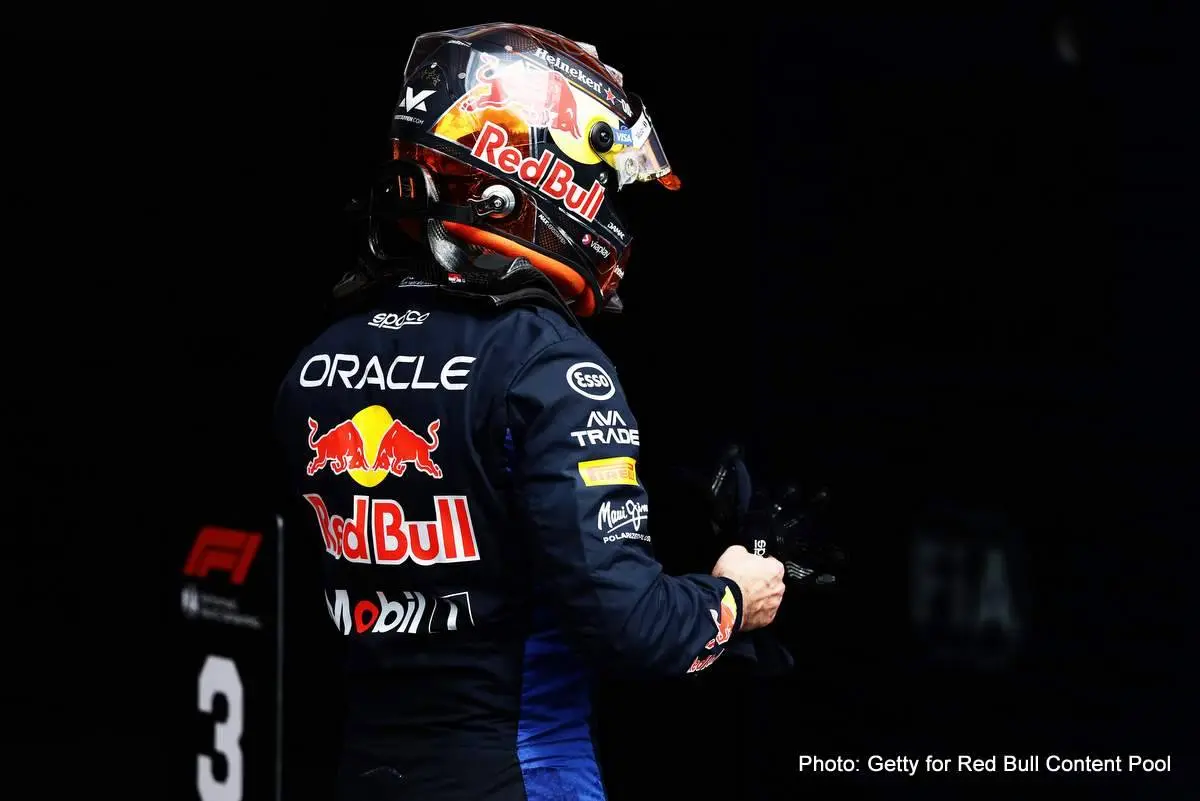
Right now, most projections lean toward Piastri, but barely. All it takes is one botched pit stop or a car issue for everything to flip. It’s the kind of uncertainty that would make even a seasoned casino bettor nervous. As for Max Verstappen, he trails by 36 points. The latest models give him under a 2 percent chance to pull off a miracle—the math and Red Bull’s inconsistent form simply don’t support his case.
George Russell technically remains in contention, but his chances are so long that most databases drop him from their models entirely. With six rounds left (four main races, two sprints), a total of 116 points hang in the balance, but data forecasters still mostly eye Piastri and Norris as the serious competitors.
The impact of casino analytics and performance modeling

Formula 1 has quietly become a proving ground for the best in predictive analytics, and not just for engineers. For online operations and advanced data scientists, Formula 1 has become a showcase of predictive power.
Modern algorithms, convolutional neural networks and ensemble learning models, analyze gigabytes of race data daily. Inputs include tire degradation, weather variability, in-session telemetry, team upgrade schedules, and even subtle changes in driver behavior from practice to qualifying.
Machine learning models adapt to every new lap time and incident, recalibrating probabilities and instantly shifting perspectives. In practice, this means forecast updates several times per session. Analytic systems now exceed human expert performance by over 30% on average evaluations.
Heat map analyses of flows identify when informed insights recognize undervalued drivers, shifting public sentiment and influencing further adjustments. Empirical evidence now shows data-driven calibration offers a consistent edge, positioning analytics as a core component of F1 forecasting in F1 projection.
What really changes the model: Metrics and influences

Analysts with a focused mindset tend to slice championship probabilities into fine detail. They break down driver performance into split-second numbers, examining qualifying pace and tricky stats like average lap time and error count.
It’s not just about the drivers: every innovation, from new winglets to race-day tweaks, gets logged and folded into forecasts. The circuit itself matters, too, as some tracks reward different driving styles and strengths.
These systems pull live data right as it happens, practice runs and even mid-session tire wear come under analysis. And weather rarely behaves for long; models now plug real-time meteorological updates directly into their calculations. Added to all of that, there’s the crowd’s role.
Flow, measured by heat maps from tracking, can hint at a surge in confidence about a dark horse, nudging perspectives further. All these influences blend to produce a living, evolving prediction model, a far cry from the old days of static tips from former drivers or single metrics.
How data is shaping decisions across the Formula 1 world

Insights from casino analytics are increasingly influencing far beyond a single slip. Teams now lean on similar predictive systems for race-day strategy, pit windows, tire strategies, even whether to risk a bold move.
Analysts and management pay attention to patterns in performance, looking for signs that drivers like Piastri or Norris consistently buck the trend or benefit from upgrades at key moments.
Real-time recalibration, one hallmark of the new data environment, makes it much harder for drivers sitting in third or fourth to stage a comeback unless fortune swings in their favor. That constant updating of probabilities quickly filters through to team decisions, sponsor contracts, and what television commentators dare to predict before the final lap.
The value of these analytical tools keeps expanding. It’s no longer only about analytics; the consequences reach into almost every corner of the Formula 1 circus.
Keeping predictive insights balanced

Greater confidence in analytics brings sharper projections, and greater responsibility too. When advanced systems paint a picture of near-certainty, there’s a temptation to believe analysis is risk-free. But every prediction, no matter how scientific, comes with downsides.
Anyone engaging with Formula 1 insights guided by algorithms or personal intuition should set strict limits, avoid compulsive moves, and treat predictions as entertainment, not certainty.
The lines between data and outcome can blur, but maintaining boundaries is essential. Predictions should stay enjoyable and manageable, never a source of anxiety. That way, fans can focus on the are increasingly influencing without letting numbers run the show.
Latest News
Loading