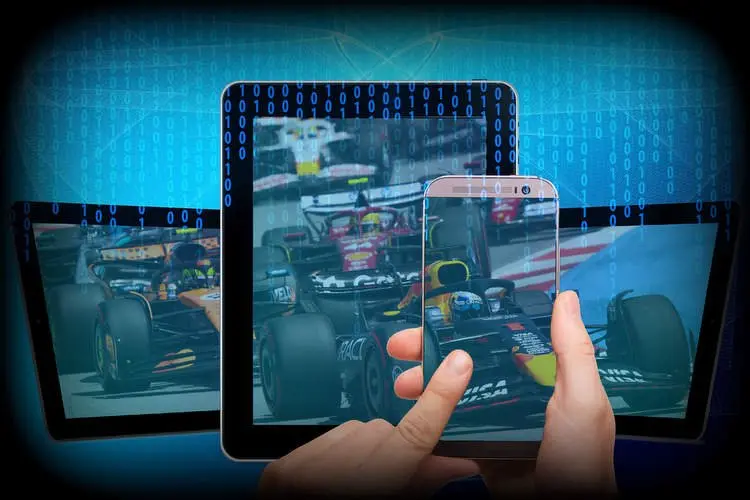
Formula 1 has always been about speed, precision, and innovation. But in recent years, the sport has entered a new phase — one defined not only by what happens on the track, but by how fans engage with racing in real time.
Digital platforms, mobile technology, and second-screen habits are reshaping the Formula 1 experience, turning race weekends into fully connected, interactive events.
Today’s Formula 1 fan is no longer just a spectator. They are an active participant in a digital ecosystem that runs parallel to the race itself.
From Trackside Action to Multi-Screen Experiences
Watching Formula 1 used to be a linear experience: lights out, race start, podium finish. Now, it’s layered. Fans follow live timing apps, onboard cameras, team radio feeds, and social media discussions — often simultaneously.
Second-screen behavior has become especially prominent during:
- Safety car periods
- Virtual Safety Car interruptions
- Strategy phases involving pit stops
- Long race stints where track position stabilizes
These moments create natural gaps in attention, encouraging fans to interact with fast, responsive digital content without stepping away from the race narrative.
The Rise of Instant Digital Interaction
Formula 1’s global audience is increasingly mobile-first. Whether watching races at home, in sports bars, or on the move, fans expect seamless access to content that complements the live broadcast.
This has led to a growing preference for digital platforms that offer:
- Immediate access without complex onboarding
- Short, engaging interactions
- High visual appeal and smooth performance
- Experiences that can be paused and resumed instantly
The same logic explains why casual, visually driven entertainment formats — similar in structure to games like Gonzo’s Quest slot — resonate with modern users. The appeal lies not in commitment, but in quick immersion and intuitive interaction, aligning perfectly with the rhythm of live racing.
Formula 1 as a Digital-First Sport
Few sports embrace technology as openly as Formula 1. Teams rely on real-time data, fans analyze telemetry, and broadcasters integrate advanced graphics into live coverage. This data-driven culture naturally extends to fan engagement.
Digital touchpoints now include:
- Live telemetry visualizations
- Interactive race predictions
- Real-time performance comparisons
- Short-form highlights during the race itself
Formula 1 isn’t just broadcast — it’s experienced, with digital engagement acting as a bridge between the fan and the sport’s technical depth.
Younger Audiences and Changing Expectations
A new generation of Formula 1 fans, introduced through streaming platforms and social media, expects more than passive viewing. They value control, personalization, and speed.
For these audiences:
- Long registration processes feel outdated
- Static content feels disconnected
- Flexibility matters more than format
Digital engagement must fit into the pace of the race, not interrupt it. Platforms that respect attention spans and timing naturally align with how Formula 1 is consumed today.
What This Means for the Future of Racing Fandom
Formula 1’s evolution into a digitally immersive sport signals a broader shift in how live events are experienced. Engagement no longer starts at lights out or ends at the chequered flag — it flows continuously across devices, platforms, and formats.
As technology continues to shape fan behavior, Formula 1 stands as a model for how sports can integrate digital interaction without losing the core thrill of competition.
Formula 1 is entering a new era — one where speed on the track is matched by speed of interaction off it. Digital engagement has become an essential part of the racing experience, allowing fans to stay connected, informed, and entertained throughout every lap.
Latest News
Loading