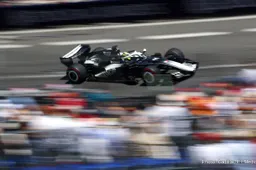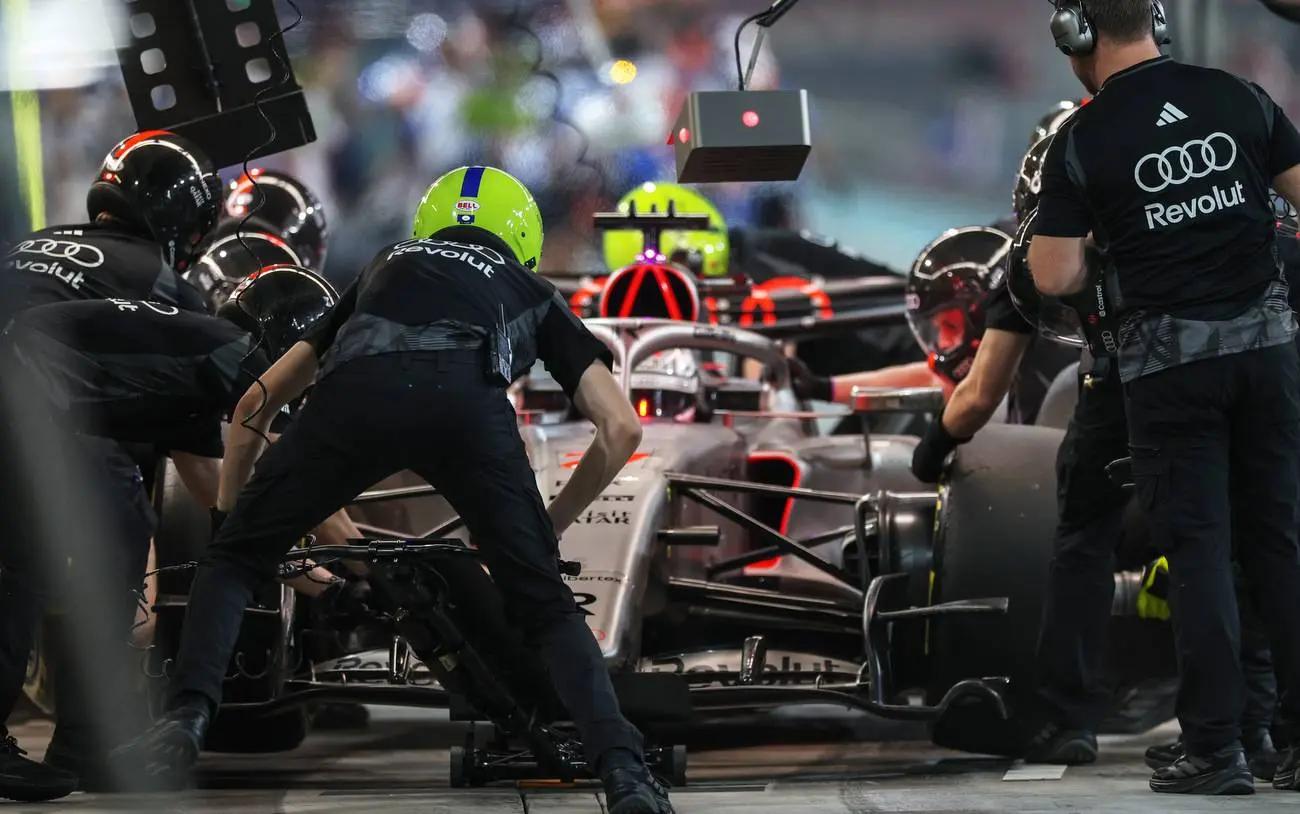
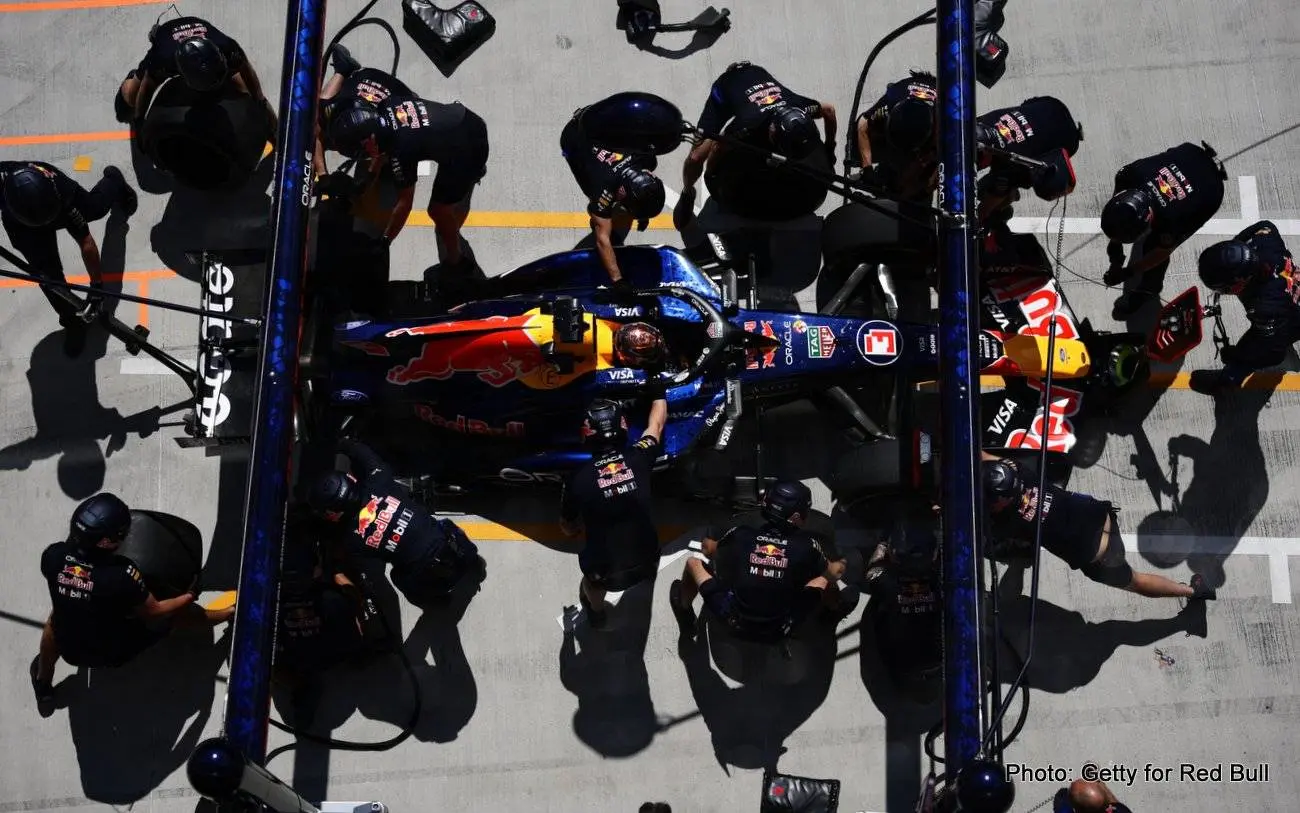
Picture this. A race strategist stares at a timing screen, headset pressed tight, jaw set. The gap is closing – fast. Around him, engineers cycle through data. Nobody speaks. And then, in that thin slice between one second and the next, he leans into the mic and says: box. Box now.
That's the moment F1 lives for. Not the podium. Not the overtake on the straight. The decision – raw, irreversible, made under conditions no spreadsheet fully prepared anyone for.
Here's the strange part, though. That exact feeling? It exists somewhere else entirely.
The psychology of high-stakes timing doesn't belong to motorsport alone. Research from the Journal of Behavioral Decision Making found that elite athletes and experienced strategic gamers activate near-identical neural patterns when processing risk under time pressure.
The brain, frankly, doesn't know the difference between a pit wall and a phone screen. Pressure is pressure. Strip away the carbon fibre and the paddock passes, and something interesting emerges.
Where F1 strategy and crash gaming share the same DNA

A crash casino game runs on what looks like a simple mechanic: a multiplier climbs, players cash out before the curve collapses. Easy enough to explain in one sentence. Genuinely difficult to master – ever. Exit too late, you lose everything. Exit too early, and you watch the multiplier climb past where you bailed, which, honestly, can feel worse.
Sound like anything familiar?
Monaco 2023. Pérez on worn tyres, six laps deeper than the data justified, banking on track position over tyre integrity. It worked – barely. Then Barcelona, same logic, different result. Not incompetence. Variance.
And here's what separates serious F1 analysts from casual fans: they understand that a correct decision can absolutely produce a wrong-looking outcome. Same principle applies in crash gaming. Same principle, same discomfort.
Red Bull's former chief strategist Hannah Schmitz put it well – F1 decision-making isn't about finding the perfect answer.
It's about making the best available call with incomplete information, inside a window that closes whether you're ready or not. That sentence could describe a crash session almost verbatim. The vocabulary is different. The cognitive load isn't.
The psychology of knowing when to stop

Uncomfortable truth incoming. Humans are, by default, wired to stay in too long. Behavioural economists call it the disposition effect – holding a position past its rational exit point because cashing out early feels, emotionally, like admitting defeat.
In trading, this costs portfolios billions. In F1, it's behind some of the sport's most spectacular late-race implosions. In crash gaming, it's the core challenge. Every single session.
Kahneman's loss aversion research – still foundational, still uncomfortable – tells us that losses register psychologically at roughly twice the intensity of equivalent gains. Which means pulling the trigger early isn't just strategically hard.
It's wired to feel wrong, even when it's right. A driver told to box on lap 34 when the tyres still feel okay knows this. Anyone watching a multiplier tick past 4x toward 6x definitely knows this.
What consistent winners share across both contexts – and this part is worth slowing down for:
- Pre-set exit thresholds – the decision made before pressure arrives, not during it
- Variance acceptance – internalising that correct process and bad outcomes can coexist
- Sequence thinking – evaluating performance across runs, not individual moments
- Late-session discipline – recognising that fatigue degrades decision quality in lap 50 and session hour two equally
- Deliberate override of instinct – especially when instinct is loudest
Speed culture and the appeal of compressed time

Lewis Hamilton said something sharp in a 2024 interview: "The lap where you feel most comfortable is often the lap where you're about to make a mistake." Overconfidence and crash curves have a complicated, costly relationship.
There's one more thread here, and it explains something specific about why F1 audiences find crash-style gaming compelling – more so, arguably, than fans of slower sports.
Formula 1 trains its audience to process compressed consequence. Three days of race weekend. Decisive moments measured in seconds. A tyre window, an undercut, a safety car that reshuffles everything – and the emotional arc of the whole thing fits inside a few minutes of real tension. The sport doesn't just entertain; it calibrates how its audience reads fast-moving situations.
Crash games operate on that same compressed timeline. Thirty seconds. The full arc – anticipation, tension, resolution – mirrors a qualifying lap more than it mirrors a slot machine. Game designers working on fast-multiplier mechanics have openly referenced motorsport psychology in how they think about pacing and pressure sequencing. That's not coincidence. It's architecture.
Pattern recognition is the edge

The communal angle matters too. F1's post-Drive to Survive expansion was partly a story about emotional accessibility – making a technically complex sport feel human. The crash gaming community has moved in a similar direction: livestreamed sessions, shared strategy, a social layer that turns something solitary into something watched, discussed, debated.
Both worlds punish impulsive exits and reward calibrated patience. Both make peace with variance difficult. And both, when everything clicks, deliver the same rare satisfaction: a high-pressure decision, executed correctly, under conditions that gave no guarantees.
Whether someone's tracking the 2026 championship or running sessions on a quiet evening, the underlying challenge doesn't change much. Read the situation honestly. Set the threshold before the pressure hits. And know – not guess, know – when the moment is actually right.
Pattern recognition. In the end, that's the edge. In both worlds, it's the only one that holds.

Latest News

Loading