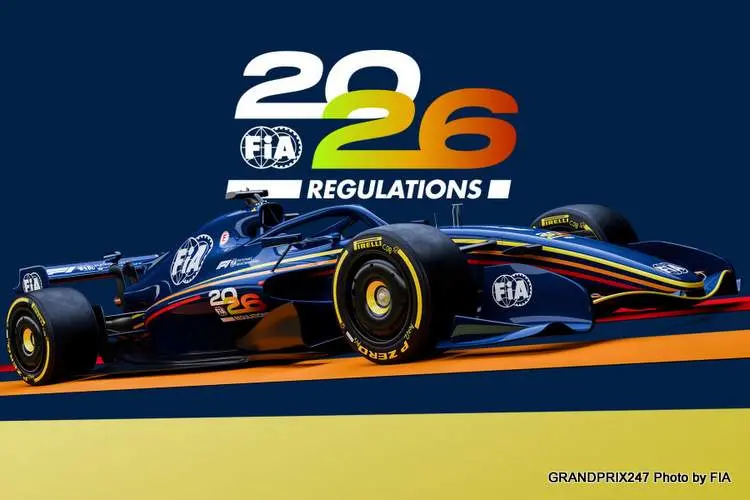
The next rules cycle is more than a tidy update. In 2026 Formula 1 will shrink the cars, cut weight and push far more electrical power through them while the same twenty plus drivers race even closer at over 300 km/h.
Fans track every upgrade and contract story because this shake-up will decide who leads the new Formula 1 era and who slips back into the midfield. Many already live in a digital world where casino sites that accept mobile payment are sorted, rated and compared before a single tap.
That same demand for trusted information now follows every technical announcement, launch render and simulator rumour. Teams understand that each diagram and quoted kilowatt instantly resets expectations.
Inside the F1 factories the tone is blunt. Engineers talk about a clean sheet for chassis and power unit design, guided by three questions that hang over every meeting: how fast, how efficient and how entertaining.
What the 2026 Formula 1 car really changes

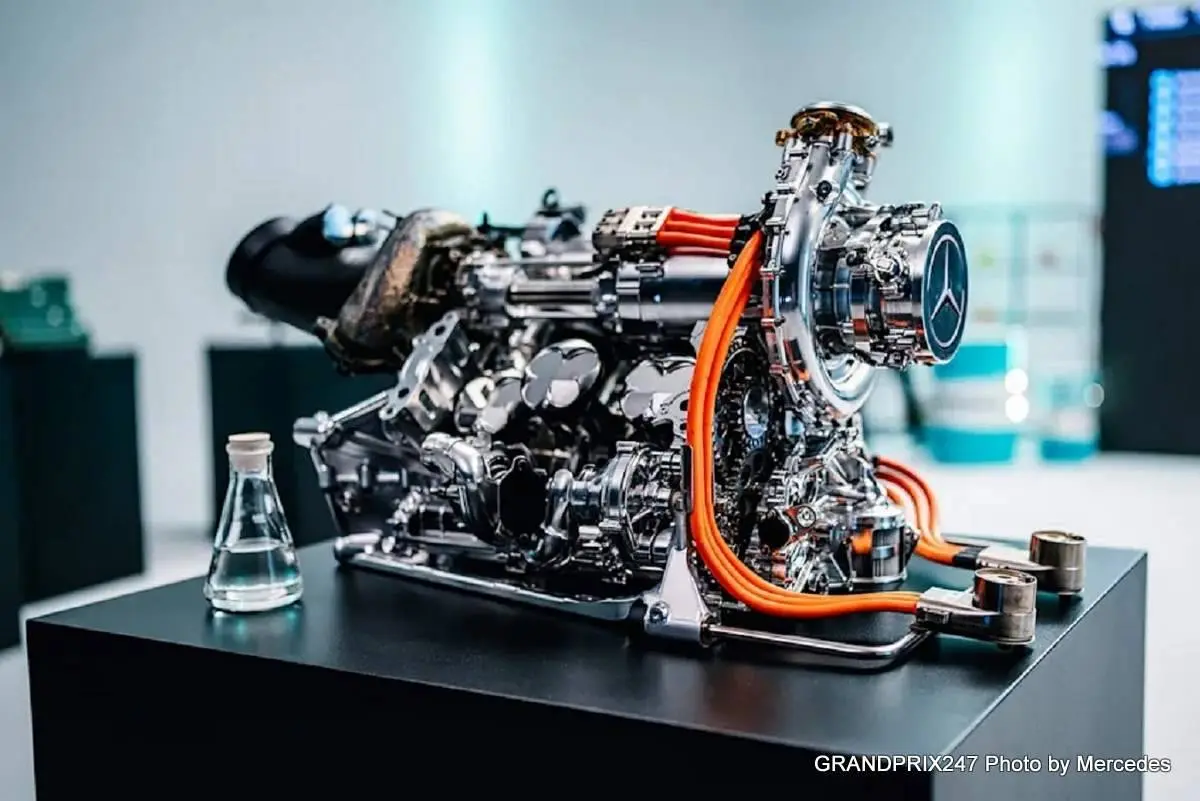
Regulators move to lighter, shorter and narrower cars with clear drag and efficiency targets. Weight drops by around 30 kilograms, downforce reduces, and the power unit shifts to roughly 50 percent electric deployment with a stronger MGU-K and no MGU-H. The 1.6 litre turbo stays, but the hybrid system becomes the headline.
All this runs on 100 percent sustainable fuel within a cost framework built to attract and retain manufacturers. Six power unit companies are already signed for the first cycle of the rules, with others watching a championship that aims for a net zero carbon profile by 2030. Power units now have to show relevance on road and track.
Formula 1 teams therefore chase packaging and aero efficiency rather than peak downforce numbers. Small sidepods, tight gearbox cases and aggressive cooling layouts return because the quickest 2026 car must combine strong hybrid power with very low drag. Wind tunnel work focuses on how cleanly the car shifts between two aero states without losing balance.
Manual Override and active aero will rewrite race craft

Drag Reduction System disappears from the new Formula 1 regulations. In its place comes Manual Override Mode, an overtake tool that releases extra electrical power when a driver runs within a set gap to a rival ahead. That push needs to be charged earlier in the lap, so energy management becomes a visible part of race craft rather than background engineering.
Active aerodynamics deepen the challenge. Each car switches between a high downforce cornering mode and a low drag straight line mode through defined zones on the lap. Drivers will juggle aero states, battery levels and tyre life while still braking at the limit into heavy stops.
In this environment software and structure become key differentiators. Early winners are likely to share three traits:
- Clear hierarchy between chassis, engine and strategy groups
- Strong trackside engineering that trusts simulation models
- Drivers fully comfortable with complex steering wheel systems
The new Formula 1 power unit war

The 2026 hybrid keeps the turbo engine but is expected to deliver around triple today’s electrical output. Energy harvesting and deployment will set qualifying modes, defensive tools and race pace rather than raw horsepower.
Big manufacturers still own huge dyno capacity, proven hybrid control software and tight works structures with several customers. One wrong call on combustion layout or cooling can still trap drag or reliability problems for seasons, and the budget cap makes recovery painfully slow.
New arrivals see the reset as open ground. Audi is turning Sauber into a full factory squad with heavy backing and a pairing of Nico Hülkenberg and Gabriel Bortoleto. Cadillac joins as an eleventh team, takes the grid to 22 cars and plans to move from customer hardware to its own unit. Haas deepens its link with Toyota, which steps up as title partner and major technical ally, lifting the smallest operation into a far stronger development ecosystem.
Why the smallest teams see 2026 as opportunity

This rule set goes further than the usual field compression promise. Limits on total energy use, wind tunnel running and CFD hours sit on top of financial controls that still cap what the wealthiest outfits can deploy each season.
Smaller teams view it as a rare shot to break long standing hierarchies. In the current ground effect era the giants still field the most polished cars and biggest engineering staffs, yet the 2026 framework should reward clean weekends, aggressive concepts and smart resource use. For many fans, offers such as mobile no deposit bonuses echo that idea of low risk exploration, turning a simple sign up into a real test of an environment before committing.
Early running of the new cars will flag who used the window best, but the real reshuffle will follow a full year of data and mistakes. Then the grid will know who truly understands hybrid race craft, who has mastered active aero and Manual Override and who misread the intent of the regulations, and the sport will gain a sharper picture of what a successful modern Grand Prix team looks like.
Latest News
Loading