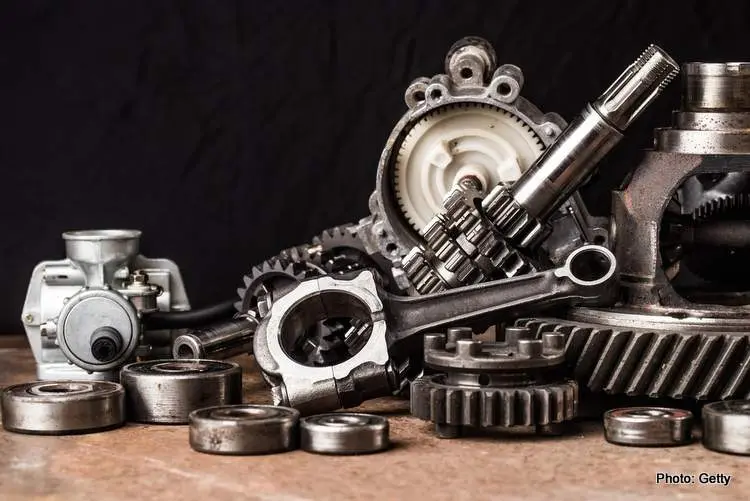
FIA's single-seater Director Nikolas Tombazis revealed the Formula 1 power unit regulations will evolve in a direction that keeps them relevant to what OEMs require.
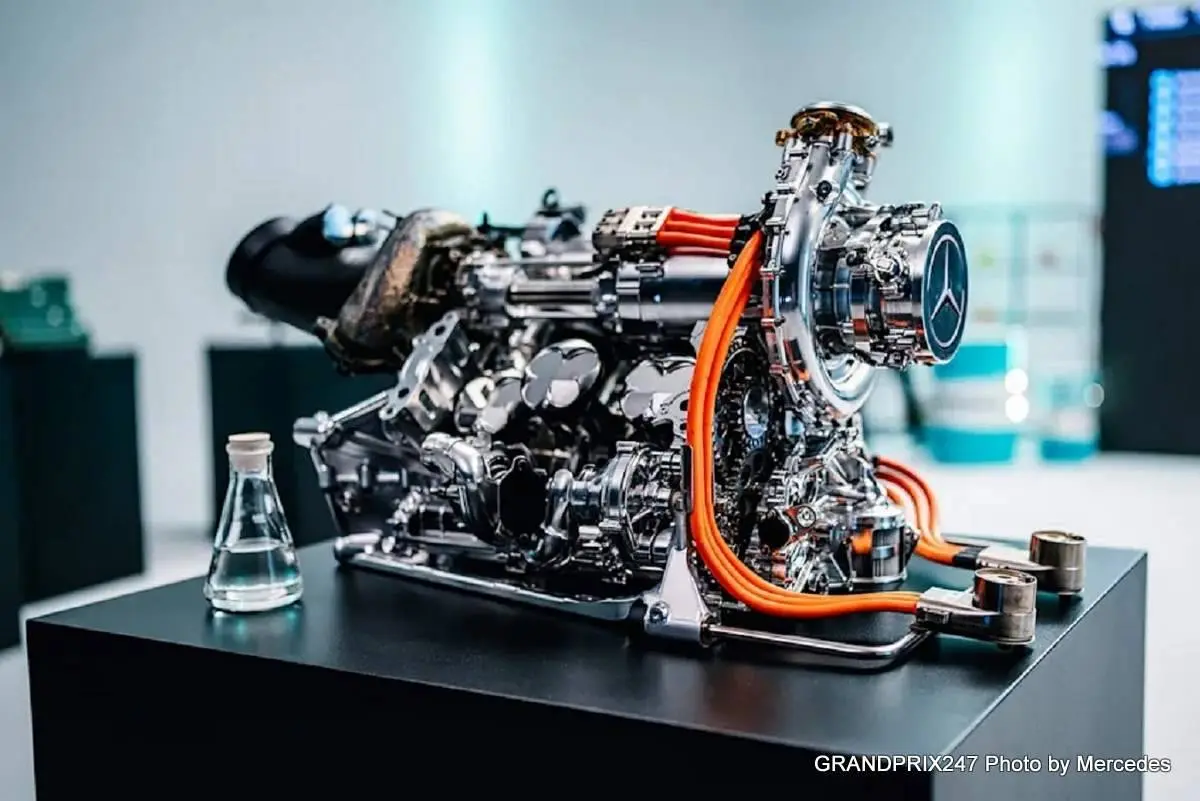
When F1 entered the hybrid era back in 2014, the power units that were designed and produced were a masterpiece of engineering and the efficiency they returned was unprecedented.
However, they were and still are too complicated, especially with the MGU-H part that was deemed as road-irrelevant, while the MGU-K technology was similar to what hybrid road cars already had.
That meant, with F1 looking to attract more car manufacturers, that the direction the sport was taking diverged from where road cars were going.
With the new 2026 power unit regulations, the MGU-H was binned and the electrical part's power contribution has been increased with synthetic fuels coming into play. That has made more sense for OEMs with VW jumping into the sport with Audi taking over Sauber.
More recently, General Motors as well have announced they will become a power unit supplier in 2028, to power the Andretti F1 team which F1 are yet to approve despite the FIA giving the green light.
F1 as well are now looking to explore hydrogen as a power (both as fuel cell or internal combustion) source working with Extreme E (it will become Extreme H in 2025), something the 24 Hours of Le Mans is planning to have in World Endurance.
Various options after 2026
No matter what the direction F1 takes in the future, Tombazis insists the sport will remain relevant to road cars, he told Motorsport.com: "The step for 2026 is defined, but what we do in the next step afterwards is still up for discussion.
"There are a lot of options still on the table; whether it is more sustainable efuels, whether it is hydrogen – in which we have quite a lot of work happening in the FIA – or whether it is more electrical.
"But we always want to remain relevant to what the OEMs that are participating want to do. We cannot go in a completely random direction that is not related to the road car.
"We need to remain road relevant, that is the key objective, and I think anyone who walks around the paddock can see there is a huge amount of challenge to tackle," he maintained.
Tombazis also pointed out that the F1 cars themselves have the smallest impact in terms of the carbon footprint of the sport, meaning there are other aspects of factors that need to be addressed.
He said: "The element of the cars themselves, as a proportion of the overall carbon footprint, is very low. I think it is less than 2% overall.
"So it's obvious that our overall responsibility for the sport needs to tackle also the other 98%, and that has to be covered with logistics, materials, numbers of components, calendars, a lot of things.
"But the car side is important from a technological point of view, in relation to the OEMs that are participating being able to work on technologies and so on," Tombazis concluded.
Big Question: Should Formula 1 remain road relevant?
Latest News




Loading

