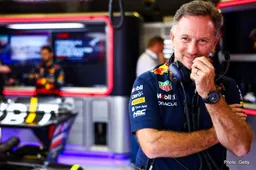
The FIA revealed they will not entertain an requests from Formula 1 teams about increasing the cars' minimum weight once it is set in the 2026 regulations.
2026 will be a big year for F1, as not only will we have new power units, but totally new cars as well, smaller cars that could also feature some automatic aero components according to the sport's tech boss Pat Symonds.
F1 cars have been gaining weight over the years and have now reached a bulky mass of 798Kg, after being somewhere in the region of 585Kg back in 2008 - without the driver that is.
The extra weight has come as the cars' dimensions increased, not to mention the safety-related gains with tougher monocoques and the Halo all contributing, while the biggest cause remains to be the heavy batteries that came along with the hybrid power units that were introduced in 2014.
Since then teams have struggled to keep their cars within the weight limits, always asking for extra weight allowance, while many teams started the 2022 "ground effect" era with cars over the the minimum weight limit, even going as far as removing paint and running exposed carbon fiber liveries in an attempt to keep the weight down.
But the teams will have a tougher time in 2026 to stick to the minimum weight that will be set by the FIA in the new regulations, as the governing body have no intent to revise the limit once it is set, which is expected to be up to 50Kg less than the current one.
FIA Single Seater Director, Nikolas Tombazis said, quoted by Motorsport.com: "Clearly it will still be a challenge for the teams to achieve that low weight.
Tombazis: There could be some teams that are a bit overweight in 2026

"They're not going to have an easy ride there," he insisted. "But we are going to stick to the weight limit we're going to impose, and we won't be inflating upwards again.
"They [the teams] will just have to push harder to reduce the weight if they can't make it," the former Ferrari engineer insisted.
But why not remove the limit and leave it for the teams to come up with the best and lightest cars they can design and manufacture.
"That has been discussed a few times, about whether we need the weight limit," Tombazis commented. "But we believe that to get rid of it completely would be creating a never-ending battle of reducing the weight.
"That could have some unforeseen consequences. So, what we're putting for 2026 will be a weight limit which afterwards will not change.
"We will not be succumbing to this continuous sort of haggling for a couple of kilos, where the teams say, ‘you've added the electrical, let's add two kilos’, or the tyres are a bit heavier, let's add another few kilos and things like that. We won't be doing that.
"Teams will have to work to that limit. And I think there could be some teams that are a bit overweight in 2026," the 55-year-old from Greece concluded.
Latest News


Loading