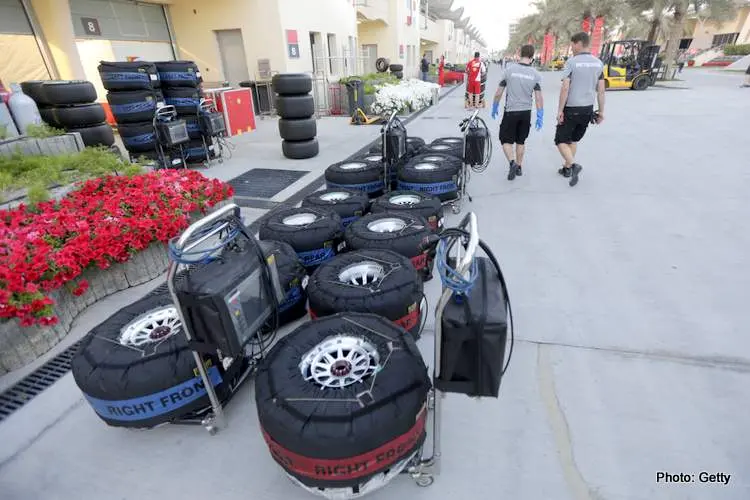
Formula 1 will postpone a contentious and much-debated ban on tyre blankets until after the 2024 season, the governing FIA confirmed at Spa-Francorchamps on Friday.
The proposed ban was aimed at reducing energy consumption and helping the sport reach environmental sustainability targets. The blankets heat slick tyres for two hours before a session to improve grip when coming out of the pitlane.
The FIA's Formula 1 Commission, which includes teams, said after a meeting at the Belgian Grand Prix that further tests would be carried out into 2025. Tests have been carried out this year, with some drivers saying more work was needed.
"We did a test recently with Pirelli and I think they've made good progress but there was a collective decision that it's not quite ready for 2024," Red Bull boss Christian Horner told Sky Sports television.
The commission agreed to explore ways of equalising engine performance between the existing four manufacturers, with development frozen since last year and Renault believed to be at a disadvantage.
"The FIA has been analysing the PU (power unit) performance of the cars during the first half of 2023, and concluded that there is one such notable performance gap between competitors," it said.
Approval was given for pre-season testing to take place outside of Europe next year, less than 10 days before the F1 season-opener, and it will be held in Bahrain from 21-23 February.
The use of tyre blankets in F1 dates back to the 1970s when teams started experimenting with different ways to heat the tires.
The idea behind using tire blankets is to maintain the tires' temperature in a controlled and consistent manner, especially in cold or unpredictable weather conditions, to improve grip and reduce the risk of accidents during the first few laps.
Before the widespread use of tire blankets, teams used various methods to warm up their tires, such as heating pads or even torches. As technology advanced, tire blankets became the preferred and standardized way to preheat tires in F1.
Latest News








Loading

